Films
2 films
About William R. Dunn
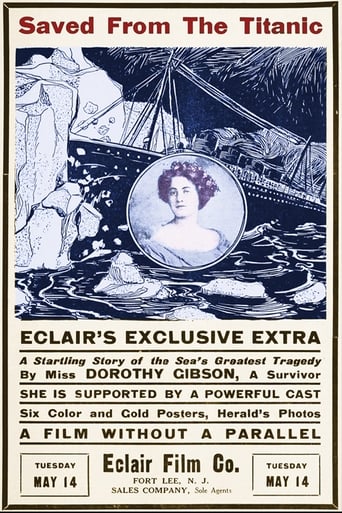
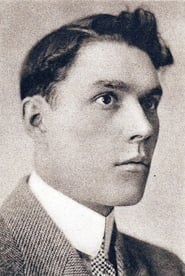
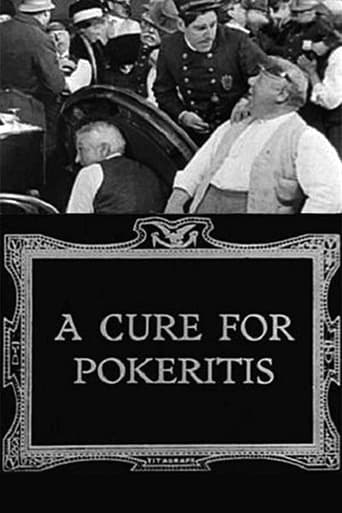
William R. Dunn appears in Saved from the Titanic (1912), A Cure for Pokeritis (1912) in this catalog. With his entire known film career confined to the year 1912. He participated in the nascent film industry during a pivotal period when motion pictures were transitioning from novelty attractions to a legitimate art form. His work in 'Saved from the Titanic' placed him in one of the earliest cinematic treatments of the famous maritime disaster, which had occurred just months before the film's release. In 'A Cure for Pokeritis,' he worked alongside the popular comedy duo of John Bunny and Flora Finch, who were major stars at Vitagraph Studios. Like many actors of this era, Dunn's career appears to have been brief, reflecting the transient nature of early film work before the establishment of the studio system. His contributions, though limited in scope, represent the grassroots development of American cinema during its formative years.
The Craft
Milestones
- Appeared in 'Saved from the Titanic' (1912), one of the earliest films about the Titanic disaster
- Acted in 'A Cure for Pokeritis' (1912) with comedy stars John Bunny and Flora Finch
- Participated in early Vitagraph Studios productions during the silent era's formative period
Best Known For
Iconic Roles
Must-See Films
Working Relationships
Worked Often With
Studios
Why They Matter
Impact on Culture
William R. Dunn's cultural impact, while modest, lies in his participation in the foundational years of American cinema. His appearance in 'Saved from the Titanic' represents the immediate cinematic response to one of the 20th century's most famous disasters, demonstrating how quickly the film industry adapted to current events. The film itself is historically significant as one of the earliest examples of disaster cinema and featured an actual Titanic survivor, Dorothy Gibson, in the lead role. Dunn's work in 'A Cure for Pokeritis' connects him to the popular BunnyFinch comedy series, which helped establish the comedy short format that would dominate early cinema. Though his individual contributions may be difficult to trace in detail, performers like Dunn formed the backbone of the emerging film industry during its crucial developmental period.
Lasting Legacy
William R. Dunn's legacy is preserved through his participation in two historically significant films from cinema's earliest days. 'Saved from the Titanic' remains a notable artifact of early filmmaking, particularly for its contemporary treatment of the disaster and its status as one of the first feature-length American films. The film is considered lost, making Dunn's performance, along with those of his co-stars, an important piece of lost cinema history. His appearance in 'A Cure for Pokeritis' connects him to the early comedy tradition that would evolve into the sophisticated film comedy of later decades. While Dunn himself did not achieve lasting fame, he represents the countless actors who contributed to cinema's development during its experimental phase, helping establish the medium that would become the dominant art form of the 20th century.
Who They Inspired
As an actor with such a brief and early career, William R. Dunn's direct influence on subsequent performers is difficult to trace. However, he was part of the generation that helped establish acting techniques for the silent screen, where exaggerated gestures and facial expressions were necessary to convey emotion without dialogue. His work with established stars like John Bunny and Flora Finch would have exposed him to professional standards during an era when acting techniques were still being developed for the camera. Like many early film actors, Dunn contributed to the evolution of screen acting from theatrical styles to more naturalistic approaches suited to cinema.
Off Screen
Very little is documented about William R. Dunn's personal life, which is typical for actors from the earliest days of cinema when comprehensive biographical records were not maintained. Like many performers from this era, he likely entered the film industry during its experimental phase and may have pursued other careers after his brief stint in motion pictures.
Did You Know?
- 'Saved from the Titanic' was released just one month after the actual Titanic disaster in April 1912
- The film 'Saved from the Titanic' starred Dorothy Gibson, an actual Titanic survivor who wore the same clothes she had worn during the disaster
- William R. Dunn's entire known film career spans only one year - 1912
- 'A Cure for Pokeritis' was part of the popular BunnyFinch comedy series that made John Bunny one of America's first film comedians
- Both films Dunn appeared in were produced by Vitagraph Studios, one of the film production companies
- Neither of Dunn's films survives today; both are considered lost films
- 1912 was a pivotal year in cinema, marking the transition from short films to feature-length productions
- The film industry in 1912 was centered primarily in New York and New Jersey, before Hollywood became the dominant production center
Frequently Asked Questions
Who was William R. Dunn?
American with credits in this catalog.' His career appears to have been brief, confined to that single year during the formative period of American cinema.
What films is William R. Dunn best known for?
Titles linked here include Saved from the Titanic (1912), A Cure for Pokeritis (1912).
When was William R. Dunn born and when did he die?
Specific birth and death dates for William R. Dunn are not documented in historical records, which is common for actors from the earliest days of cinema when comprehensive biographical information was not maintained.
What awards did William R. Dunn win?
William R. Dunn did not receive any known awards, as the major film award systems, including the Academy Awards, were not established until many years after his brief career in 1912.
What was William R. Dunn's acting style?
Specific details about William R. Dunn's acting style are not documented, but as a performer in 1912, he would have worked within the conventions of early silent film acting, which typically featured more theatrical and exaggerated expressions to compensate for the lack of dialogue.
Why is William R. Dunn historically significant?
William R. Dunn is historically significant as a representative of the actors who helped establish American cinema during its earliest years. His participation in films about contemporary events like the Titanic disaster illustrates how quickly the new medium responded to current affairs.