Films
2 films
About Mikhail Doller
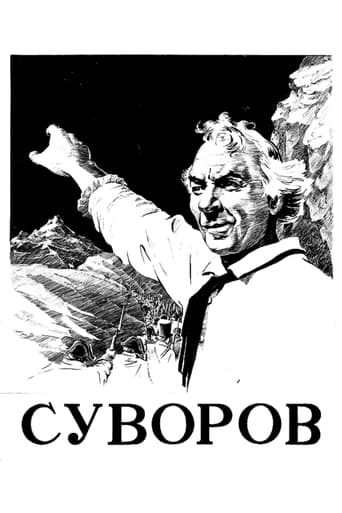
Soviet film director active during the early 1940s, best known for his historical biographical film 'General Suvorov' (1941). Working within the Soviet state film system during a tumultuous period in Russian history, Doller contributed to the wartime propaganda effort with his portrayal of the Russian military commander Alexander Suvorov. His directorial work came at a critical moment when Soviet cinema was mobilized to bolster national morale following the Nazi invasion in 1941. The film was one of many patriotic productions created to inspire Soviet citizens by drawing parallels between historical Russian military victories and the contemporary struggle against fascism. Doller's career appears to have been brief, with 'General Suvorov' standing as his most significant and possibly only major directorial credit. His work reflects the broader tradition of Soviet historical biopics that celebrated national heroes while serving contemporary political and ideological purposes.
The Craft
Behind the Camera
Doller's directing style in 'General Suvorov' reflected the Soviet tradition of grand historical epics, emphasizing patriotic themes and heroic characterizations typical of wartime propaganda cinema. His approach combined historical pageantry with contemporary political messaging, using the legacy of Russia's military past to inspire wartime audiences. The film employed the visual and narrative conventions of Soviet socialist realism, focusing on collective heroism and national pride.
Milestones
- Directed 'General Suvorov' (1941)
- Contributed to Soviet wartime cinema
- Created historical biographical film during WWII
Best Known For
Must-See Films
Working Relationships
Studios
Why They Matter
Impact on Culture
Mikhail Doller's contribution to cinema, though limited in scope, reflects the important role of filmmakers in Soviet society during World War II. 'General Suvorov' exemplifies how historical narratives were mobilized to serve contemporary political and military needs, using the glory of Russia's past to inspire resistance against foreign invasion. The film is part of a broader tradition of Soviet wartime cinema that helped shape national identity and collective memory during one of the country's darkest periods. Doller's work demonstrates how cinema functioned as both art and propaganda in the Soviet system, with historical biopics serving as vehicles for patriotic education and morale building.
Lasting Legacy
Mikhail Doller's legacy is primarily tied to his contribution to Soviet wartime cinema through 'General Suvorov.' While his career may have been brief, his film stands as an example of how Soviet directors used historical subjects to address contemporary challenges and support the national war effort. The film represents an important artifact of Soviet cultural production during WWII, illustrating the intersection of art, politics, and patriotism in totalitarian cinema. Doller's work, though not widely known internationally, contributes to our understanding of how filmmakers participated in the ideological and cultural battles of their time.
Who They Inspired
Due to the limited scope and documentation of Doller's career, his direct influence on other filmmakers is difficult to trace. However, his work on 'General Suvorov' reflects the broader influence of Soviet cinematic traditions, particularly the use of historical epics for patriotic purposes. The film is part of a continuum of Soviet historical cinema that influenced subsequent generations of filmmakers working within the state system, particularly those who continued to explore themes of Russian military history and national heroism in their work.
Off Screen
Very limited information is available about Mikhail Doller's personal life, as he appears to have had a brief or obscure career in Soviet cinema. Details about his family background, personal relationships, and life outside of filmmaking are not well documented in available historical records.
Did You Know?
- 'General Suvorov' was released in 1941, the same year the Soviet Union entered World War II
- The film was part of a wave of patriotic Soviet cinema produced during the early years of WWII
- Alexander Suvorov, the film's subject, was one of Russia's most celebrated military commanders
- The film was likely produced to boost morale following the Nazi invasion of the Soviet Union
- Doller appears to have had a very brief directorial career, with 1941 being the only documented year of his activity
- The film represents the Soviet tradition of historical biopics celebrating national heroes
- Like many Soviet films of the era, 'General Suvorov' likely served both artistic and propaganda purposes
Frequently Asked Questions
Who was Mikhail Doller?
Soviet on YTB.my.' His career appears to have been brief, with this wartime production standing as his most significant documented work.
What films is Mikhail Doller best known for?
Titles linked here include General Suvorov (1941).
When was Mikhail Doller born and when did he die?
Specific birth and death dates for Mikhail Doller are not readily available in historical records, reflecting the limited documentation of his career and life in available sources.
What awards did Mikhail Doller win?
There are no documented awards or nominations specifically attributed to Mikhail Doller in available historical records, though his film 'General Suvorov' was part of the important Soviet wartime cinema effort.
What was Mikhail Doller's directing style?
Doller's directing style reflected Soviet cinematic traditions of the 1940s, emphasizing patriotic themes, historical pageantry, and propaganda elements typical of wartime films produced under the Soviet state system.