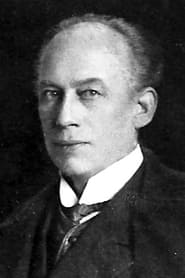
Ferdinand Bonn
Actor
Born: March 20, 1861 in Munich, Kingdom of Bavaria, German Confederation Died: September 24, 1933 Active: 1880s-1933
Films
1 film
About Ferdinand Bonn
Made a notable transition to silent cinema in the early 1920s. Born in Munich in 1861, he began his theatrical career in the 1880s and became a prominent figure in German theater, particularly known for his powerful dramatic performances and commanding stage presence. Throughout his theatrical career, Bonn performed in numerous classical and contemporary plays across various prestigious German theaters, earning recognition for his deep voice and intense acting style. His transition to film came late in his career, with his most notable screen appearance being in the 1920 silent drama 'Das Schweigen am Starnbergersee' (The Silence at Lake Starnberg). Despite his brief film career, Bonn brought his theatrical gravitas to the silent medium, creating memorable characterizations that resonated with early cinema audiences. He continued his stage work throughout the 1920s while occasionally appearing in films, maintaining his reputation as one of Germany's respected character actors. Bonn's nearly five decades, bridging the golden age of German theater and the emergence of cinema as an art form.
The Craft
On Screen
Bonn was known for his powerful, theatrical acting style characterized by dramatic intensity, commanding stage presence, and a deep, resonant voice that carried well in large theaters. His approach was rooted in classical German theatrical traditions, emphasizing emotional depth and psychological complexity in his character portrayals. When transitioning to film, he adapted his style to the silent medium, using exaggerated gestures and facial expressions to convey emotion effectively.
Milestones
- Debut as stage actor in Munich theaters (1880s)
- Leading roles at prestigious German theaters including Deutsches Theater Berlin
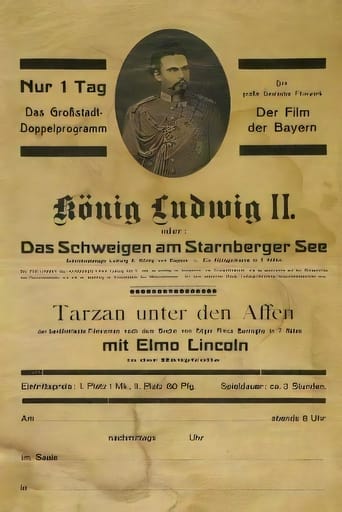
- Transition to silent film with 'Das Schweigen am Starnbergersee' (1920)
- Recognition as one of Germany's foremost character actors
- Mentorship of younger theatrical performers
- Continued stage performances into his 70s
Best Known For
Iconic Roles
Must-See Films
Accolades
Special Recognition
- Recognition as leading stage actor in German theater (early 1900s)
- Honorary mentions in German theatrical publications
Working Relationships
Worked Often With
Studios
Why They Matter
Impact on Culture
Ferdinand Bonn represented the bridge between traditional German theatrical traditions and the emerging art of cinema in the early 20th century. His successful transition from stage to screen demonstrated how classical theatrical training could be adapted to the new medium of film. As a respected figure in German theater, he helped legitimize cinema as a serious artistic endeavor for trained actors. His performances in early German cinema contributed to the development of German film acting techniques that would influence subsequent generations of actors.
Lasting Legacy
Bonn's legacy lies primarily in his contributions to German theater during its golden age and his role as one of the early stage actors to embrace cinema. While his film career was brief, his work in 'Das Schweinen am Starnbergersee' represents an important example of how classical theater actors adapted their craft to silent film. His dedication to theatrical arts and mentorship of younger performers helped maintain high standards in German theater during a period of significant cultural and artistic change.
Who They Inspired
Ferdinand Bonn influenced subsequent generations of German actors through his example of maintaining classical theatrical standards while embracing new media. His approach to character development and dramatic intensity became a model for actors transitioning between stage and screen. Many actors who worked with him carried forward his emphasis on psychological depth and emotional authenticity in performance.
Off Screen
Ferdinand Bonn lived a relatively private life focused primarily on his theatrical career. He was known among theatrical circles as a dedicated professional who mentored many younger actors. His later years were spent in Berlin, where he continued to be active in the theater community until his death in 1933.
Education
Formal theatrical training in Munich during the 1870s and 1880s, likely through apprenticeships in various Munich theaters
Did You Know?
- Born in the same year as German unification (1861)
- His film career began when he was nearly 60 years old
- The film 'Das Schweigen am Starnbergersee' was based on a play about the mysterious death of King Ludwig II of Bavaria
- He was part of the generation that saw the transition from gas lighting to electric lighting in theaters
- His active years covered the German Empire, Weimar Republic, and the beginning of the Third Reich
- He maintained his stage career well into his 70s, unusual for actors of his era
- His theatrical style was influenced by the traditions of the Munich court theater
- He witnessed the complete transformation of German entertainment culture from imperial to modern times
Frequently Asked Questions
Who was Ferdinand Bonn?
German stage and film with credits in this catalog. He was particularly known for his powerful dramatic performances and made a notable appearance in the 1920 silent film 'Das Schweigen am Starnbergersee'.
What films is Ferdinand Bonn best known for?
Titles linked here include Das Schweigen am Starnbergersee (1920).
When was Ferdinand Bonn born and when did he die?
Born March 20, 1861; died September 24, 1933.
What awards did Ferdinand Bonn win?
While specific formal awards are not documented, Bonn received recognition as one of Germany's foremost character actors during his theatrical career and was honored in German theatrical publications for his contributions to the stage.
What was Ferdinand Bonn's acting style?
Bonn was known for his powerful, theatrical acting style characterized by dramatic intensity and commanding presence. Rooted in classical German theatrical traditions, he emphasized emotional depth and psychological complexity in his character portrayals.
How did Ferdinand Bonn influence German theater?
Bonn influenced German theater through his dedication to classical standards while embracing new artistic developments. He mentored younger actors and helped bridge the gap between traditional theater and emerging cinema, maintaining high artistic standards throughout his long career.