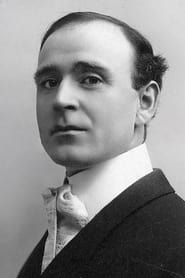
William Robert Daly
Actor & Director
Born: 1871 in Boston, Massachusetts, United States Died: December 16, 1935 Active: 1911-1914
Films
3 films
About William Robert Daly
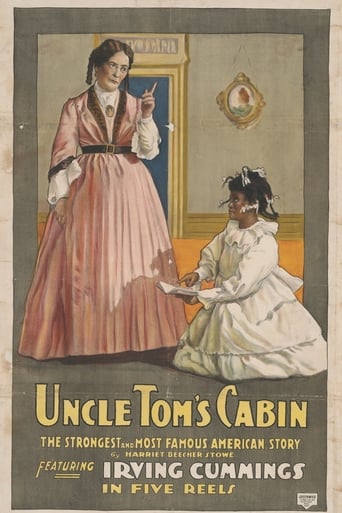
American filmmaker who operated during the earliest years of American cinema, serving as both an actor and director during the formative silent era. His brief but significant from 1911 to 1914, a critical period when the American film industry was transitioning from short novelty films to feature-length narratives. Daly began his career as an actor, appearing in D.W. Griffith's early Biograph films before transitioning into directing. His most notable directorial work was the 1914 adaptation of Harriet Beecher Stowe's 'Uncle Tom's Cabin,' which was one of the earliest feature-length films produced in America. As a director, Daly was known for his ambitious approach to literary adaptations, bringing complex stories to the screen during a time when most films were still simple melodramas. His career coincided with the establishment of Hollywood as the center of American film production, though he worked primarily with East Coast production companies. Despite his relatively short career, Daly's work represents an important bridge between the earliest days of cinema and the emerging studio system that would dominate Hollywood in the following decades.
The Craft
On Screen
Daly's acting style reflected the theatrical traditions of the late 19th century, typical of early silent film performers who had stage backgrounds. His performances were characterized by exaggerated gestures and facial expressions necessary to convey emotion without dialogue, a technique common in the pre-feature film era when actors needed to communicate clearly to audiences in large theaters.
Behind the Camera
As a director, Daly demonstrated an early understanding of cinematic storytelling that went beyond simple recording of stage performances. His adaptation of 'Uncle Tom's Cabin' showed ambitious use of location shooting and attempted to capture the epic scope of the literary source, though still constrained by the technical limitations of 1914 film equipment. His directing approach emphasized narrative clarity and emotional impact over technical experimentation.
Milestones
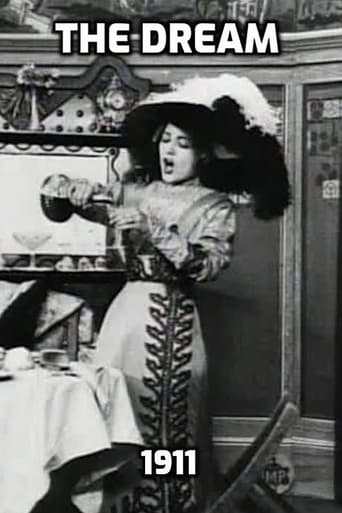
- Acting debut in D.W. Griffith's 'The Dream' (1911)
- Transition from acting to directing in 1912
- Directed the ambitious feature 'Uncle Tom's Cabin' (1914)
- Worked with early Biograph and Thanhouser film companies
- Contributed to early American literary adaptations
Best Known For
Iconic Roles
Must-See Films
Accolades
Special Recognition
- Recognized as an early American film pioneer by film historians
Working Relationships
Worked Often With
Studios
Why They Matter
Impact on Culture
William Robert Daly represents the transitional generation of filmmakers who helped establish American cinema as a legitimate art form. His work during the 1911-1914 period coincided with crucial developments in film language, including the emergence of feature-length narratives and more sophisticated storytelling techniques. His adaptation of 'Uncle Tom's Cabin' was significant not only for its ambitious scope but also for bringing one of America's most important literary works to the screen, helping establish cinema as a medium for serious literary adaptation. While his individual contributions were modest compared to contemporaries like D.W. Griffith, Daly was part of the foundational generation of American filmmakers who transformed cinema from a novelty attraction into a narrative art form.
Lasting Legacy
Daly's legacy lies primarily in his role as an early American film pioneer during the crucial transition period from short films to features. His 1914 'Uncle Tom's Cabin' stands as an important example of early American feature filmmaking and literary adaptation, demonstrating the growing ambitions of the American film industry during this era. Film historians recognize Daly as part of the first generation of American directors who helped establish narrative cinema conventions that would influence subsequent filmmakers. Though his career was brief, his work provides valuable insight into the development of American film language and the industry's early attempts to tackle complex, socially significant subject matter.
Who They Inspired
Due to his short career span and the early period in which he worked, Daly's direct influence on subsequent filmmakers was limited. However, his work contributed to the broader development of American cinema during its formative years. His approach to literary adaptation helped establish precedents for future filmmakers attempting to bring complex novels to the screen. The technical and narrative solutions he developed while working on 'Uncle Tom's Cabin' represented part of the collective experimentation that would eventually establish the conventions of classical Hollywood cinema.
Off Screen
William Robert Daly was born in Boston in 1871 and spent his early adulthood working in theater before transitioning to the emerging film industry. He married and had children, though specific details about his family life remain scarce due to the limited documentation of early film personalities. After his brief film career ended in 1914, Daly largely disappeared from public records, suggesting he may have returned to theatrical work or pursued other business interests. He passed away in 1935 at the age of 64, having witnessed the transformation of the film industry from its infancy to the golden age of Hollywood.
Education
Unknown (likely theatrical training rather than formal education)
Family
- Unknown (married)
Did You Know?
- Worked during the exact period when American films transitioned from shorts to features
- His 'Uncle Tom's Cabin' was one of the earliest American feature films
- Began as an actor with D.W. Griffith at Biograph before becoming a director
- Career lasted only four years but spanned a crucial period in film history
- His work represents the bridge between theatrical and cinematic storytelling
- Disappeared from film records after 1914, suggesting he may have returned to theater
- His films were made before Hollywood became the center of American production
- Participated in the early development of film as a medium for literary adaptation
- His directing career coincided with the establishment of the feature film as the industry standard
In Their Own Words
No documented quotes survive from this early film pioneer
Frequently Asked Questions
Who was William Robert Daly?
American filmmaker who worked during the early silent era from 1911 to 1914, serving as both an actor and on YTB.my. He is best known for directing the 1914 feature film 'Uncle Tom's Cabin' and for acting in D.W. Griffith's early Biograph productions.
What films is William Robert Daly best known for?
Titles linked here include The Dream (1911), Uncle Tom's Cabin (1914).
When was William Robert Daly born and when did he die?
Born 1871; died December 16, 1935.
What awards did William Robert Daly win?
No formal awards or nominations were documented for William Robert Daly, as he worked during the very early period of American cinema before the establishment of industry awards like the Academy Awards, which began in 1929, well after his career had ended.
What was William Robert Daly's directing style?
Daly's directing style emphasized narrative clarity and ambitious storytelling within the technical constraints of early 1910s cinema. His work on 'Uncle Tom's Cabin' demonstrated an early understanding of cinematic adaptation, attempting to capture the epic scope of literary works despite limited technology and resources.