Sam Lucas
Actor
Born: August 7, 1848 in Washington Court House, Ohio, United States Died: January 10, 1916 Active: 1870s-1916 Birth Name: Samuel Mildmay Lucas
Films
1 film
About Sam Lucas
African American performer who broke racial barriers in American entertainment during the late 19th and early 20th centuries. Born into slavery in Ohio, he rose to become Black actors of his time, beginning his career in minstrel shows before transitioning to legitimate theater. Lucas achieved widespread acclaim for his portrayal of Uncle Tom in stage productions of Harriet Beecher Stowe's novel, becoming the first Black actor to play the role in a major production. His over four decades, during which he performed in vaudeville, musical theater, and eventually film. In 1914, he reprised his signature role in the film adaptation of 'Uncle Tom's Cabin,' making him one of the first African American actors to star in a feature film. Lucas's success paved the way for future generations of Black performers in American entertainment, and he was widely respected as 'the grand old man of the Negro stage' until his death in 1916.
The Craft
On Screen
Lucas was known for his dignified and emotionally resonant performances, particularly in dramatic roles. He brought depth and humanity to characters that were often stereotyped, using his powerful singing voice and commanding stage presence to elevate the material. His portrayal of Uncle Tom was praised for its authenticity and emotional weight, helping to redefine the role for Black performers.
Milestones
- First African American actor to play Uncle Tom in a major stage production
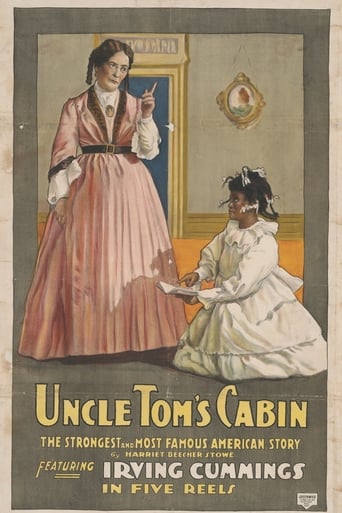
- Starred in the 1914 film adaptation of 'Uncle Tom's Cabin'
- Pioneered roles for Black actors in legitimate theater
- Performed with the Hyers Sisters Opera Company
- Became known as 'the grand old man of the Negro stage'
- Transitioned successfully from minstrel shows to legitimate theater
Best Known For
Iconic Roles
Must-See Films
Accolades
Special Recognition
- Recognized as a pioneer in African American theater
- Honored as one of the first Black film stars
- Remembered as 'the grand old man of the Negro stage'
Working Relationships
Worked Often With
Studios
Why They Matter
Impact on Culture
Sam Lucas played a crucial role in breaking racial barriers in American entertainment, becoming one of the first African American actors to achieve mainstream success. His dignified portrayal of Uncle Tom challenged prevailing stereotypes and helped pave the way for more authentic representation of Black characters on stage and screen. Lucas's success demonstrated that African American performers could headline major productions and attract diverse audiences, challenging the segregationist policies of the entertainment industry. His transition from minstrel shows to legitimate theater marked an important step in the evolution of African American performing arts.
Lasting Legacy
Sam Lucas is remembered as a trailblazer who opened doors for future generations of African American performers. His active years covered a critical period in American entertainment history, from the height of minstrelsy through the emergence of film. Lucas's success in both stage and film versions of 'Uncle Tom's Cabin' established a precedent for Black actors in leading roles. His dignity, talent, and perseverance in the face of systemic racism made him a role model and symbol of possibility for African American artists. Today, he is recognized as an important figure in the history of African American cinema and theater.
Who They Inspired
Lucas influenced countless African American performers who followed, demonstrating that Black actors could achieve commercial success and artistic respect. His approach to characterization, particularly his dignified portrayal of Uncle Tom, set a standard for authenticity in Black performance. Many early 20th-century African American actors cited Lucas as an inspiration for pursuing careers in entertainment despite racial barriers. His success helped create opportunities for the next generation of Black performers in both theater and emerging cinema.
Off Screen
Sam Lucas was born into slavery but gained freedom as a child. He married Carrie F. Lucas, and they had children together. Despite facing significant racial discrimination throughout his career, Lucas became. He was known for his professionalism and dedication to advancing opportunities for Black actors in entertainment.
Education
Limited formal education due to being born into slavery; learned performance skills through experience in minstrel shows and theater
Family
- Carrie F. Lucas
Did You Know?
- Was born into slavery but gained freedom as a young child
- One of the first African American actors to star in a feature film
- His 1914 film appearance came at age 66, near the end of his life
- Was often called 'the grand old man of the Negro stage'
- Began his career in minstrel shows but later criticized their stereotypical portrayals
- His portrayal of Uncle Tom was praised for its dignity and humanity
- Was a talented singer in addition to his acting abilities
- Worked with the Hyers Sisters Opera Company
- His film 'Uncle Tom's Cabin' was one of the earliest feature films with a Black lead
- Died just two years after making his film debut
In Their Own Words
I have tried to lift my people up through my work, not to degrade them.
The stage has been my life, and I hope I have left it better for those who come after me.
Playing Uncle Tom has been both my greatest challenge and my greatest triumph.
Frequently Asked Questions
Who was Sam Lucas?
African American with credits in this catalog. He is best known for his portrayal of Uncle Tom in both stage and film productions, and was widely respected as 'the grand old man of the Negro stage' during the late 19th and early 20th centuries.
What films is Sam Lucas best known for?
Titles linked here include Uncle Tom's Cabin (1914).
When was Sam Lucas born and when did he die?
Born August 7, 1848; died January 10, 1916.
What awards did Sam Lucas win?
During Sam Lucas's era, formal awards for African American performers were virtually nonexistent due to racial segregation in the entertainment industry. However, he received widespread recognition and honors within the African American community and was celebrated as a pioneer who broke significant racial barriers in American theater and film.
What was Sam Lucas's acting style?
Sam Lucas was known for his dignified and emotionally resonant performances, particularly in dramatic roles. He brought depth and humanity to characters that were often stereotyped, using his powerful singing voice and commanding stage presence to elevate the material and challenge prevailing racial stereotypes in entertainment.