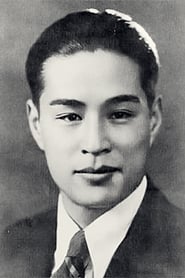
Jin Yan
Actor
Born: August 8, 1910 in Seoul, Korea (under Japanese rule) Died: December 27, 1983 Active: 1929-1982 Birth Name: Kim Yul (김열)
Films
2 films

About Jin Yan
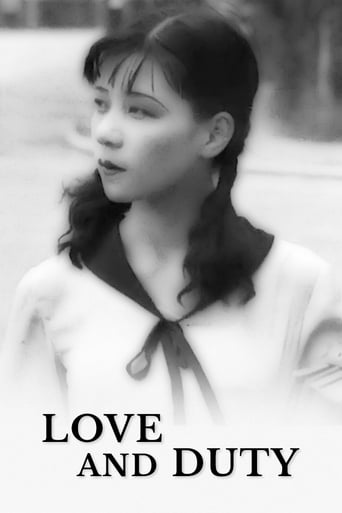
Jin Yan, born Kim Yul, was a Korean-Chinese actor who became film stars in 1930s Chinese cinema. After moving to China as a teenager, he began his acting career in the late 1920s and quickly rose to prominence with his charismatic screen presence and versatile acting abilities. His breakthrough came with the 1930 film 'Wild Rose' (野草閑花), which established him as a leading man. Jin Yan reached the pinnacle of his career with the 1931 masterpiece 'Love and Duty' (戀愛與義務), co-starring Ruan Lingyu, which became Chinese films of the era. Throughout the 1930s, he starred in numerous successful films including 'Soaring Aspirations' (1936), often portraying romantic heroes and characters representing modern Chinese ideals. During the Second Sino-Japanese War, he participated in patriotic films supporting the Chinese resistance. After 1949, he continued acting in mainland China but his career was affected by political changes, though he remained a respected figure in Chinese cinema until his death in 1983.
The Craft
On Screen
Known for his naturalistic acting style that moved away from the exaggerated theatrical performances common in early Chinese cinema. Jin Yan brought a subtle, nuanced approach to his roles, combining romantic sensitivity with masculine strength. His screen presence was charismatic yet approachable, making him particularly popular with audiences. He excelled at portraying modern, progressive Chinese men who embodied the aspirations of contemporary youth.
Milestones
- Breakthrough role in 'Wild Rose' (1930)
- Starred in the classic 'Love and Duty' (1931)
- Named 'Film Emperor' by Chinese audiences in the 1930s
- Leading actor in 'Soaring Aspirations' (1936)
- Made patriotic films during the Sino-Japanese War
- Continued acting career after 1949 in New China
Best Known For
Iconic Roles
Must-See Films
Accolades
Won
- Named 'Film Emperor' by Chinese film audiences (1930s)
- Honored as one of the 100 greatest Chinese actors of the 20th century
Special Recognition
- Posthumously recognized as a figure in Chinese cinema history
- Featured in Chinese film retrospectives and museum exhibitions
Working Relationships
Worked Often With
Studios
Why They Matter
Impact on Culture
Jin Yan revolutionized Chinese screen acting by introducing a more natural, less theatrical style that influenced generations of Chinese actors. As one of the first true movie stars in China, he helped establish the concept of celebrity in Chinese cinema culture. His films, particularly 'Love and Duty', addressed contemporary social issues and modern values, contributing to the development of socially conscious Chinese cinema. During the national crisis of the 1930s, his participation in patriotic films made him a symbol of cultural resistance against Japanese aggression.
Lasting Legacy
Jin Yan's legacy endures as one of the foundational figures of Chinese cinema history. He is remembered as the 'Film Emperor' who bridged the silent and sound eras of Chinese film, helping establish the star system and modern acting techniques in Chinese cinema. His films, especially those preserved and restored in recent decades, continue to be studied by film scholars and appreciated by cinema enthusiasts. The naturalistic acting style he pioneered became a standard in Chinese cinema, influencing countless actors who followed. His life story—from Korean immigrant to Chinese cultural icon—also represents the complex cultural exchanges in early 20th century East Asia.
Who They Inspired
Jin Yan's naturalistic acting approach directly challenged the exaggerated theatrical style prevalent in early Chinese cinema, paving the way for more realistic performances. His success as a leading man established the template for the modern romantic hero in Chinese films. Younger actors of the 1940s and 1950s often cited him as an influence for their own acting methods. His cross-cultural background also opened doors for other foreign-born artists in Chinese cinema, contributing to the international character of Shanghai's film industry in its golden age.
Off Screen
Jin Yan married fellow actress Wang Renmei in 1936, with whom he had a son named Jin Yao. The couple divorced in 1945. He later married another actress, Qin Yi, in 1947, and they had a daughter named Jin Fei. Despite his Korean heritage, Jin Yan became a naturalized Chinese citizen and was deeply committed to Chinese cinema and culture. He faced political challenges during the Cultural Revolution but was later rehabilitated and continued to receive recognition for his contributions to Chinese film.
Education
Attended school in Shanghai after moving from Korea, received informal acting training through early film work
Family
- Wang Renmei (1936-1945)
- Qin Yi (1947-1983)
Did You Know?
- Was originally named Kim Yul and was of Korean descent
- Became known as the 'Film Emperor' (电影皇帝) in 1930s China
- Spoke fluent Mandarin with a slight accent that audiences found charming
- His 1931 film 'Love and Duty' was considered lost for decades until a print was discovered in Uruguay in the 1990s
- Was one of the highest-paid actors in China during the 1930s
- Participated in anti-Japanese propaganda films during the war
- His marriage to Wang Renmei was considered the golden couple of Chinese cinema in the 1930s
- Continued acting well into his 70s, appearing in films as late as 1982
- Was rehabilitated after the Cultural Revolution and received official recognition for his contributions
- His son Jin Yao also became an actor, continuing the family legacy
In Their Own Words
Acting is not about pretending, but about finding the truth within yourself and bringing it to the screen.
A film should not only entertain but also awaken the consciousness of its audience.
Being an actor means carrying the responsibility of representing the dreams and aspirations of ordinary people.
Frequently Asked Questions
Who was Jin Yan?
Korean-Chinese with credits in this catalog.
What films is Jin Yan best known for?
Titles linked here include Love and Duty (1931), Soaring Aspirations (1936).
When was Jin Yan born and when did he die?
Born August 8, 1910; died December 27, 1983.
What awards did Jin Yan win?
While formal award systems were limited in 1930s China, Jin Yan was named 'Film Emperor' by Chinese audiences and was later honored as one of the 100 greatest Chinese actors of the 20th century.
What was Jin Yan's acting style?
Jin Yan pioneered a naturalistic acting style in Chinese cinema, moving away from theatrical exaggeration to create subtle, nuanced performances that emphasized emotional authenticity and modern sensibilities.