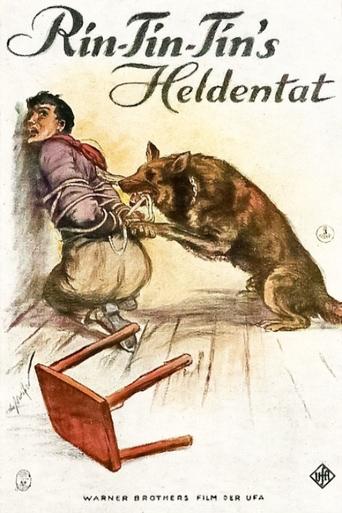
Rin-Tin-Tin
Actor
Born: September 1918 in Flirey, France Died: August 10, 1932 Active: 1922-1931 Birth Name: Rin-Tin-Tin (no stage name change)
Films
3 films
About Rin-Tin-Tin
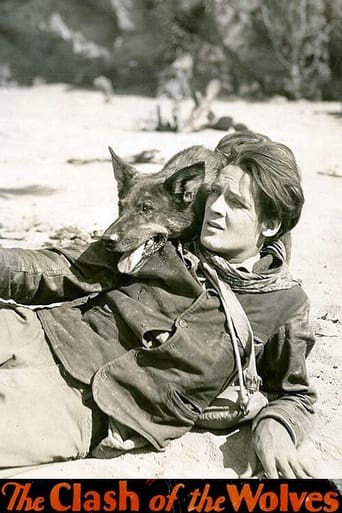
Rin-Tin-Tin was discovered as a five-day-old puppy in a bombed-out dog kennel in Flirey, France, during World War I by American soldier Lee Duncan in September 1918. Duncan brought the German Shepherd puppy back to the United States and trained him, recognizing his exceptional intelligence and screen presence. The dog's film career began when he impressed a filmmaker at a dog show, leading to his first major role in 'The Man from Hell's River' (1922). Rin-Tin-Tin quickly became Warner Bros.' biggest star during the silent era, reportedly saving the studio from bankruptcy with his box office success. His acting style combined natural canine behavior with trained responses, creating emotionally compelling performances that audiences found deeply moving. Throughout the 1920s, he starred in over two dozen films, becoming one of the highest-paid actors in Hollywood with a salary of $1,000 per week. His popularity waned with the advent of sound films, though his descendants continued his legacy in film and television. Rin-Tin-Tin died on August 10, 1932, in Duncan's arms, marking the end of an era for one of cinema's most unique and beloved stars.
The Craft
On Screen
Rin-Tin-Tin's acting style combined natural canine instincts with extensive training, allowing him to perform complex emotional scenes that resonated with silent film audiences. His performances featured a remarkable ability to convey loyalty, courage, and intelligence through subtle facial expressions and body language. Lee Duncan trained him using positive reinforcement and natural behavior encouragement, resulting in performances that felt authentic rather than forced. His signature moves included heroic leaps, dramatic rescues, and expressive gazes that could convey complex emotions without dialogue. The dog's physical prowess and natural charisma made him particularly effective in action sequences and dramatic confrontations.
Milestones
- Discovered in France during WWI by Lee Duncan
- Starred in first major film 'The Man from Hell's River' (1922)
- Saved Warner Bros. From bankruptcy with box office success
- Became highest-paid actor at Warner Bros. Earning $1,000/week
- Received thousands of fan letters weekly at peak popularity
- Starred in over 27 films during silent era
- Legacy continued through trained successors and television series
Best Known For
Iconic Roles
Must-See Films
Accolades
Won
- Hollywood Walk of Fame Star (1960, posthumous)
- Animals in Film Hall of Fame
Nominated
- Rumor of Academy Award consideration for Best Actor (1929) - historically disputed
Special Recognition
- U.S. Postal Service commemorative stamp (1998)
- Hollywood Walk of Fame star at 1627 Vine Street
- Inducted into the Hall of Famous Animals
- Preserved in film history as one of cinema's greatest animal actors
Working Relationships
Worked Often With
Studios
Why They Matter
Impact on Culture
Rin-Tin-Tin revolutionized the role of animals in cinema, proving that non-human performers could carry major films and become genuine box office draws. His popularity during the 1920s helped establish Warner Bros. As a major Hollywood studio, with his films consistently outperforming many human actors. The character he portrayed - the loyal, intelligent, heroic dog - became an archetypal figure in American cinema that influenced countless subsequent animal characters. His success demonstrated the commercial viability of animal-centered stories, paving the way for future animal stars like Lassie and Beethoven. Rin-Tin-Tin's films also helped popularize German Shepherds as family pets in America, changing public perception of the breed. His impact extended beyond cinema into popular culture, with merchandise, books, and even a radio show dedicated to his character.
Lasting Legacy
Rin-Tin-Tin's legacy endures as one of Hollywood's most unique success stories and proof of the power of animal performers. His influence can be seen in the continued popularity of animal-centered films and television shows, from Lassie to modern productions like 'A Dog's Purpose'. The Rin-Tin-Tin brand continued for decades through successor dogs, a 1950s television series, and various media adaptations. He remains a symbol of loyalty, courage, and the special bond between humans and animals. Film historians credit him with establishing the template for successful animal actors and demonstrating the emotional depth that non-human performers could bring to cinema. His story also reflects the broader narrative of Hollywood's golden age, where unique talents could emerge from unexpected circumstances to capture the public's imagination. The preservation of his films ensures that new generations can appreciate his contributions to cinema history.
Who They Inspired
Rin-Tin-Tin directly influenced the careers of subsequent animal actors by proving their commercial viability and establishing training methods that emphasized natural behavior. His success inspired studios to invest more in animal-centered productions and to develop specialized training programs for animal performers. The emotional storytelling techniques developed for his films influenced how directors approached animal characters in subsequent decades. His popularity helped create a market for animal-related merchandise and cross-media adaptations, a business model still used today. The training philosophy employed by Lee Duncan influenced modern animal training methods that prioritize positive reinforcement and natural behavior. His films demonstrated that animal stories could tackle complex themes of loyalty, sacrifice, and heroism, expanding the narrative possibilities for family entertainment.
Off Screen
Rin-Tin-Tin was discovered as a newborn puppy alongside his littermates in a destroyed German kennel in France during World War I. His owner, Lee Duncan, formed an incredibly deep bond with the dog that lasted throughout Rin-Tin-Tin's life. The dog lived with Duncan and his family, enjoying a comfortable life between film shoots. Rin-Tin-Tin sired numerous puppies, some of which were trained to continue his film legacy. Despite his fame, he remained a beloved family pet and was known for his gentle nature off-screen. His death in 1932 deeply affected Duncan, who continued to preserve his memory through the training of successor dogs.
Education
Trained by owner Lee Duncan using positive reinforcement methods and natural behavior encouragement
Family
- Nanette (German Shepherd, mate for breeding purposes)
Did You Know?
- Discovered in a bombed-out kennel in France during WWI
- Named after a French puppet called 'Rintintin' that was given to soldiers for good luck
- Earned $1,000 per week at the height of his career, more than many human actors
- Received over 10,000 fan letters per week during peak popularity
- Reportedly saved Warner Bros. From bankruptcy in the 1920s
- Legend says he received the most votes for the first Academy Award for Best Actor, but the Academy created the category for humans instead
- Had his own personal chef and chauffeur during his Hollywood peak
- His paw prints were placed in cement at Grauman's Chinese Theatre
- Died in Lee Duncan's arms on August 10, 1932
- A successor dog continued his career in films and later starred in 'The Adventures of Rin-Tin-Tin' TV series (1954-1959)
In Their Own Words
While Rin-Tin-Tin couldn't speak, his performances conveyed messages of loyalty and courage that resonated with audiences worldwide
Lee Duncan on his dog: 'He was more than a pet, he was my partner and my best friend'
Contemporary newspaper review: 'Rin-Tin-Tin gives a performance that many human actors would envy'
Frequently Asked Questions
Who was Rin-Tin-Tin?
German Shepherd who became one of the biggest movie stars of the silent film era. Discovered in France during World War I by American soldier Lee Duncan, he went on to star in over two dozen films for Warner Bros. And became one of the highest-paid actors in Hollywood.
What films is Rin-Tin-Tin best known for?
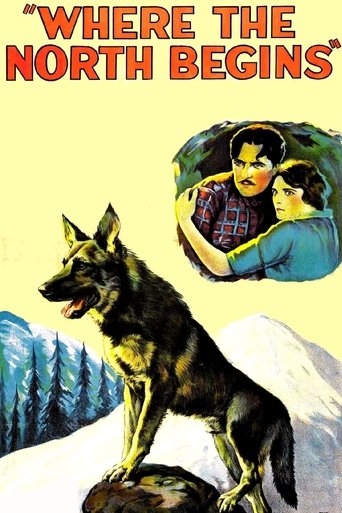
Titles linked here include Where the North Begins (1923), The Lighthouse by the Sea (1924).
When was Rin-Tin-Tin born and when did he die?
Born September 1918; died August 10, 1932.
What awards did Rin-Tin-Tin win?
Rin-Tin-Tin received a star on the Hollywood Walk of Fame in 1960 (posthumously) and has been inducted into the Animals in Film Hall of Fame. There's a persistent urban legend that he won the first Academy Award for Best Actor, but this is historically disputed and likely untrue.
What was Rin-Tin-Tin's acting style?
Rin-Tin-Tin's acting style combined natural canine behavior with extensive training, allowing him to perform complex emotional scenes. His performances featured remarkable expressions of loyalty, courage, and intelligence through subtle facial expressions and body language, making him particularly effective in the silent film medium.