Neville Chamberlain
Actor
Born: March 18, 1869 in Birmingham, England, United Kingdom Died: November 9, 1940 Active: 1911-1940 (Political career) Birth Name: Arthur Neville Chamberlain
Films
1 film
About Neville Chamberlain
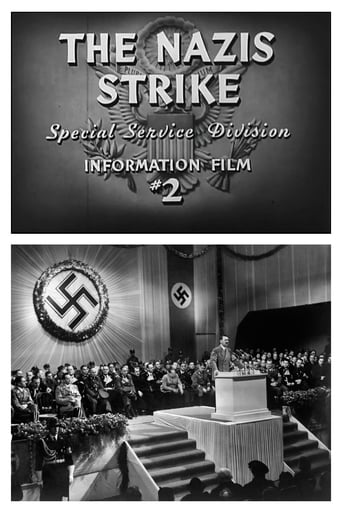
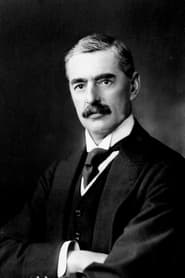
Neville Chamberlain was not a professional actor but rather a prominent British statesman who served as Prime Minister of the United Kingdom from 1937 to 1940. Born into a political family, he followed his father Joseph Chamberlain and half-brother Austen Chamberlain into politics. Chamberlain served as Chancellor of the Exchequer and Minister of Health before becoming Prime Minister, where he is most remembered for his policy of appeasement toward Nazi Germany. His signing of the Munich Agreement in 1938, declaring 'peace for our time,' became historically infamous when Hitler continued his aggression. Chamberlain led Britain through the first eight months of World War II before resigning in May 1940 and being succeeded by Winston Churchill. He died of cancer in November 1940, six months after leaving office. His appearance in 'Why We Fight: The Nazis Strike' (1943) was through archival newsreel footage, not as a professional acting performance.
The Craft
Milestones
- Elected to Parliament in 1918
- Appointed Minister of Health (1923, 1924-1929)
- Served as Chancellor of the Exchequer (1931-1937)
- Became Prime Minister in 1937
- Signed Munich Agreement in 1938
- Declared war on Germany in September 1939
Best Known For
Iconic Roles
Must-See Films
Accolades
Special Recognition
- Order of the Garter
- Order of the Companions of Honour
- Privy Counsellor
Why They Matter
Impact on Culture
Neville Chamberlain's political legacy, particularly his appeasement policy, has made him. His image and speeches have been extensively used in historical documentaries and war films, including Frank Capra's 'Why We Fight' series, where archival footage of Chamberlain serves to illustrate the lead-up to World War II. His declaration of 'peace for our time' has become.
Lasting Legacy
Chamberlain's legacy is complex and controversial. While initially praised for avoiding war, history has largely judged his appeasement policy as a failure that emboldened Hitler. However, modern historians have also recognized that Chamberlain was working with limited options and British public opinion that strongly opposed another war. His domestic reforms as Minister of Health and his role in preparing Britain for war are often overlooked aspects of his career.
Who They Inspired
Chamberlain's political career has influenced subsequent generations of political leaders, serving as a cautionary tale about the dangers of appeasement and the challenges of democratic leadership during international crises. His diplomatic approach and its failure have been studied extensively in political science and international relations courses worldwide.
Off Screen
Neville Chamberlain married Anne de Vere Cole in 1911, and they had two children together. He was known for his dedication to public service and his interest in music and literature. Despite his political controversies, he was generally regarded as a man of integrity who worked tirelessly for what he believed was the best interest of his country. His personal life was marked by relative stability compared to the turmoil of his political career.
Education
Rugby School, Mason Science College (now University of Birmingham)
Family
- Anne de Vere Cole (1911-1940)
Did You Know?
- He was the first British Prime Minister to fly in an airplane (1936)
- Chamberlain — skilled musician who played the violin and piano
- He was Lord Mayor of Birmingham in 1915-1916
- His father Joseph Chamberlain — prominent politician who never became Prime Minister
- He was the first British Prime Minister to visit the White House (1938)
- Chamberlain — cousin of author Norman Angell
- He maintained detailed diaries throughout his political career
- Despite his reputation for appeasement, he began British rearmament in 1937
- He was a Freemason and served as Grand Master of the United Grand Lodge of England
- His resignation as Prime Minister came just months before the Battle of Britain
In Their Own Words
"Peace for our time" - upon returning from Munich, September 30, 1938
"You were given the choice between war and dishonour. You chose dishonour and you will have war" - Winston Churchill's critique of Chamberlain's Munich policy
"In war, whichever side may call itself the victor, there are no winners, but all are losers" - 1938 speech
"My good friends, for the second time in our history, a British Prime Minister has returned from Germany bringing peace with honour" - Munich Agreement speech
Frequently Asked Questions
Who was Neville Chamberlain?
Neville Chamberlain was the British Prime Minister from 1937 to 1940, best known for his policy of appeasement toward Nazi Germany. He was a career politician who served in various ministerial positions before becoming Prime Minister, and he led Britain through the first months of World War II.
What films is Neville Chamberlain best known for?
Titles linked here include Why We Fight: The Nazis Strike (1943) - archival footage.
When was Neville Chamberlain born and when did he die?
Born March 18, 1869; died November 9, 1940.
What was the Munich Agreement?
The Munich Agreement was a 1938 treaty where Chamberlain, along with French and Italian leaders, agreed to allow Hitler to annex the Sudetenland region of Czechoslovakia in exchange for a promise of peace. Chamberlain famously returned declaring 'peace for our time,' but Hitler continued his aggression.
How did Chamberlain's career end?
Chamberlain resigned as Prime Minister on May 10, 1940, after the failure of British forces in Norway and growing lack of confidence in his leadership. He was succeeded by Winston Churchill and died of cancer six months later.