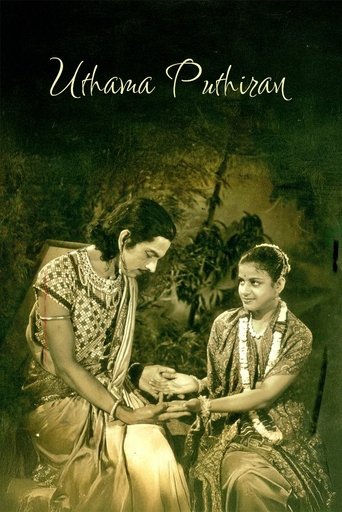
P. U. Chinnappa
Actor
Born: September 8, 1910 in Pudukottai, Tamil Nadu, India Died: September 23, 1951 Active: 1936-1951 Birth Name: Ponnuswamy Udayar Chinnappa
Films
1 film
About P. U. Chinnappa
Figure in early Tamil cinema, renowned as one of the first superstars of the industry. Born Ponnuswamy Udayar Chinnappa, he began his career in theater before making a successful transition to films in the mid-1930s. He was particularly celebrated for his powerful screen presence, distinctive baritone voice, and ability to sing his own songs in films - a rare talent in that era. Chinnappa specialized in mythological, historical, and social films, often portraying larger-than-life characters that resonated deeply with audiences. His performances in films like 'Aryamala' (1941) and 'Manonmani' (1942) broke box office records and established him as the highest-paid actor of his time. Tragically, his flourishing career was cut short when he died of a heart attack at the young age of 41 in 1951, leaving behind a legacy that influenced generations of Tamil cinema actors.
The Craft
On Screen
P. U. Chinnappa was known for his powerful and dramatic acting style, characterized by intense expressions and commanding screen presence. He had a unique ability to portray both heroic and complex characters with equal finesse. His performances were marked by theatrical intensity inherited from his stage background, combined with a natural charisma that translated well to the silver screen. His distinctive baritone voice added depth to his performances, and he often used vocal modulation to enhance character portrayal.
Milestones
- Film debut in 'Sati Leelavathi' (1936)
- Breakthrough success with 'Aryamala' (1941)
- Record-breaking success of 'Manonmani' (1942)
- Became the highest-paid actor in Tamil cinema
- Established his own production company
- Known for singing his own songs in films
Best Known For
Iconic Roles
Must-See Films
Accolades
Won
- No formal awards during his era as award systems were not established in early Tamil cinema
Special Recognition
- Recognized as one of the pioneers of Tamil cinema
- Posthumously celebrated as a legendary actor in Tamil film history
- His films are considered classics and are preserved as important cultural artifacts
Working Relationships
Worked Often With
Studios
Why They Matter
Impact on Culture
P. U. Chinnappa played a crucial role in establishing Tamil cinema as a major cultural force in South India. His ability to sing his own songs set a precedent for actor-singers in Tamil cinema, a tradition that continues to this day. He helped bridge the gap between traditional theater and modern cinema, bringing theatrical grandeur to the silver screen. His films often dealt with social issues and moral values, influencing public discourse on various topics. His success proved that regional cinema could achieve commercial success and cultural significance, paving the way for the golden age of Tamil cinema.
Lasting Legacy
P. U. Chinnappa's legacy endures as one of the foundational pillars of Tamil cinema. He is remembered as the first true superstar of Tamil films, setting standards for performance excellence and box office appeal. His technique of singing his own songs influenced generations of actors, and his dramatic acting style became a reference point for mythological and historical roles. Many of his films are still studied and appreciated for their artistic merit and cultural significance. His untimely death at the height of his popularity created a legendary status that has only grown over time, with film historians and enthusiasts regarding him as.
Who They Inspired
P. U. Chinnappa directly influenced the acting styles of later Tamil cinema legends like M. G. Ramachandran and Sivaji Ganesan. His approach to mythological roles set the template for how such characters would be portrayed in Tamil cinema for decades. His success as an actor-singer inspired many subsequent actors to develop their singing abilities. His business acumen in establishing his own production company showed other actors the potential for creative and financial independence in the film industry. His dedication to the craft and his ability to connect with mass audiences became a model for stardom in regional cinema.
Off Screen
P. U. Chinnappa was married to Lakshmi and had a son who later entered the film industry. He was known for his generosity and often helped struggling artists in the film industry. Despite his superstar status, he maintained close connections with his theater roots and continued to support stage artists. His sudden death at the peak of his career shocked the entire film industry and his fans.
Education
Limited formal education, primarily trained in theater and music from a young age
Family
- Lakshmi
Did You Know?
- He was one of the first actors in Tamil cinema to sing his own songs in films
- His film 'Manonmani' (1942) ran for over 100 days in theaters, a rare feat at the time
- He was known as 'Javvur Pillai' in his early theater days
- He could speak multiple languages including Tamil, Telugu, and Sanskrit
- His death caused such public grief that theaters remained closed for a day as a mark of respect
- He was a trained classical singer and musician before entering films
- His son P. U. Chinnappa Jr. Attempted to continue his father's legacy in films
- He was known for his charitable work and often helped poor artists financially
- His films were known for their grand sets and elaborate costumes
- He maintained a strict fitness regime to maintain his screen appearance
In Their Own Words
Acting is not just performing, it's becoming the character soul and body
The stage taught me everything I know about connecting with audiences
Music and acting are two sides of the same coin in cinema
Frequently Asked Questions
Who was P. U. Chinnappa?
Legendary Tamil cinema with credits in this catalog. He is considered one of the first superstars of Tamil cinema, known for his powerful screen presence, distinctive voice, and ability to sing his own songs in films.
What films is P. U. Chinnappa best known for?
Titles linked here include Sati Leelavathi (1936), Aryamala (1941).
When was P. U. Chinnappa born and when did he die?
Born September 8, 1910; died September 23, 1951.
What awards did P. U. Chinnappa win?
During P. U. Chinnappa's era, formal award systems were not established in Tamil cinema. However, he received widespread recognition as the highest-paid actor of his time and is posthumously celebrated as a legendary figure in Indian cinema history.
What was P. U. Chinnappa's acting style?
P. U. Chinnappa was known for his powerful, dramatic acting style with intense expressions and commanding screen presence. His theatrical background influenced his performances, which were characterized by grand gestures and emotional depth, particularly effective in mythological and historical roles.