Films
1 film
About Hair Coat
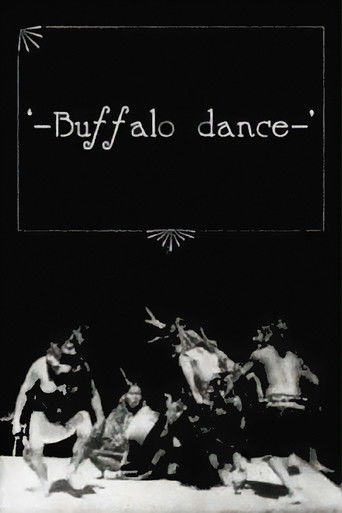
Hair Coat was cast in earliest days of cinema, specifically in Edison Manufacturing Company's 1894 short film 'Buffalo Dance. ' As one of the first Native American actors to be captured on film, Hair Coat was part of a group of performers from Buffalo Bill's Wild West Show who were brought to Thomas Edison's Black Maria studio in West Orange, New Jersey. The film, directed by William K.L. Dickson, featured Hair Coat and other performers including His Last Fight and Parts His Hair demonstrating traditional buffalo dance movements. His brief appearance in this 16-second film represents one of the earliest documented examples of Native American representation in motion pictures. Like many early film performers, particularly Native Americans, little detailed biographical information survives about his life beyond this single screen appearance. His participation in these early Edison experiments helped establish the visual vocabulary for depicting Native American culture in cinema, even if through the limited and often stereotypical lens of the period.
The Craft
On Screen
Performed traditional Native American dance movements for early motion picture cameras, likely adapting ceremonial movements for the Edison studio's recording equipment
Milestones
- Appeared in Edison's 'Buffalo Dance' (1894), one of the earliest motion pictures featuring Native American performers
Best Known For
Iconic Roles
Must-See Films
Working Relationships
Worked Often With
Studios
Why They Matter
Impact on Culture
Hair Coat's appearance in 'Buffalo Dance' represents a significant moment in cinema history as one of the earliest documented examples of Native American performers on film. While his screen time was brief and the film itself was only 16 seconds long, it contributed to the visual representation of Native American culture in motion pictures. These early Edison films, though made through the colonial lens of the time, preserve some of the earliest moving images of Native American performers and their cultural expressions. The film became part of the foundation of how Native Americans would be portrayed in cinema for decades to come, influencing both authentic and stereotypical representations.
Lasting Legacy
Hair Coat's legacy is preserved through his participation in one of cinema's earliest surviving films featuring Native American performers. 'Buffalo Dance' remains an important historical document of both early motion picture technology and Native American performance culture from the 1890s. As one of the first Native Americans captured on film, Hair Coat represents the beginning of Native American presence in cinema, a presence that would evolve dramatically over the following century. His work, though brief, is studied by film historians and scholars of Native American cinema as a foundational moment in the representation of Indigenous peoples in motion pictures.
Who They Inspired
While Hair Coat's direct influence on later performers is difficult to trace due to the limited documentation of early film performers, his participation in early cinema helped establish the precedent for Native American representation in motion pictures. The Edison films featuring Native American performers like Hair Coat influenced how subsequent filmmakers approached depicting Native American culture and dance on screen, for better or worse. These early moving images became reference points for both authentic cultural preservation and problematic stereotypes that would persist throughout Hollywood history.
Off Screen
Very little is known about Hair Coat's personal life beyond his appearance in early cinema. Like many Native American performers of the 1890s, he was likely associated with Buffalo Bill's Wild West Show, which was a major employer of Native American performers during this period. The show provided employment for many Native Americans while also presenting their culture to American and European audiences through performances and demonstrations.
Did You Know?
- 'Buffalo Dance' was filmed at Edison's Black Maria studio in West Orange, New Jersey
- The film was only 16 seconds long but required multiple takes to capture the dance properly
- Hair Coat performed alongside two other Native American performers: His Last Fight and Parts His Hair
- The film was shot on 35mm film using Edison's Kinetograph camera
- All performers in the film were likely members of Buffalo Bill's Wild West Show
- The Edison Company produced several similar films featuring Native American performers in 1894
- 'Buffalo Dance' was one of the first films to depict Native American cultural practices
- The film was exhibited in Edison's Kinetoscope peep-show devices
- Hair Coat's name appears to be a descriptive English name rather than his traditional Native name
- The performers wore traditional regalia for the filming, including feathered headdresses
Frequently Asked Questions
Who was Hair Coat?
Screen credits include Edison Manufacturing Company's 1894 film 'Buffalo Dance,' making him one of the earliest Native American actors captured on motion picture film.
What films is Hair Coat best known for?
Titles linked here include Buffalo Dance (1894).
When was Hair Coat born and when did he die?
Specific birth and death dates for Hair Coat are not documented in historical records, as was common for many Native American performers of the 1890s, especially those who appeared in early films.
What awards did Hair Coat win?
Hair Coat did not receive any formal awards or recognition during his lifetime, as he was active before the establishment of cinema awards and during the very earliest days of motion picture history.
What was Hair Coat's acting style?
Hair Coat performed traditional Native American dance movements adapted for the early motion picture camera, demonstrating ceremonial buffalo dance movements in Edison's Black Maria studio for one of the first films ever made.
Why is Hair Coat significant in film history?
Hair Coat is significant as one of the first Native American performers captured on film, representing an important early moment in the representation of Indigenous peoples in cinema during its infancy in 1894.
Where was 'Buffalo Dance' filmed?
'Buffalo Dance' was filmed at Thomas Edison's Black Maria studio in West Orange, New Jersey, using Edison's Kinetograph camera in 1894.