Films
1 film
About Last Horse
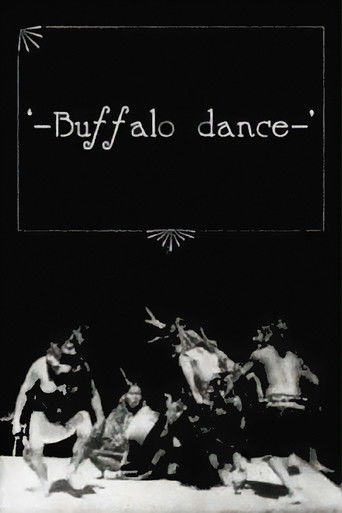
Last Horse was cast in one of the earliest motion pictures ever made, Buffalo Dance (1894). He was part of Buffalo Bill's Wild West Show, which provided performers for Edison Manufacturing Company's early film experiments. Like many Native American performers of this era, he was likely a member of a Plains tribe who performed traditional dances and ceremonies for entertainment audiences. His appearance in Buffalo Dance represents one of the first documented instances of Native American representation in cinema. The film was shot at Edison's Black Maria studio in West Orange, New Jersey, and showed Last Horse and other performers demonstrating a traditional buffalo dance. Unfortunately, like many performers from this period, particularly Native Americans, detailed biographical information about his life, tribe, and career beyond this single film appearance has been lost to history. His contribution, however brief, marks him as a pioneer in Native American representation in motion pictures.
The Craft
Milestones
- Appeared in Buffalo Dance (1894), one of the earliest motion pictures featuring Native American performers
- Participated in Edison Manufacturing Company's early film experiments
- Member of Buffalo Bill's Wild West Show performers who transitioned to film
Best Known For
Iconic Roles
Must-See Films
Working Relationships
Worked Often With
Studios
Why They Matter
Impact on Culture
Last Horse's appearance in Buffalo Dance (1894) represents a significant moment in cinema history as one of the first documented instances of Native American performers on film. While the film itself was brief and made for entertainment purposes, it inadvertently preserved a piece of Native American cultural performance that might otherwise have been lost. His participation in early cinema helped establish the precedent for Native American representation in motion pictures, though it would take many decades for authentic Native American voices to be properly heard in Hollywood. The film serves as an important historical document of both early cinema technology and Native American performance traditions.
Lasting Legacy
Last Horse's legacy lies in his role as one of the first Native American performers captured on film. While his individual story may be lost to history, his contribution to early cinema represents the beginning of Native American presence in motion pictures. The Buffalo Dance film remains an important artifact for film historians and Native American scholars alike, providing a rare glimpse into both early filmmaking techniques and traditional Native American performances. His appearance helped pave the way for future generations of Native American performers, even though authentic representation would remain a struggle throughout much of Hollywood's history.
Who They Inspired
As one of the earliest Native American performers in cinema, Last Horse influenced the trajectory of Native American representation in film, even if indirectly. His participation in Edison's early experiments demonstrated that Native American performers could be subjects for motion pictures, setting a precedent that would evolve over the following decades. While early cinema often exploited Native American culture for entertainment, performers like Last Horse maintained their cultural traditions even as they adapted to new mediums. Their willingness to participate in these early film experiments helped establish Native Americans as a presence in cinema from its very inception.
Off Screen
Virtually no personal information about Last Horse survives in historical records, which was common for Native American performers in the earliest days of cinema. Like many performers from Buffalo Bill's Wild West Show, he was likely recruited from various reservations or tribes to perform traditional dances and ceremonies for entertainment audiences. The lack of detailed documentation reflects the broader historical neglect of Native American individual identities and contributions during this period.
Did You Know?
- Buffalo Dance (1894) was only 16 seconds long and was one of the first films ever made
- The film was shot at Edison's Black Maria studio, the first film production studio in the world
- Last Horse was part of Buffalo Bill's Wild West Show, which provided performers for Edison's early films
- The film was directed by William K.L. Dickson, Thomas Edison's primary assistant in developing motion pictures
- Buffalo Dance was preserved by the Library of Congress and selected for the National Film Registry in 2003
- The film was made during the same period as Edison's other early Native American film, Sioux Ghost Dance
- Like many early films, Buffalo Dance was meant to be shown on Edison's Kinetoscope, a personal viewing device
- The performers were likely paid minimally for their appearance, as was common for performers in early cinema
Frequently Asked Questions
Who was Last Horse?
Screen credits include Buffalo Dance (1894), one of the earliest motion pictures ever made. He was a member of Buffalo Bill's Wild West Show who participated in Edison Manufacturing Company's early film experiments.
What film is Last Horse known for?
Last Horse is known exclusively for his appearance in Buffalo Dance (1894), a 16-second film made by Edison Studios that featured Native American performers demonstrating a traditional buffalo dance.
When was Last Horse active in film?
Last Horse's only known film appearance was in 1894, making him one of the earliest performers in cinema history. No other film credits or performances have been documented.
What was the significance of Buffalo Dance (1894)?
Buffalo Dance was one of the first motion pictures ever made and represents one of the earliest documented instances of Native American performers in cinema. The film was preserved by the Library of Congress and selected for the National Film Registry in 2003.
Why is there so little information about Last Horse?
Detailed biographical information about Native American performers from the earliest days of cinema is extremely scarce due to poor record-keeping, lack of proper credits, and historical neglect of Native American individual identities and contributions.
What was Buffalo Bill's Wild West Show?
Buffalo Bill's Wild West Show was a popular traveling entertainment show founded by William F. 'Buffalo Bill' Cody that featured performances by Native Americans, cowboys, and other frontier figures. The show provided performers for Edison's early film experiments.