Chief John Big Tree
Actor
Born: June 2, 1877 in Cattaraugus Reservation, New York, United States Died: July 6, 1967 Active: 1922-1936 Birth Name: Isaac Johnny John
Films
1 film
About Chief John Big Tree
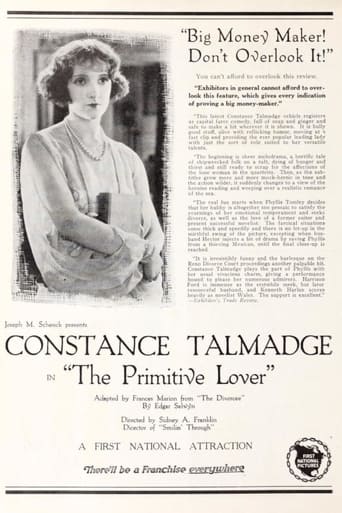
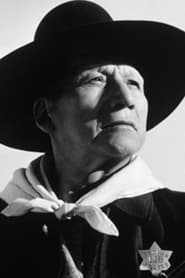
Chief John Big Tree, born Isaac Johnny John, was a Native American actor from the Seneca Nation who became one of the first authentic Indigenous performers in Hollywood during the silent film era. Standing over six feet tall with a commanding presence, he began his film career in 1922 with 'The Primitive Lover' and quickly became sought-after for Native American roles at a time when most such parts were filled by white actors in redface. Before entering films, he had gained recognition as a performer in Buffalo Bill's Wild West shows and as an actual chief of his tribe. His dignified screen presence and authentic representation brought a level of realism to Hollywood's portrayal of Native Americans that was rare for the period. Throughout his career, he appeared in numerous Westerns and historical dramas, often working as a cultural consultant to ensure accurate depictions of Indigenous customs and traditions. His both the silent and early sound eras, making him a figure for Native American representation in cinema. Beyond acting, he remained committed to preserving and promoting Native American culture through exhibitions, lectures, and cultural demonstrations.
The Craft
On Screen
Known for his natural, dignified portrayal of Native American characters, bringing authenticity and gravitas to roles that were often stereotyped. His acting style emphasized quiet strength and traditional Indigenous mannerisms, avoiding the exaggerated performances common in silent era Westerns.
Milestones
- Film debut in 'The Primitive Lover' (1922)
- Featured role in 'The Vanishing American' (1925)
- Cultural consultant for Hollywood productions
- Performances in Buffalo Bill's Wild West shows
- Advocacy for authentic Native American representation in film
Best Known For
Iconic Roles
Must-See Films
Accolades
Special Recognition
- Recognized as a Native American actor in Hollywood
- Honored by the Seneca Nation for cultural preservation
- Featured in exhibitions on Native American contributions to cinema
Working Relationships
Worked Often With
Studios
Why They Matter
Impact on Culture
Chief John Big Tree played a crucial role in challenging Hollywood's stereotypical portrayal of Native Americans during the early film era. As one of the first authentic Native American actors to gain prominence, he helped pave the way for future Indigenous performers and advocated for more realistic representations of Native American life and culture. His presence in films provided audiences with genuine depictions of Native American characters at a time when most roles were filled by non-Native actors. He worked behind the scenes as a cultural consultant, educating filmmakers about tribal customs, languages, and traditions. His contributions helped establish the precedent for authentic casting in Native American roles, a practice that would continue to evolve throughout cinema history. Beyond his film work, he served as an important cultural bridge between Native American communities and mainstream American society.
Lasting Legacy
Chief John Big Tree's legacy endures as a trailblazer for Native American representation in Hollywood and a preserver of Indigenous culture. His career demonstrated the importance of authentic casting and cultural accuracy in film, principles that continue to influence contemporary filmmaking. He is remembered not only for his performances but also for his role in educating Hollywood and the public about Native American traditions and perspectives. His work helped establish a foundation for future generations of Native American actors, directors, and filmmakers. The Seneca Nation continues to honor his contributions to both tribal preservation and American cinema. His life story serves as an important chapter in the broader narrative of Native American participation in the entertainment industry and the ongoing struggle for authentic representation.
Who They Inspired
Chief John Big Tree influenced subsequent generations of Native American actors by demonstrating that authentic Indigenous performers could succeed in Hollywood while maintaining their cultural identity. His dignified approach to performance set a standard for Native American representation that contrasted sharply with the caricatures common in early cinema. He inspired other Native Americans to pursue careers in film and television, helping to create a pathway for authentic voices in the industry. His work as a cultural consultant influenced how filmmakers approached Native American subjects, encouraging more research and respect for tribal traditions. Contemporary Native American actors and filmmakers often cite early pioneers like Chief John Big Tree as important figures who opened doors for authentic Indigenous storytelling in mainstream media.
Off Screen
Chief John Big Tree was deeply connected to his Seneca heritage throughout his life, maintaining his tribal responsibilities while pursuing his film career. He was married and had children who continued his legacy of cultural preservation. He balanced his Hollywood work with commitments to his tribe, often returning to the Cattaraugus Reservation for ceremonies and tribal governance. His home in Hollywood became a gathering place for other Native American performers and cultural ambassadors. He was known for his generosity in sharing his culture with non-Native Americans through educational programs and exhibitions.
Education
Traditional Seneca education and training in tribal customs and leadership; later participated in formal education programs for Native American children
Family
- Information not widely documented
Did You Know?
- Stood over 6 feet 4 inches tall, making him an imposing screen presence
- His profile was allegedly considered for the Buffalo nickel design
- Performed for royalty and heads of state during cultural exhibitions
- Spoke fluent Seneca language and served as a translator on film sets
- Was a genuine chief of the Seneca Nation, not just a ceremonial title
- Participated in the 1932 Winter Olympics as part of cultural demonstrations
- Appeared in over 30 films throughout his career
- Was one of the first Native American actors to receive screen credit
- Maintained traditional tribal dress and customs even while living in Hollywood
- Worked as a technical advisor on numerous Western films for authenticity
- His performances were studied by anthropologists for authentic tribal gestures
- He was a direct descendant of famous Seneca chief Red Jacket
In Their Own Words
We must show the white man our true ways, not the fantasies they have created about us
The camera can capture truth, but only if we bring our truth before it
I act not for fame, but so my people might be seen as they truly are
In Hollywood, I learned that sometimes the most powerful words are those left unsaid
Frequently Asked Questions
Who was Chief John Big Tree?
Screen credits include Hollywood films during the silent and early sound eras. He was known for bringing authenticity to Native American roles at a time when most such parts were played by white actors. Beyond acting, he was a genuine tribal chief and cultural ambassador who worked to preserve and promote Indigenous traditions.
What films is Chief John Big Tree best known for?
Titles linked here include The Primitive Lover (1922), The Vanishing American (1925).
When was Chief John Big Tree born and when did he die?
Born June 2, 1877; died July 6, 1967.
What awards did Chief John Big Tree win?
While Chief John Big Tree did not receive formal industry awards during his career era, he was honored by the Seneca Nation for his cultural preservation work and is recognized today as a figure in Native American cinema. His legacy includes opening doors for future Indigenous performers in Hollywood.
What was Chief John Big Tree's acting style?
Chief John Big Tree was known for his natural, dignified acting style that emphasized authentic Native American mannerisms and quiet strength. He avoided the exaggerated performances common in silent Westerns, instead bringing gravitas and realism to his roles. His tall stature and commanding screen presence made him particularly effective as a tribal leader or warrior character.
How did Chief John Big Tree impact Native American representation in film?
Trailblazer for authentic Native American representation in Hollywood, challenging the practice of casting white with credits in this catalog.' His work helped establish the importance of genuine Indigenous voices in film and paved the way for future Native American performers. He also served as a cultural consultant, educating filmmakers about tribal traditions and ensuring more accurate depictions.
Was Chief John Big Tree really a tribal chief?
Yes, Chief John Big Tree — genuine chief of the Seneca Nation, not just an actor playing a chief. His tribal leadership was legitimate and he maintained his responsibilities to his people throughout his film career. This authentic background gave him unique credibility in both Hollywood performances and cultural advocacy work.