Franciszek Brodniewicz
Actor
Born: November 18, 1892 in Mława, Russian Empire (now Poland) Died: 1944 Active: 1919-1944
Films
1 film
About Franciszek Brodniewicz
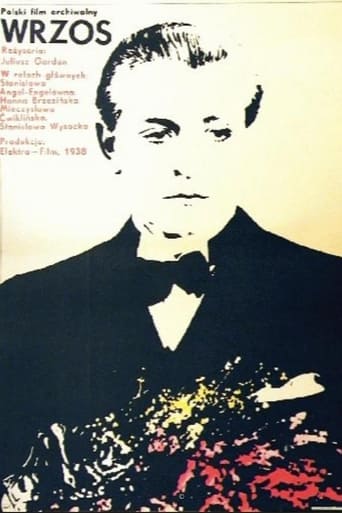
Franciszek Brodniewicz was one of Poland's most actors of the interwar period, renowned for his powerful stage presence and commanding voice. He began his theatrical career in 1919 after serving in World War I, quickly establishing himself as a leading actor in Warsaw's prestigious theaters. Throughout the 1920s and 1930s, he became a cultural icon in Poland, known for his versatility in both classical and contemporary roles. His transition to cinema in the 1930s was highly successful, with his performances in films like 'Wrzos' (1938) cementing his status as a national treasure. Brodniewicz was particularly celebrated for his interpretations of Shakespearean roles and his ability to convey deep emotional complexity on stage. During World War II, he participated in the Polish underground resistance, using his fame to support the war effort. Tragically, he was arrested by the Gestapo in 1944 and died in the Gross-Rosen concentration camp, becoming a martyr of Polish culture.
The Craft
On Screen
Classical theatrical style with powerful projection and dramatic intensity, known for his deep, resonant voice and commanding stage presence. His technique combined traditional Polish theatrical traditions with modern psychological realism, allowing him to excel in both classical and contemporary roles.
Milestones
- Stage debut at Polish Theatre in Warsaw (1919)
- Leading actor at Warsaw's National Theatre (1925-1939)
- Film debut in 'Młody las' (1934)
- Star role in 'Wrzos' (1938)
- Participation in Polish underground resistance during WWII
- Posthumous recognition as Righteous Among the Nations candidate
Best Known For
Iconic Roles
Must-See Films
Accolades
Won
- Gold Cross of Merit (Poland, 1938)
- Order of Polonia Restituta (pre-WWII)
Nominated
- Polish Film Awards nominations (1930s era)
- Theatre Critics' Award for Best Actor (multiple years)
Special Recognition
- Streets named after him in multiple Polish cities
- Theatrical awards established in his memory
- Posthumous recognition as Polish cultural hero
- Commemorative plaques at Warsaw theatres
Working Relationships
Worked Often With
Studios
Why They Matter
Impact on Culture
Franciszek Brodniewicz represented the pinnacle of Polish theatrical artistry during the interwar period, embodying the cultural renaissance that characterized Poland between the World Wars. His performances helped establish Polish theatre as a sophisticated art form capable of competing with European theatrical traditions. His work in cinema helped legitimize Polish film as a serious artistic medium, and his tragic death during WWII made him a symbol of cultural resistance against oppression. His legacy continues to influence Polish acting traditions and remains a touchstone for discussions about the role of art in national identity.
Lasting Legacy
Brodniewicz's legacy endures through the continued reverence for his contributions to Polish theatre and cinema. He is remembered as one of Poland's greatest actors, whose artistic excellence was matched by his moral courage during the darkest period of Polish history. Theatrical institutions in Poland continue to honor his memory, and his recordings of theatrical performances are preserved as cultural treasures. His story serves as an inspiration for artists who believe in the power of art to transcend oppression and preserve national identity.
Who They Inspired
Brodniewicz influenced generations of Polish actors through his technical mastery and emotional depth. His approach to classical roles set new standards for Polish theatre, while his film work demonstrated how theatrical techniques could be adapted for the screen. Many post-war Polish actors cited him as a major influence, particularly in their approach to dramatic roles and their understanding of the actor's social responsibility.
Off Screen
Franciszek Brodniewicz was deeply committed to Polish culture and arts, viewing his work as a form of national service. He married twice, with his second marriage being to fellow actress Stanisława Wysocka. His personal life was marked by his dedication to theatrical excellence and his patriotic activities during the occupation of Poland. Despite his fame, he remained humble and accessible to fellow artists and the public.
Education
Studied at Polish theatrical schools and received private acting training from prominent Polish theatre directors of the era. His formal education was interrupted by World War I service.
Family
- First wife (name not widely documented, 1920s)
- Stanisława Wysocka (actress, 1930s-1944)
Did You Know?
- Spoke multiple languages fluently, including Polish, Russian, and French
- Was considered for international film roles but declined to focus on Polish cinema
- His voice was considered
- Participated in clandestine cultural activities during Nazi occupation
- His final performance was given in secret during the Warsaw Uprising
- Was offered escape opportunities but chose to remain in Poland
- His personal archives were preserved by colleagues during the war
- Considered the Polish equivalent of Laurence Olivier in terms of stature and talent
- Was a champion of contemporary Polish playwrights as well as classical works
- His death was mourned as a national tragedy in post-war Poland
In Their Own Words
The stage is not just entertainment; it is the soul of our nation speaking to itself.
In times of darkness, art becomes our only light and our strongest weapon.
To be an actor in Poland is to be a guardian of our culture and identity.
Every role I play is a prayer for Poland's future and a tribute to her past.
Frequently Asked Questions
Who was Franciszek Brodniewicz?
Franciszek Brodniewicz was one of Poland's most acclaimed actors of the interwar period, known for his powerful performances in both theatre and cinema. He was a cultural icon who represented the pinnacle of Polish artistic achievement before his tragic death in a concentration camp during World War II.
What films is Franciszek Brodniewicz best known for?
Titles linked here include Wrzos (1938), Młody las (1934).
When was Franciszek Brodniewicz born and when did he die?
Born November 18, 1892; died 1944.
What awards did Franciszek Brodniewicz win?
Brodniewicz received the Gold Cross of Merit in 1938 and the Order of Polonia Restituta before WWII. He also received multiple Theatre Critics' Awards for Best Actor and was posthumously honored with numerous cultural recognitions in Poland.
What was Franciszek Brodniewicz's acting style?
Brodniewicz was known for his classical theatrical style with powerful projection and dramatic intensity. He combined traditional Polish theatrical traditions with modern psychological realism, excelling in both classical Shakespearean roles and contemporary works with his deep, resonant voice and commanding presence.