
Juliusz Gardan
Director
Born: November 12, 1901 in Lwów, Poland (now Lviv, Ukraine) Died: December 29, 1944 Active: 1933-1938 Birth Name: Juliusz Gartenberg
Films
2 films
About Juliusz Gardan
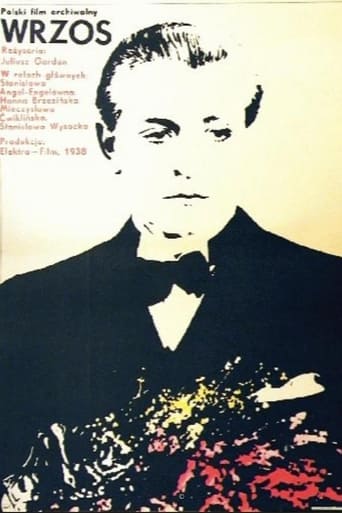
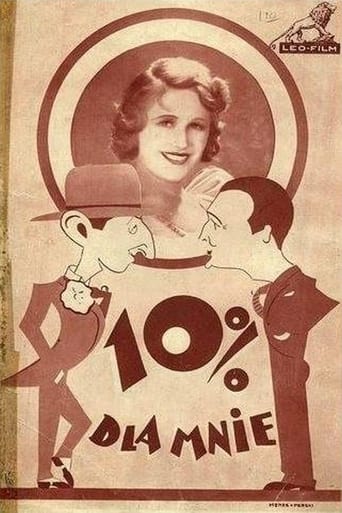
Polish film director who worked during the golden age of Polish cinema in the 1930s. He began his directorial career in 1933 with the film '10% dla mnie' (10% for Me), establishing himself as a competent filmmaker capable of handling both comedy and drama. His most acclaimed work came in 1938 with 'Wrzos' (Heather), a romantic drama based on the popular novel by Maria Rodziewiczówna, which showcased his ability to adapt literary works for the screen. Gardan's career was cut short by the outbreak of World War II, as the Nazi occupation effectively ended Polish film production until after the war. His films, particularly 'Wrzos,' are remembered for their technical quality and emotional depth, contributing to the pre-war Polish cinematic landscape. Though his directorial output was limited to a handful of films, Gardan demonstrated significant promise as a filmmaker who could bridge popular entertainment with artistic merit. His work of Poland's cinematic heritage from the interwar period.
The Craft
Behind the Camera
Gardan's directing style was characterized by a focus on emotional storytelling and strong character development, with particular skill in adapting literary works for the screen. He demonstrated a keen visual sense and ability to extract nuanced performances from his actors, particularly in dramatic roles. His approach combined technical competence with an understanding of Polish cultural sensibilities, making his films resonate with domestic audiences.
Milestones
- Directed debut film '10% dla mnie' (1933)
- Created acclaimed adaptation 'Wrzos' (1938)
- Worked with major Polish stars of the era
- Successfully adapted literary works for cinema
Best Known For
Must-See Films
Accolades
Special Recognition
- Recognized as part of Poland's pre-war cinema heritage
Working Relationships
Worked Often With
Studios
Why They Matter
Impact on Culture
Juliusz Gardan contributed to the development of Polish cinema during its formative years, helping establish a national film industry that could compete with international productions. His adaptation of Maria Rodziewiczówna's works helped bring Polish literature to the screen, creating a cultural bridge between literary and cinematic traditions. 'Wrzos' in particular became part of Poland's cultural memory, representing the sophistication and emotional depth that Polish cinema could achieve before the war. His films documented Polish society, values, and aesthetics of the interwar period, serving as important cultural artifacts for future generations.
Lasting Legacy
Gardan's legacy is primarily preserved through his surviving films, particularly 'Wrzos,' which remains an important example of pre-war Polish cinema. Though his career was brief and his life cut short by war, he is remembered as part of the generation of Polish filmmakers who established the country's cinematic voice. His work continues to be studied by film historians interested in the development of Polish national cinema and the adaptation of literature to film. His tragic death during the Warsaw Uprising also makes him part of the larger story of Polish cultural figures lost during World War II.
Who They Inspired
While Gardan's direct influence on subsequent filmmakers was limited by his early death, his work demonstrated the potential for Polish cinema to create emotionally resonant, culturally specific films. His successful adaptations of literary works provided a model for future Polish directors seeking to bridge literature and cinema. His films remain part of the foundation upon which post-war Polish cinema was built, influencing how filmmakers approached national stories and themes.
Off Screen
Juliusz Gardan (born Juliusz Gartenberg) came from a Jewish family in Lwów and changed his name for professional reasons. His life was tragically cut short during World War II, when he was killed during the Warsaw Uprising in 1944. His death represented not only a personal tragedy but also the loss of a promising Polish filmmaker whose career was interrupted by historical circumstances.
Education
Family
- Information not available
Did You Know?
- Changed his professional name from Gartenberg to Gardan, likely to make it more Polish-sounding and less identifiably Jewish
- 'Wrzos' (1938) was based on a popular novel by Maria Rodziewiczówna, one of Poland's most beloved authors of the time
- His active years covered only 5 years but produced some of the most memorable Polish films of the 1930s
- Died during the Warsaw Uprising at age 43, along with thousands of other Polish civilians and resistance fighters
- His films are rare treasures of pre-war Polish cinema, as many films from this period were destroyed during World War II
- Worked during a golden age of Polish cinema that produced approximately 150 films between 1930 and 1939
- His adaptation techniques for literary works were considered particularly sophisticated for the time
- The film 'Wrzos' starred Jadwiga Smosarska,
In Their Own Words
No documented quotes from Juliusz Gardan are available in historical records
Frequently Asked Questions
Who was Juliusz Gardan?
Polish on YTB.my. He was part of the generation of filmmakers who established Polish cinema during the interwar period before his career was cut short by World War II.
What films is Juliusz Gardan best known for?
Titles linked here include Wrzos (1938), 10% dla mnie (1933).
When was Juliusz Gardan born and when did he die?
Born November 12, 1901; died December 29, 1944.
What was Juliusz Gardan's directing style?
Gardan's directing style focused on emotional storytelling and strong character development, with particular skill in adapting literary works for the screen. He combined technical competence with an understanding of Polish cultural sensibilities.
How did World War II affect Juliusz Gardan's career?
World War II effectively ended Gardan's career when Nazi occupation halted Polish film production. He tragically died during the Warsaw Uprising in 1944, representing the loss of a promising filmmaker whose potential was never fully realized.