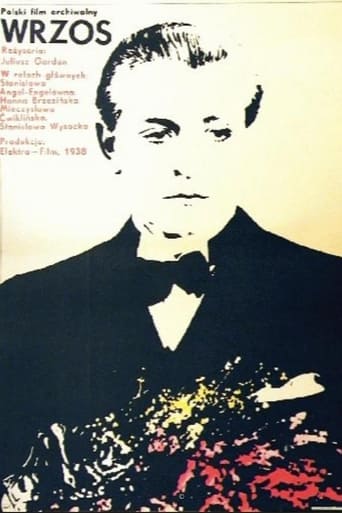
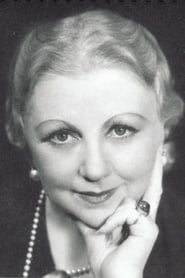
Mieczysława Ćwiklińska
Actor
Born: January 1, 1879 in Lublin, Poland Died: July 28, 1972 Active: 1900-1965
Films
1 film
About Mieczysława Ćwiklińska
Mieczysława Ćwiklińska was one of Poland's most beloved and versatile actresses of the early 20th century, whose over five decades across theater, film, and radio. Born into a theatrical family, she made her stage debut in 1900 and quickly established herself as a formidable talent in Warsaw's thriving theater scene. Her breakthrough came in the 1910s when she became a star of popular theater and cabaret, known for her comedic timing and dramatic range. During the interwar period, she transitioned successfully into cinema, appearing in numerous Polish films that showcased her remarkable versatility. Her performance in 'Wrzos' (1938) stands as one of her most memorable film roles, displaying her ability to blend humor with pathos. Despite the devastation of World War II, she continued performing throughout the occupation and post-war years, becoming a symbol of Polish cultural resilience. She remained active well into her later years, eventually retiring in the 1960s after a career that had made her a household name in Poland.
The Craft
On Screen
Known for her extraordinary versatility, Ćwiklińska excelled in both comedy and drama, with a particular talent for character roles that blended humor with deep emotional resonance. Her stage presence was commanding yet approachable, and she had a remarkable ability to switch between broad comedic timing and subtle, nuanced dramatic moments. She was particularly celebrated for her distinctive voice and impeccable diction, which made her equally effective in theater, film, and radio performances.
Milestones
- Stage debut in 1900 at Warsaw's Teatr Ludowy
- Breakthrough role in 'Moralność pani Dulskiej' (1907)
- Film debut in 'Śmierć Fiskera' (1916)
- Iconic performance in 'Wrzos' (1938)
- Post-war theater comeback at Teatr Współczesny
- Awarded Order of Polonia Restituta (1953)
- Final stage performance in 1965
Best Known For
Iconic Roles
Must-See Films
Accolades
Won
- Order of Polonia Restituta (Commander's Cross, 1953)
- Order of the Banner of Work (1st Class, 1959)
- State Award, 1st degree (1955)
Nominated
- Polish Film Awards (pre-war nominations for various performances)
Special Recognition
- Honored Artist of the Polish People's Republic (1955)
- Lifetime Achievement Award from Polish Theater Association (1960)
- Commemorative plaque at Warsaw's Teatr Współczesny
Working Relationships
Worked Often With
Studios
Why They Matter
Impact on Culture
Mieczysława Ćwiklińska became an integral part of Polish cultural identity during the tumultuous first half of the 20th century. Her performances helped define Polish theater and cinema during the interwar period, and her continued work during and after World War II made her a symbol of cultural resilience. She was among the first Polish actresses to successfully bridge the gap between stage and screen, helping establish the legitimacy of film acting in Poland. Her distinctive style and memorable characters influenced generations of Polish performers and contributed to the development of a uniquely Polish approach to both comedy and drama.
Lasting Legacy
Ćwiklińska's legacy endures as one of Poland's most respected and beloved actresses, with her name still synonymous with theatrical excellence and artistic integrity. Her performances continue to be studied in Polish drama schools, and several of her films remain classics of Polish cinema. The annual Mieczysława Ćwiklińska Theater Award was established in her honor to recognize outstanding achievements in Polish theater. Her former Warsaw residence has been marked with a commemorative plaque, and several theaters have named stages or auditoriums after her. Her recorded performances and radio plays are preserved in Polish cultural archives and occasionally rebroadcast, introducing new generations to her remarkable talent.
Who They Inspired
Her naturalistic yet expressive acting style influenced the development of Polish theater performance techniques, particularly in the realm of character acting. She demonstrated that actresses could maintain dignity and artistic integrity while working in popular entertainment, paving the way for future generations of Polish women in the performing arts. Her ability to transition seamlessly between comedy and drama expanded the possibilities for Polish actresses, who often found themselves typecast in one genre or another. Many prominent Polish actresses have cited her as an inspiration, particularly for her longevity and continued relevance throughout different political and cultural periods.
Off Screen
Mieczysława Ćwiklińska led a relatively private personal life despite her immense public fame. She never married and dedicated her life entirely to her art and craft. She was known for her close relationships with fellow theater artists and maintained a small circle of trusted friends throughout her life. During World War II, she participated in underground cultural activities and risked her life to help preserve Polish culture during the occupation. She spent her final years in Warsaw, surrounded by admirers and former colleagues, and was buried at the Powązki Cemetery.
Education
Graduated from Warsaw's drama school (private acting classes with prominent theater teachers of the era)
Did You Know?
- She was one of the few Polish actresses to successfully maintain her career through both World Wars
- Her distinctive voice made her particularly popular on radio, where she performed for decades
- She was known for her photographic memory and could recall entire plays after reading them once
- During WWII, she performed in secret underground theaters to maintain Polish cultural resistance
- She never married, stating that her true love was the theater
- Her performance in 'Wrzos' was so powerful that it was used as a teaching tool in Polish acting schools
- She was fluent in multiple languages, which helped her work with international directors
- She was one of the first Polish actresses to receive the title of 'People's Artist'
- Her final stage performance was at age 86, demonstrating remarkable stamina and dedication
- A street in Warsaw was named after her in recognition of her contributions to Polish culture
In Their Own Words
The stage is my home, and the audience is my family
In every character, I find a piece of myself and a piece of Poland
Art must endure, even when nations fall
To make people laugh is a sacred responsibility
The theater is not a building, but a living, breathing soul of the nation
Frequently Asked Questions
Who was Mieczysława Ćwiklińska?
Legendary Polish actress whose active years covered over 60 years in theater, film, and radio. She was one of Poland's most beloved performers, known for her versatility in both comedy and drama, and became a cultural icon who symbolized Polish artistic resilience throughout the tumultuous 20th century.
What films is Mieczysława Ćwiklińska best known for?
Titles linked here include Wrzos (1938), Znachor (1937).
When was Mieczysława Ćwiklińska born and when did she die?
Born January 1, 1879; died July 28, 1972.
What awards did Mieczysława Ćwiklińska win?
She received numerous prestigious honors including the Commander's Cross of the Order of Polonia Restituta (1953), the Order of the Banner of Work (1st Class, 1959), the State Award, 1st degree (1955), and was named an Honored Artist of the Polish People's Republic in 1955.
What was Mieczysława Ćwiklińska's acting style?
Her acting style was characterized by extraordinary versatility, seamlessly blending comedic timing with dramatic depth. She was known for her distinctive voice, impeccable diction, and ability to create memorable characters that resonated with Polish audiences. Her naturalistic yet expressive approach influenced generations of Polish performers.