Films
1 film
About George A. Williams
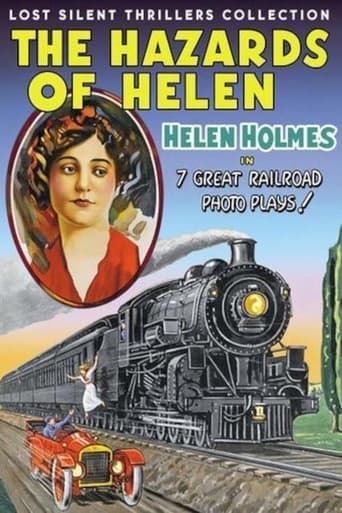
Character actor during the silent film era, primarily active in 1915. George appears in the popular serial film 'The Hazards of Helen,' which was successful film serials of the 1910s, starring Helen Holmes. His appearance in Episode 13, 'The Escape on the Fast Freight,' represents one of his few known film credits from this period. Like many actors of the early silent era, Williams was likely part of the large pool of supporting players who populated the burgeoning Hollywood studio system. The film industry was still in its infancy during his career, and many actors from this period have sparse surviving records. His work in 'The Hazards of Helen' places him among the pioneers of American cinema, contributing to the development of the action-adventure genre in serial films. Unfortunately, detailed information about his broader career and life remains limited, which is common for many supporting actors from this early period of filmmaking.
The Craft
Milestones
- Appeared in 'The Hazards of Helen' serial (1915)
- Performed in Episode 13: 'The Escape on the Fast Freight'
Best Known For
Must-See Films
Working Relationships
Worked Often With
Studios
Why They Matter
Impact on Culture
George A. Williams, though a minor figure in film history, contributed to the early development of American cinema through his work in 'The Hazards of Helen.' This serial was groundbreaking for its time, featuring a strong female protagonist and thrilling action sequences that helped establish conventions of the action-adventure genre. The serial format itself was innovative, creating recurring audiences and demonstrating the commercial viability of extended narrative cinema. While Williams' individual contribution was small, he was part of the collective effort that established Hollywood as the center of global film production.
Lasting Legacy
George A. Williams represents the thousands of anonymous performers who built the foundation of American cinema during its formative years. While not a star whose name endured in film history, his participation in 'The Hazards of Helen' connects him to. The serial itself remains historically important for its portrayal of an independent, action-oriented female character at a time when such representations were rare. Williams' legacy is that of a working actor who contributed to the entertainment of early film audiences and helped establish the patterns of studio production that would define Hollywood for decades.
Who They Inspired
As a supporting actor in the early silent era, George A. Williams' direct influence on subsequent generations of performers is difficult to trace. However, his work in 'The Hazards of Helen' contributed to the success of a format that would influence countless future film serials and television series. The serial's emphasis on action, suspense, and recurring characters helped establish storytelling techniques that would become staples of popular entertainment.
Off Screen
Very little is known about George A. Williams' personal life, which is typical for many supporting actors from the silent era who did not achieve star status. Like many performers of this period, detailed biographical information was not systematically preserved.
Did You Know?
- 'The Hazards of Helen' was one of the longest film serials ever produced, with 119 episodes released between 1914 and 1917
- The serial was so popular that it spawned two versions - one starring Helen Holmes and another starring Helen Gibson
- Episode 13, 'The Escape on the Fast Freight,' was part of the first 26 episodes directed by J.P. McGowan
- The Kalem Company, which produced the serial, was one of the early motion picture studios that helped establish Hollywood
- Many actors from early serials like 'The Hazards of Helen' performed their own stunts, as stunt doubles were not yet common
- Film serials like 'The Hazards of Helen' were typically shown one episode per week, creating early appointment viewing
- The serial's success helped establish the action-adventure genre in American cinema
Frequently Asked Questions
Who was George A. Williams?
American with credits in this catalog.' He was a supporting actor who appeared in Episode 13, 'The Escape on the Fast Freight,' contributing to.
What films is George A. Williams best known for?
Titles linked here include The Hazards of Helen: Episode 13, The Escape on the Fast Freight (1915).
When was George A. Williams born and when did he die?
Unfortunately, specific birth and death dates for George A. Williams are not available in historical records, which is common for many supporting actors from the silent era who did not achieve star status.
What awards did George A. Williams win?
George A. Williams did not receive any known awards or nominations during his brief film career. The Academy Awards were not established until 1929, well after his known period of activity in 1915.
What was George A. Williams' acting style?
Specific details about George A. Williams' acting style are not documented in available historical records. As a supporting actor in silent films, he would have used the exaggerated gestures and facial expressions typical of the era to convey emotion and meaning to audiences without dialogue.