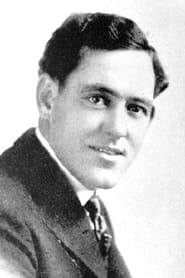
Leo D. Maloney
Actor & Director
Born: December 4, 1888 in San Jose, California, USA Died: November 2, 1929 Active: 1911-1929 Birth Name: Leo Daniel Maloney
Films
1 film
About Leo D. Maloney
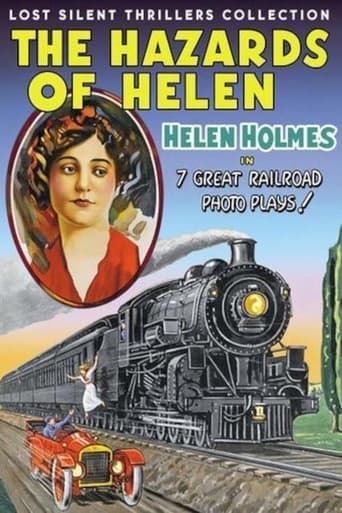
Made significant contributions to silent era cinema, particularly in the Western genre. Born in San Jose, California in 1888, he began his film career around 1911 and quickly established himself as a versatile performer in the rapidly growing motion picture industry. Maloney worked extensively with major studios of the era including Universal, Vitagraph, and his own production company, Leo Maloney Productions. Leo appears in over 200 films as an actor, often playing rugged, authoritative characters in Westerns and action serials. As a director, he helmed more than 40 films, demonstrating a keen understanding of visual storytelling and action choreography. His work on 'The Hazards of Helen' serial in 1915 showcased his ability to direct thrilling action sequences while also performing in front of the camera. Maloney's career was cut tragically short when he died of heart failure in 1929 at the age of 40, just as the transition to sound films was beginning, leaving behind a substantial legacy in silent cinema.
The Craft
On Screen
Maloney was known for his naturalistic yet commanding screen presence, often portraying rugged cowboys, lawmen, and authority figures. His acting style embodied the masculine ideals of the silent era, with expressive physicality and intense gazes that conveyed emotion without dialogue. He excelled in action sequences, performing many of his own stunts and bringing authenticity to Western roles. His performances were characterized by a straightforward, no-nonsense approach that resonated with audiences of the time.
Behind the Camera
As a director, Maloney demonstrated a remarkable ability to stage dynamic action sequences and maintain narrative momentum in serial formats. His directing style emphasized visual storytelling, using the camera to enhance the dramatic impact of chase scenes and stunts. He had a practical approach to filmmaking, often shooting on location to add authenticity to his Westerns. Maloney's direction showed an understanding of pacing and suspense, crucial elements for the serial format in which he frequently worked.
Milestones
- Prolific actor in over 200 silent films
- Directed more than 40 films
- Founded Leo Maloney Productions
- Key contributor to 'The Hazards of Helen' serial
- Pioneered action sequences in Western cinema
- Worked with major studios including Universal and Vitagraph
Best Known For
Iconic Roles
Must-See Films
Accolades
Special Recognition
- Recognized as a significant contributor to early American Western cinema
- Remembered as one of the actor-directors of the silent era
Working Relationships
Worked Often With
Studios
Why They Matter
Impact on Culture
Leo D. Maloney played a significant role in shaping the American Western genre during its formative years in silent cinema. His work on serials like 'The Hazards of Helen' helped establish conventions for action sequences and cliffhanger endings that would influence generations of filmmakers. As both an actor and director, he contributed to the development of the star system in early Hollywood, demonstrating how performers could successfully transition behind the camera. Maloney's films reflected and reinforced American frontier mythology during a period when the nation was undergoing rapid modernization, providing audiences with escapist entertainment that celebrated rugged individualism and moral clarity.
Lasting Legacy
Leo D. Maloney's legacy lies in his substantial contributions to silent era cinema, particularly in the Western and serial genres. His extensive filmography, though largely lost to time due to the deterioration of early film stock, represents an important chapter in American film history. As one of the early actor-directors, he helped pave the way for future filmmakers to take control of their creative vision by establishing their own production companies. His work continues to be studied by film historians and preservationists seeking to understand the evolution of American cinema. Maloney's career shows the entrepreneurial spirit and creative innovation that characterized the early days of Hollywood.
Who They Inspired
Maloney influenced subsequent generations of Western filmmakers through his practical approach to action sequences and location shooting. His work on serial formats demonstrated effective techniques for building suspense and maintaining audience engagement across multiple installments. Many of the visual storytelling techniques he employed in silent films would later be adapted and refined by sound era directors. His success as both actor and director inspired other performers to explore dual roles in filmmaking, contributing to the development of more collaborative and multifaceted approaches to movie production.
Off Screen
Leo D. Maloney was married to actress Helen Holmes, his co-star from 'The Hazards of Helen' series. Their marriage was both personal and professional, with the couple often working together on film projects. Maloney was known in Hollywood circles as a hardworking and dedicated filmmaker who was passionate about the Western genre. His sudden death at age 40 was a shock to the film community, occurring just as he was preparing to transition into sound films. He left behind his wife and a body of work that continues to be studied by film historians interested in silent era cinema.
Education
Limited formal education; primarily self-taught in the film industry through practical experience
Family
- Helen Holmes (1919-1929)
Did You Know?
- Was married to his 'Hazards of Helen' co-star Helen Holmes
- Directed and acted in the same film on numerous occasions
- Founded his own production company, Leo Maloney Productions
- Appeared in over 200 films during his 18-year career
- Died of heart failure at age 40 in New York City
- Was one of the few filmmakers who successfully transitioned from acting to directing in the silent era
- Many of his films are now considered lost due to the deterioration of nitrate film stock
- Specialized in Westerns and action serials
- Performed many of his own stunts, contributing to the authenticity of his action scenes
- His active years covered the entire silent era, from its early years to the cusp of the sound revolution
In Their Own Words
The Western is more than just a genre—it's the American story on film
In pictures, action speaks louder than words ever could
A good serial keeps 'em coming back for more, that's the secret
The camera doesn't lie, so you'd better be ready for your close-up
Frequently Asked Questions
Who was Leo D. Maloney?
American actor and on YTB.my. He appeared in over 200 films and directed more than 40 during his career from 1911 to 1929, establishing himself as a significant contributor to early American cinema.
What films is Leo D. Maloney best known for?
Titles linked here include The Hazards of Helen: Episode 13, The Escape on the Fast Freight (1915), The Man from the West (1924).
When was Leo D. Maloney born and when did he die?
Born December 4, 1888; died November 2, 1929.
What awards did Leo D. Maloney win?
Leo D. Maloney did not receive formal awards during his career, as the award systems we know today were not established during most of his active years. However, he is recognized by film historians as a significant contributor to early American cinema and the Western genre.
What was Leo D. Maloney's directing style?
Maloney's directing style emphasized dynamic action sequences and visual storytelling, particularly effective in serial formats. He was known for his practical approach to filmmaking, often shooting on location for authenticity in Westerns, and had a keen understanding of pacing and suspense that kept audiences engaged across multiple episodes.