
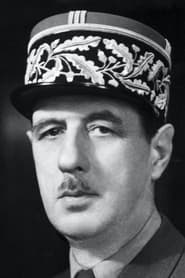
Charles de Gaulle
Actor
Born: November 22, 1890 in Lille, France Died: November 9, 1970 Active: 1943-1944 (film appearances) Birth Name: Charles André Joseph Marie de Gaulle
Films
2 films
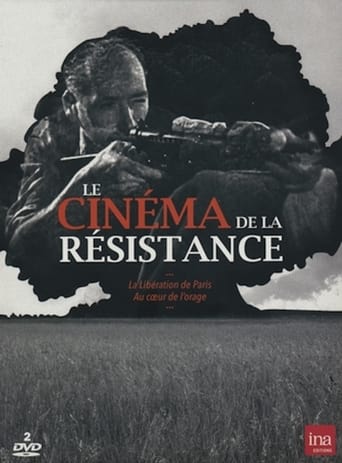
About Charles de Gaulle
Charles de Gaulle was primarily known as a French military officer and statesman rather than a professional actor. Born in 1890, he rose to prominence during World War II as the leader of the Free French Forces against Nazi occupation. His appearances in cinema were limited to documentary and newsreel footage where he appeared as himself, most notably in Frank Capra's 'Why We Fight' series and films documenting the liberation of Paris. After the war, he served as Prime Minister and later as President of France from 1959 to 1969. His film appearances were incidental to his historical role rather than representing an acting career. These documentary appearances captured his leadership during pivotal moments in World War II, preserving his image and speeches for historical record.
The Craft
On Screen
Not applicable - appeared as himself in documentary footage
Milestones
- Leader of Free French Forces during WWII
- Appeared in Frank Capra's 'Why We Fight' documentary series
- Featured in 'The Liberation of Paris' documentary
- Became President of France (1959-1969)
- Led French Resistance against Nazi occupation
Best Known For
Iconic Roles
Must-See Films
Accolades
Special Recognition
- Order of the Liberation
- Grand Cross of the Legion of Honour
- War Cross 1939-1945
- Medaille de la Resistance
Working Relationships
Worked Often With
Why They Matter
Impact on Culture
Charles de Gaulle's appearances in wartime documentaries helped shape international perception of French resistance during World War II. His presence in these films served as powerful propaganda tools, demonstrating that France continued to fight despite occupation. The documentary footage preserved his iconic speeches and appearances for future generations, contributing to his mythic status in French history. His image in these films became synonymous with French defiance and national pride during one of the country's darkest periods.
Lasting Legacy
While not remembered as a film personality, Charles de Gaulle's documentary appearances have become valuable historical artifacts that preserve the visual record of World War II leadership. These films continue to be studied by historians and filmmakers for their authentic portrayal of wartime events. His cinematic legacy lies in how these documentaries helped cement his image as the embodiment of French resistance and eventual liberation.
Who They Inspired
As a documentary subject rather than performer, de Gaulle influenced how historical leaders were portrayed in wartime cinema. His dignified presence and powerful speeches in these films set a standard for how political leadership could be captured authentically on camera. The footage of him has been reused in countless subsequent documentaries about World War II, making his image.
Off Screen
Charles de Gaulle married Yvonne Vendroux in 1921 and they had three children together: Philippe, Élisabeth, and Anne. His daughter Anne had Down syndrome and her care was a central part of his family life. He was known for his tall stature (6'4") and formal demeanor. The family maintained privacy despite his public role, and he was devoted to his wife and children throughout his life.
Education
École Spéciale Militaire de Saint-Cyr (graduated 1912)
Family
- Yvonne Vendroux (1921-1970)
Did You Know?
- Stood 6'4" tall, unusually tall for his era
- His famous 'Appel du 18 Juin' BBC broadcast in 1940 is considered one of history's most important speeches
- Survived at least 32 assassination attempts
- Wrote his memoirs while in exile during the war
- His nickname was 'Le Grand Charles' (The Great Charles)
- Founded the Fifth Republic of France
- His memoir 'War Memoirs' became an international bestseller
- Refused to attend Churchill's funeral in 1965 due to personal grievances
- Lived in exile in London from 1940-1944
- His presidential term lasted 10 years, longer than any other French president of the 20th century
In Their Own Words
France has lost a battle! But France has not lost the war! (June 18, 1940 BBC broadcast)
I have always had a certain idea of France
Treaties are like roses and young girls - they last while they last
The better I get to know men, the more I find myself loving dogs
How can you govern a country which has 246 varieties of cheese?
Frequently Asked Questions
Who was Charles de Gaulle?
French military officer and statesman who led the Free French Forces during World War II and later served as President of France from 1959 to 1969. He is considered one of France's most important historical figures of the 20th century.
What films is Charles de Gaulle best known for?
Titles linked here include Why We Fight: Divide and Conquer (1943), The Liberation of Paris (1944).
When was Charles de Gaulle born and when did he die?
Born November 22, 1890; died November 9, 1970.
What awards did Charles de Gaulle win?
While he received no film industry awards, de Gaulle was honored with numerous military and civil decorations including the Order of the Liberation, Grand Cross of the Legion of Honour, and War Cross 1939-1945 for his service during World War II.
What was Charles de Gaulle's acting style?
Charles de Gaulle was not a professional actor and had no acting style. His film appearances were limited to documentary and newsreel footage where he appeared as himself, delivering speeches and participating in historical events as the leader of Free France.