Films
1 film
About Walter Ackerman
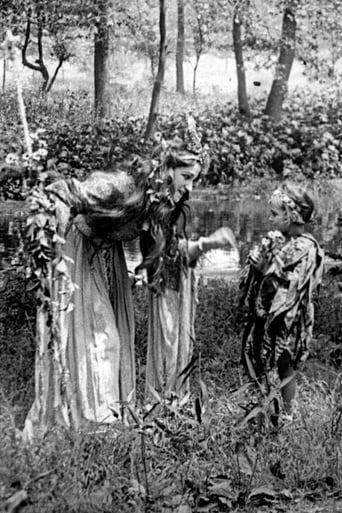
This archive lists one role for Walter Ackerman: A Midsummer Night's Dream (1909). Working in the silent film era of the late 1900s. His most notable documented work was in the 1909 adaptation of Shakespeare's 'A Midsummer Night's Dream,' which was among the first cinematic interpretations of the Bard's work. Ackerman was part of the generation of actors who transitioned from stage to the new medium of motion pictures, a time when acting techniques were still being developed for the camera. His career appears to have been brief, concentrated primarily around the year 1909, which was typical for many early film actors who either returned to legitimate theater or left the industry altogether. The 1909 production he appeared in was directed by J. Stuart Blackton for Vitagraph Studios, prolific early film companies. Like many actors of this period, Ackerman's contribution to cinema history represents the foundational work that would later evolve into the sophisticated art form of film acting. His brief appearance in film history coincides with a pivotal moment when cinema was transitioning from novelty to legitimate artistic expression.
The Craft
On Screen
As an actor from the earliest days of cinema, Walter Ackerman would have employed the theatrical acting style common to the period, characterized by exaggerated gestures and expressions necessary to convey emotion in silent films. His performance approach would have been influenced by stage acting traditions, as the transition from theater to film required actors to adapt their techniques for the camera's intimate perspective. Early silent film actors often used broad physical movements and dramatic facial expressions to ensure their performances were clear to audiences without the benefit of dialogue.
Milestones
- Appeared in 'A Midsummer Night's Dream' (1909), one of the earliest Shakespeare film adaptations
- Part of Vitagraph Studios' stock company during early cinema
- Contributed to the development of early film acting techniques
Best Known For
Iconic Roles
Must-See Films
Working Relationships
Worked Often With
Studios
Why They Matter
Impact on Culture
Walter Ackerman's contribution to cinema, though brief, represents the foundational work of actors who helped establish the language of film performance during its infancy. His participation in one of the earliest Shakespeare adaptations demonstrates how quickly filmmakers recognized the potential of adapting classic literature to the new medium. Actors like Ackerman were pioneers who helped bridge the gap between theatrical traditions and the emerging art of cinema, contributing to the development of acting techniques specifically suited for film. Their work, though often undocumented in detail, laid the groundwork for the sophisticated performances that would follow in subsequent decades of cinema history.
Lasting Legacy
Walter Ackerman's legacy is primarily that of an early cinema pioneer who participated in the formative years of filmmaking. While his name may not be widely recognized today, his contribution to the 1909 adaptation of 'A Midsummer Night's Dream' places him among the actors who helped establish cinema as a legitimate artistic medium. His work represents the transitional period when actors were adapting their craft from stage to screen, a crucial evolution in performing arts history. Like many early film actors, his legacy exists in the historical record of cinema's development rather than in a lasting body of work that continued through the decades.
Who They Inspired
As an actor from the earliest days of cinema, Walter Ackerman's direct influence on subsequent performers is difficult to trace, given his brief career. However, his work contributed to the collective experience of early film actors who helped establish the fundamental techniques of screen acting. The performances of actors like Ackerman in early films served as examples for subsequent generations of actors who would refine and develop more nuanced approaches to film performance. His participation in early literary adaptations helped demonstrate the potential for serious dramatic work in cinema, influencing the industry's direction toward more sophisticated storytelling.
Off Screen
Very little documented information exists about Walter Ackerman's personal life, which is typical for many actors from the earliest days of cinema who were not major stars. Like many of his contemporaries who had brief film careers, detailed biographical records were not systematically maintained during this era of filmmaking.
Did You Know?
- Appeared in one of the earliest film adaptations of Shakespeare's work
- Worked during the transition period when cinema was evolving from novelty to art form
- Part of Vitagraph Studios, one of America's first major film production companies
- His film career coincided with a pivotal year when American cinema was rapidly developing
- The 1909 'A Midsummer Night's Dream' was directed by J. Stuart Blackton, a cinema pioneer
- Early silent films like his were typically very short, often running 10-15 minutes
- Actors in this period often had backgrounds in legitimate theater
- Many early film actors like Ackerman returned to stage work after brief film careers
Frequently Asked Questions
Who was Walter Ackerman?
Screen credits include the 1909 film adaptation of 'A Midsummer Night's Dream.' He was part of the generation of actors who worked during the silent film era when cinema was still developing as an art form.
What films is Walter Ackerman best known for?
Titles linked here include A Midsummer Night's Dream (1909).
When was Walter Ackerman active in films?
Walter Ackerman's documented film career was concentrated in the year 1909, placing him among the earliest actors to work in American cinema during its formative years.
What was Walter Ackerman's acting style?
As an actor from the early silent film era, Ackerman would have used the theatrical acting style common to the period, featuring exaggerated gestures and expressions necessary to convey emotion without dialogue.
What studio did Walter Ackerman work with?
Walter Ackerman worked with Vitagraph Studios, one of America's earliest and most important film production companies, on their 1909 adaptation of 'A Midsummer Night's Dream'.