
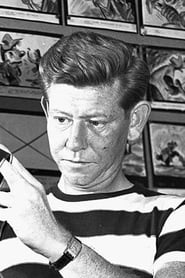
Wilfred Jackson
Director
Born: January 24, 1906 in Chicago, Illinois, USA Died: August 7, 1988 Active: 1928-1961 Birth Name: Wilfred Emory Jackson
Films
3 films
About Wilfred Jackson
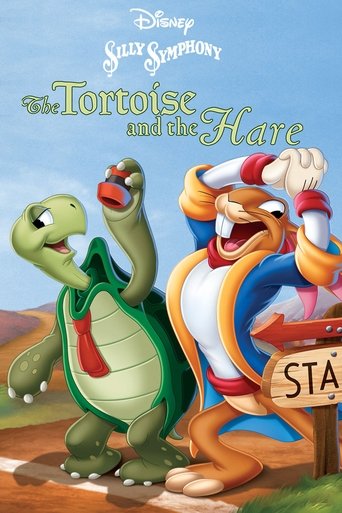
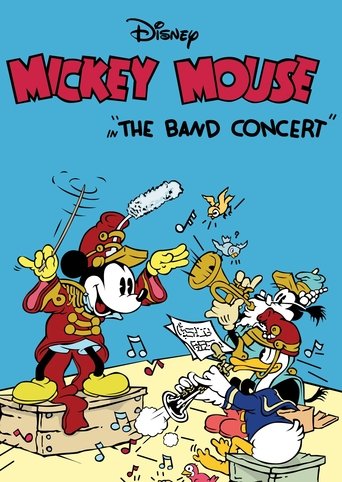
Wilfred Jackson was one of Walt Disney's most and influential directors, joining the studio in its earliest days in 1928. He began his career as an animator but quickly transitioned to directing, becoming one of the key creative forces behind Disney's early cartoons. Jackson directed the landmark 'Mickey's Follies' in 1929, which featured the first appearance of the song 'Minnie's Yoo Hoo' that would become Mickey's theme song. Throughout the 1930s, he directed numerous 'Silly Symphonies' shorts, helping establish the series as Disney's experimental playground for animation innovation. During Disney's golden age, Jackson directed segments for feature films including 'The Band Concert' (1935), Disney's first color Mickey cartoon, and contributed to 'Snow White and the Seven Dwarfs' (1937) as sequence director. He played crucial roles in the production of 'Fantasia' (1940), directing 'The Pastoral Symphony' and 'Dance of the Hours' segments, and continued directing through the 1950s on films like 'Peter Pan' (1953). Jackson retired from Disney in 1961 after over three decades of shaping the studio's artistic direction and animation techniques.
The Craft
Behind the Camera
Wilfred Jackson was known for his meticulous attention to musical timing and rhythm, often conducting the animation himself to ensure perfect synchronization between visuals and soundtracks. His directing approach emphasized character-driven storytelling with strong emotional cores, techniques in personality animation that gave Disney characters unprecedented depth and relatability. Jackson was particularly skilled at combining comedy with pathos, creating sequences that could make audiences laugh and cry within the same short. He was an innovator in using color and music to enhance storytelling, pushing the boundaries of what animation could achieve artistically and emotionally.
Milestones
- Directed 'Mickey's Follies' (1929), featuring Mickey's first theme song
- Directed 'The Band Concert' (1935), Disney's first color Mickey Mouse cartoon
- Directed multiple Academy Award-winning 'Silly Symphonies'
- Directed segments for 'Fantasia' (1940) including 'The Pastoral Symphony'
- Served as sequence director on 'Snow White and the Seven Dwarfs' (1937)
- Directed sequences for 'Peter Pan' (1953) and other Disney features
Best Known For
Must-See Films
Accolades
Won
- Academy Award for Best Animated Short Film - 'The Old Mill' (1937)
- Academy Award for Best Animated Short Film - 'The Ugly Duckling' (1939)
- Winsor McCay Award (1983)
Nominated
- Academy Award nomination for Best Animated Short Film - 'Mother Goose Goes Hollywood' (1938)
- Academy Award nomination for Best Animated Short Film - 'The Pointer' (1939)
Special Recognition
- Disney Legend Award (inducted posthumously)
- Winsor McCay Award for lifetime achievement in animation (1983)
- Hollywood Walk of Fame star (not applicable - studio-era directors rarely received individual stars)
Working Relationships
Worked Often With
Studios
Why They Matter
Impact on Culture
Wilfred Jackson's work fundamentally shaped the language of American animation, establishing techniques and standards that would influence generations of animators and directors. His work in synchronizing animation with music helped create the foundation for the modern animated musical format that Disney would perfect in later decades. Jackson's contributions to 'Silly Symphonies' pushed animation beyond simple gag-based entertainment into the realm of artistic expression, proving that animation could convey complex emotions and sophisticated storytelling. His direction of 'The Band Concert' established Mickey Mouse as a character capable of starring in sophisticated, musically complex productions, elevating the character beyond simple slapstick comedy.
Lasting Legacy
Wilfred Jackson's legacy endures through the countless animated films and television shows that continue to employ the techniques he helped develop. As one of Disney's Nine Old Men of animation's contemporaries, he helped establish Disney's reputation for technical excellence and artistic innovation that continues to define the studio's brand. His work on 'Fantasia' remains influential in how music and animation can be combined to create transcendent artistic experiences. Jackson's emphasis on character-driven storytelling and emotional authenticity in animation continues to influence how modern animators approach their craft, from feature films to television animation.
Who They Inspired
Jackson influenced an entire generation of Disney animators and directors who would go on to create the studio's golden age films of the 1940s and 1950s. His techniques in musical timing and character animation became standard practices at Disney and were adopted throughout the animation industry. Directors like Ward Kimball and animators like Frank Thomas and Ollie Johnston learned directly from Jackson's approach to storytelling and character development. His work on combining classical music with animation in 'Fantasia' paved the way for later experiments in the form, from Disney's own 'Fantasia 2000' to contemporary animated music videos and concert films.
Off Screen
Wilfred Jackson married Jane Leavitt in 1935, and they remained married until his death in 1988. The couple had two children together, and Jackson was known as a devoted family man who balanced his demanding career at Disney with his home life. Despite his significant contributions to animation history, Jackson maintained a relatively private personal life, rarely seeking the spotlight that some of his Disney contemporaries enjoyed. He was known among colleagues as a quiet, humble, and deeply religious man who approached his work with both artistic passion and technical precision.
Education
Attended Otis Art Institute in Los Angeles; largely self-taught in animation through early Disney studio experience
Family
- Jane Leavitt (1935-1988)
Did You Know?
- Jackson was one of the few Disney directors who could read music, which made him invaluable for directing musical cartoons
- He often conducted the orchestra himself during recording sessions to ensure perfect synchronization
- Jackson lost hearing in one ear as a child, which may have enhanced his sensitivity to musical timing and rhythm
- He was known for his methodical approach, often spending weeks planning a single short before animation began
- Jackson directed the first Mickey Mouse cartoon in color, 'The Band Concert' (1935)
- He was instrumental in developing the multiplane camera technique used in 'The Old Mill'
- Jackson worked on over 100 Disney shorts and features during his 33-year career
- He was known for his ability to direct both comedy and pathos, sometimes within the same cartoon
- Jackson retired from Disney in 1961 but continued to consult on animation projects
- He was posthumously named a Disney Legend in 2013 for his contributions to the studio
In Their Own Words
Animation can explain whatever the mind of man can conceive. This facility makes it the most versatile and explicit means of communication yet devised for quick mass appreciation.
The secret of good animation timing is to make the audience feel the rhythm before they see it.
Every character should have a soul, even if they're only on screen for a few seconds.
Frequently Asked Questions
Who was Wilfred Jackson?
American animation on YTB.my. He was one of Disney's earliest and most important directors, known for his work on Mickey Mouse cartoons, Silly Symphonies, and classic Disney features like Fantasia and Peter Pan.
What films is Wilfred Jackson best known for?
Titles linked here include Mickey's Follies (1929), The Band Concert (1935).
When was Wilfred Jackson born and when did he die?
Born January 24, 1906; died August 7, 1988.
What awards did Wilfred Jackson win?
Jackson won two Academy Awards for Best Animated Short Film for 'The Old Mill' (1937) and 'The Ugly Duckling' (1939). He also received the Winsor McCay Award for lifetime achievement in animation in 1983 and was posthumously named a Disney Legend in 2013.
What was Wilfred Jackson's directing style?
Jackson was known for his meticulous attention to musical timing and rhythm, often conducting animation himself to ensure perfect synchronization. His style emphasized character-driven storytelling with strong emotional cores, combining comedy with pathos, and he was an innovator in using color and music to enhance storytelling.
How did Wilfred Jackson influence Disney animation?
Jackson helped establish many of the technical and artistic standards that defined Disney's golden age. He pioneered techniques in personality animation, musical synchronization, and the use of color. His work on Silly Symphonies pushed animation beyond simple entertainment into artistic expression, influencing generations of Disney animators and directors.
Was Wilfred Jackson one of Disney's Nine Old Men?
No, Jackson was not one of Disney's famous Nine Old Men, but he was a contemporary and mentor to several of them. He was part of the generation of directors and animators who established Disney's early success and trained the Nine Old Men who would later define the studio's golden age.