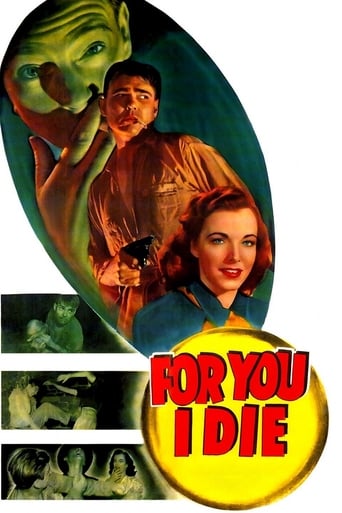
John Reinhardt
Director
Born: August 24, 1906 in Vienna, Austria-Hungary Died: July 18, 1953 Active: 1940-1953 Birth Name: Johann Reinhardt
Films
1 film
About John Reinhardt
Made significant contributions to Hollywood's film noir and B-movie genres during the 1940s. Born in Vienna in 1906, he began his career in European cinema before emigrating to the United States, where he established himself as a prolific director of low-budget but artistically ambitious films. His most notable work, 'For You I Die' (1947), exemplified his talent for creating atmospheric thrillers with limited resources, showcasing his ability to extract strong performances from actors working within tight production constraints. Reinhardt's career, though brief, was marked by a distinctive visual style that emphasized shadow and tension, elements that would become hallmarks of film noir. He was married to prominent actress Evelyn Keyes from 1946 until his untimely death in 1953, which cut short a promising career that had shown considerable artistic growth. Despite working primarily in the B-movie circuit, Reinhardt gained respect among his peers for his technical proficiency and ability to deliver compelling narratives on modest budgets. His films, while not commercially spectacular, have been rediscovered by film historians and noir enthusiasts as examples of efficient, stylish filmmaking during Hollywood's golden era.
The Craft
Behind the Camera
Reinhardt's directing style was characterized by efficient storytelling, atmospheric lighting, and a keen understanding of film noir aesthetics. He excelled at creating tension and mood through shadow and composition, often using low-key lighting techniques that emphasized the psychological aspects of his narratives. His approach was economical yet visually sophisticated, making the most of limited resources to create compelling visual narratives.
Milestones
- Directed 'For You I Die' (1947)
- Married actress Evelyn Keyes (1946-1953)
- Emigrated from Austria to establish Hollywood career
- Specialized in film noir and B-movie thrillers
- Known for working efficiently with limited budgets
Best Known For
Must-See Films
Accolades
Special Recognition
- Recognized by film noir historians for contributions to the genre
- Films featured in noir retrospectives and film festivals
Working Relationships
Worked Often With
Studios
Why They Matter
Impact on Culture
John Reinhardt contributed to the development of American film noir during its classic period, helping establish visual and narrative techniques that would influence the genre for decades. His work demonstrated how artistic merit could be achieved within commercial constraints, inspiring future generations of independent filmmakers. Reinhardt's films, though modest in budget, participated in the post-war exploration of American anxiety and moral ambiguity that characterized noir cinema. His European background brought a sophisticated visual sensibility to Hollywood B-movies, elevating their artistic quality beyond typical genre fare.
Lasting Legacy
Reinhardt's legacy lies in his contribution to film noir and his demonstration of artistic integrity within commercial filmmaking. Though his career was cut short, his films have been rediscovered and appreciated by film historians and noir enthusiasts. His marriage to Evelyn Keyes also cemented his place in Hollywood history, as their partnership represented one of the notable director-actor marriages of the era. Modern film scholars recognize Reinhardt as an example of the many talented immigrant directors who enriched American cinema during the studio system's golden age.
Who They Inspired
Reinhardt influenced subsequent generations of independent filmmakers through his efficient production methods and ability to create atmospheric films with limited resources. His visual style, particularly his use of shadow and composition, anticipated techniques that would become more common in later noir and thriller films. Directors working in low-budget genres have looked to his work as an example of how to maximize artistic impact within commercial constraints.
Off Screen
John Reinhardt married actress Evelyn Keyes in 1946, a union that lasted until his death in 1953. Keyes was a prominent Hollywood actress known for her roles in 'Gone with the Wind' and various film noir productions. Their marriage was notable in Hollywood circles, as Reinhardt — director while Keyes was an established star. The couple had no children together. Reinhardt died unexpectedly at age 47, cutting short both his career and marriage.
Education
Educated in Vienna, Austria; studied film and theater in Europe before emigrating to the United States
Family
- Evelyn Keyes (1946-1953)
Did You Know?
- Born in Vienna, Austria-Hungary, before it became modern Austria
- Married actress Evelyn Keyes who was 14 years younger than him
- Died at age 47, cutting short a promising directorial career
- Specialized in B-movies and film noir during Hollywood's golden age
- His films have been rediscovered by film noir enthusiasts in recent decades
- Worked primarily with smaller studios like Republic Pictures and Monogram
- For You I Die featured an early performance by actor Robert Lowery
- His European background influenced his visual approach to American noir
- Often completed films quickly and efficiently, a necessity in B-movie production
- His death in 1953 coincided with the decline of classic film noir
Frequently Asked Questions
Who was John Reinhardt?
Austrian-born American on YTB.my. He specialized in film noir and B-movies, with his most notable work being 'For You I Die' (1947). He was married to actress Evelyn Keyes from 1946 until his death in 1953.
What films is John Reinhardt best known for?
Titles linked here include For You I Die (1947), The Guilty (1947).
When was John Reinhardt born and when did he die?
Born August 24, 1906; died July 18, 1953.
What awards did John Reinhardt win?
John Reinhardt did not receive major industry awards during his lifetime, though his films have been recognized by film noir historians and featured in retrospectives. His contributions to the genre have been acknowledged in academic and critical circles long after his death.
What was John Reinhardt's directing style?
Reinhardt's directing style emphasized atmospheric lighting, efficient storytelling, and film noir aesthetics. He excelled at creating tension through shadow and composition, making the most of limited budgets to create visually sophisticated and psychologically compelling films.
Was John Reinhardt married to anyone famous?
Yes, John Reinhardt was married to actress Evelyn Keyes from 1946 until his death in 1953. Keyes was a prominent Hollywood actress known for her role as Suellen O'Hara in 'Gone with the Wind' and various film noir productions.
Why is John Reinhardt significant in film history?
Reinhardt is significant for his contributions to film noir and for demonstrating how artistic merit could be achieved within commercial B-movie constraints. His work represents the important role of immigrant directors in enriching American cinema during Hollywood's golden age.