Ben F. Wilson
Actor
- Died
- January 3, 1930
- Active
- 1912-1930
Films 1
About Ben F. Wilson
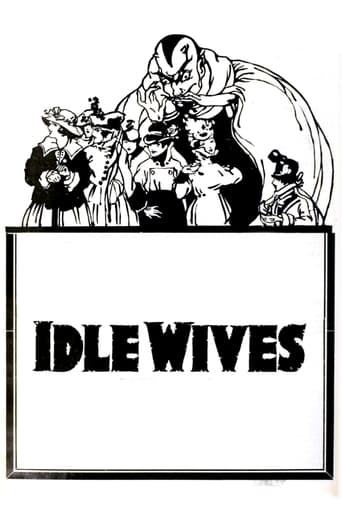
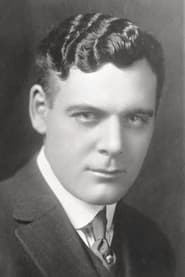
Ben F. Wilson was an American silent-era film actor, director, producer, and writer whose career placed him among the industrious multi-hyphenates of early Hollywood. He was active primarily in the 1910s and 1920s, working during the period when the American film industry was rapidly consolidating around studios, serials, and feature-length productions. Wilson is remembered today especially for his work behind the camera as well as in front of it, contributing to the development of low-budget action pictures, westerns, and serial programming that helped define silent-era popular entertainment. He also appeared as an actor in films such as Idle Wives (1916), illustrating the common early-cinema pattern in which filmmakers frequently performed multiple jobs on a production. Although he never became a major star of the highest tier, his extensive output and utility as a filmmaker made him a recognizable and reliable figure in the industry. Historical records indicate that he died relatively young, and his career was cut short before the sound era fully matured. His importance lies less in celebrity than in the foundational work of helping build the working grammar of American genre filmmaking in the silent period.
More about Ben F. Wilson
On screen
As a silent-era screen performer, Wilson's acting would have relied on the expressive, economical techniques typical of the period: clear physical gesture, direct emotional presentation, and broad but controlled facial expression suited to intertitles and nonverbal storytelling. Available historical evidence does not preserve detailed critical assessments of his personal screen manner, but his casting in functional genre and dramatic material suggests a practical, serviceable style that supported the narrative rather than drawing attention to itself.
In film history
Ben F. Wilson's cultural impact is best understood through the infrastructure of silent cinema rather than through star mythology. He represented the working filmmaker-actor of the early industry: someone who helped generate a steady stream of entertainments that kept theaters supplied with westerns, melodramas, and serial chapters. His career reflects the collaborative, entrepreneurial spirit that shaped early Hollywood before roles became rigidly specialized. By participating in multiple creative capacities, Wilson contributed to the practical evolution of genre filmmaking and to the audience habits that made silent popular cinema a nationwide cultural force.
Later reputation
Wilson's lasting legacy is as a competent and prolific participant in the silent film system, especially in the realms of action, western, and serial production. While he is not widely remembered by general audiences today, film historians value figures like Wilson because they illuminate how the early studio ecosystem functioned: through skilled, versatile workers whose names may not have remained famous but whose output helped define the medium. His work also survives as part of the larger record of silent-era genre cinema, an important component of American film history. For modern researchers and classic film enthusiasts, he stands as an example of the dependable craftsmen and performer-directors who made the silent screen commercially viable and artistically durable.
Influence
Ben F. Wilson influenced the silent-film landscape primarily through example rather than through a strongly identifiable personal school of acting or directing. His career demonstrates the early Hollywood model of creative flexibility, where artists often wrote, directed, produced, and performed in the same industry niche. That model influenced later studio-era practitioners in genre cinema, especially those working in efficient low-budget production environments. Although he is not commonly cited as a major stylistic innovator, his practical approach helped normalize the professional versatility that became characteristic of many early film workers.
Off screen
Publicly documented biographical information on Ben F. Wilson is limited, and many standard reference sources emphasize his professional activity more than his private life. He is known to have been married to actress and filmmaker Neva Gerber, who also worked in silent films and appeared in numerous productions of the era. Because he was active during the early decades of film history and left behind a comparatively modest paper trail, details about his family background, children, and household life are not widely preserved in accessible mainstream references. His death in 1930 marks the end of a career that bridged the pioneer days of cinema and the mature silent-film industry.
Credits
- Worked extensively in silent films as both an actor and filmmaker during the formative years of Hollywood
- Appeared in Idle Wives (1916), a title associated with his acting work in the mid-1910s
- Built a substantial career in directing and producing action-oriented, western, and serial films
- Was part of the generation of early film professionals who routinely moved between acting, directing, writing, and producing
- Contributed to the craft and industrial growth of low-budget genre cinema in the silent era
Roles
- The exact character names for Ben F. Wilson in surviving sources are not consistently documented
Films
- Idle Wives (1916)
- Serials and westerns from the silent era associated with his directing and producing career
Collaborators
- Neva Gerber
- Silent-era western and serial production personnel
Studios
- Independent silent-film production companies
- Early Hollywood genre production units
Family
- Neva Gerber
Notes
- He is one of many early filmmakers whose career spanned acting, directing, producing, and writing in the silent era.
- He appeared in Idle Wives (1916), which is the clearest surviving acting credit often associated with him in modern references.
- He was married to silent-screen performer Neva Gerber, linking him to another working figure of early Hollywood.
- His career illustrates how common it was for early filmmakers to move fluidly between creative roles rather than specializing in just one.
- He died in 1930, relatively early in the sound era, before many silent-era veterans had a chance to fully transition.
- His name is sometimes overshadowed by better-known silent-era stars and directors, even though he was a prolific industry worker.
- He is associated with the production of genre entertainment, especially westerns and serial-style programming, which were major audience draws of the era.
Questions
Who was Ben F. Wilson?
Ben F. Wilson was an American silent-era film actor, director, producer, and writer. He worked during the formative years of Hollywood and contributed to the industry through genre pictures, especially westerns and serial-type entertainment.
What films is Ben F. Wilson best known for?
He is associated with Idle Wives (1916) as an acting credit, but his broader reputation comes from his silent-era directing and producing work in westerns and action-oriented films. Surviving references more often emphasize his career as a versatile filmmaker than a single breakout performance.
When was Ben F. Wilson born and when did he die?
His exact birth date and birth place are not consistently documented in the accessible sources used here. He died on January 3, 1930.
What awards did Ben F. Wilson win?
No major awards or formal honors are widely documented for Ben F. Wilson in the standard historical record. His importance is primarily historical and industrial rather than award-based.
What was Ben F. Wilson's acting style?
As a silent-era performer, his acting would have depended on expressive physical communication, clear gesture, and visible emotional readability. His screen work appears to have been practical and narrative-focused, in keeping with the conventions of early cinema.
What was Ben F. Wilson's legacy in film history?
His legacy lies in the foundational, workmanlike side of silent-era filmmaking. He helped shape the production culture of early Hollywood through efficient genre films and by embodying the multi-skilled filmmaker common in cinema's early decades.