
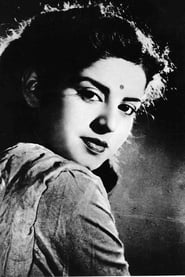
Kalpana Kartik
Actor
Born: September 19, 1931 in Lahore, Punjab, British India (now Pakistan) Active: 1951-1960 Birth Name: Mona Singh
Films
1 film
About Kalpana Kartik
Kalpana Kartik, born Mona Singh, was a prominent Indian actress who rose to fame during the early Golden Age of Bollywood cinema in the 1950s. She made her debut in the 1951 film 'Baazi' opposite Dev Anand, which was directed by Guru Dutt and marked a significant milestone in her career. Her natural beauty and screen presence quickly made her a sought-after actress in the Indian film industry. She went on to star in several successful films throughout the 1950s, including 'Aandhiyan' (1952), 'Humsafar' (1953), and 'House No. 44' (1955). Her career took a romantic turn when she fell in love with and married Dev Anand in 1954, after which she gradually reduced her film appearances. Despite her relatively short career span of about a decade, she on Indian cinema with her memorable performances and elegant screen persona. After retiring from films, she focused on her family and later became involved in film production with her husband's company Navketan Films.
The Craft
On Screen
Kalpana Kartik was known for her natural and understated acting style, characterized by grace and elegance rather than dramatic flourishes. She brought a subtle emotional depth to her roles, often portraying the idealized Indian woman with traditional values yet modern sensibilities. Her screen presence was marked by a calm demeanor and expressive eyes that conveyed emotions effectively without excessive melodrama.
Milestones
- Debut in 'Baazi' (1951) opposite Dev Anand
- Marriage to Dev Anand in 1954
- Successful pairing with Dev Anand in multiple films
- Retirement from acting after marriage
- Involvement in Navketan Films production
Best Known For
Iconic Roles
Must-See Films
Accolades
Special Recognition
- Recognized as part of the generation of Bollywood actresses
Working Relationships
Worked Often With
Studios
Why They Matter
Impact on Culture
Kalpana Kartik represented the transition from the traditional Indian heroine to a more modern, independent woman in 1950s Bollywood. Her films with Dev Anand helped establish the romantic pair as. Her decision to retire after marriage reflected and reinforced the societal expectations of women in post-independence India, making her a symbol of both changing times and enduring traditions. She contributed to the golden era of Indian cinema when films were becoming more sophisticated in storytelling and production values.
Lasting Legacy
Kalpana Kartik's legacy lies in her contribution to establishing the romantic genre in Bollywood during its formative years. Her films with Dev Anand are still remembered and celebrated as classics of Indian cinema. She represents an era when actresses could balance successful careers with traditional family values. As part of the Anand family through her marriage, she became an integral part of one of Bollywood's most influential film dynasties. Her story continues to inspire discussions about women's choices in the entertainment industry and the balance between personal and professional life.
Who They Inspired
Kalpana Kartik influenced subsequent generations of actresses by demonstrating that natural, understated performances could be as powerful as dramatic ones. Her successful partnership with Dev Anand set a template for romantic pairings in Bollywood that would be emulated for decades. Her graceful retirement from films after marriage also influenced how many actresses approached their careers in subsequent years, though later generations would increasingly challenge this convention.
Off Screen
Kalpana Kartik married legendary Bollywood actor Dev Anand in 1954, after working together in several films. Their marriage was considered. The couple had two sons, Suneil Anand and Devina Anand. After her marriage, she gradually withdrew from acting to focus on her family life, which was a common practice for actresses of that era. She remained devoted to her husband throughout his life and was often seen accompanying him to film events and functions even after her retirement from the industry.
Education
Educated in Lahore before moving to India after partition; completed her schooling in Mumbai
Family
- Dev Anand (1954-2011, until his death)
Did You Know?
- She was discovered by Dev Anand's brother Chetan Anand while working as a model
- Her stage name 'Kalpana Kartik' was given to her by the film industry
- She was one of the few actresses of her time to complete her education before entering films
- She and Dev Anand fell in love during the filming of 'Baazi'
- Despite being a successful actress, she chose to retire after marriage
- She was born in the same year as her future husband Dev Anand
- Her last film appearance was in 'Kala Bazar' (1960)
- She maintained a low public profile throughout her life, rarely giving interviews
- She was instrumental in supporting Dev Anand's production company Navketan Films
In Their Own Words
I never regretted leaving films. Family was always my priority.
Dev Anand was not just my husband but my mentor and guide in life.
The 1950s was a magical time for Indian cinema, and I was fortunate to be part of it.
Frequently Asked Questions
Who was Kalpana Kartik?
Indian actress active in Bollywood during the 1950s, best known for her roles opposite Dev Anand and for being his wife. She appeared in several classic films including 'Baazi' (1951) and retired from acting after her marriage in 1954.
What films is Kalpana Kartik best known for?
Titles linked here include Baazi (1951), Aandhiyan (1952).
When was Kalpana Kartik born and when did she die?
Born September 19, 1931; died death date not listed.
What awards did Kalpana Kartik win?
While Kalpana Kartik did not receive major formal awards during her acting career, she is recognized as a significant figure from the golden era of Bollywood cinema. Her films have achieved classic status and she is remembered as part of the generation of Indian actresses.
What was Kalpana Kartik's acting style?
Kalpana Kartik was known for her natural and understated acting style, characterized by grace and elegance. She brought subtle emotional depth to her roles, often portraying traditional yet modern Indian women with expressive performances that relied more on nuance than melodrama.