Films
3 films
About Ted Eshbaugh
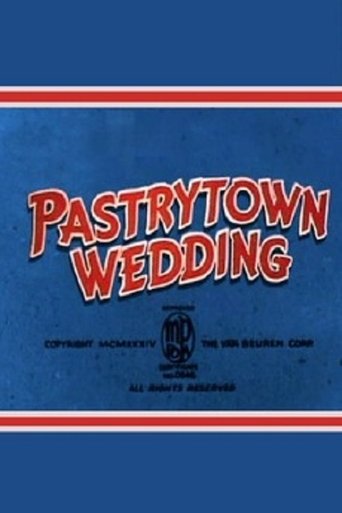
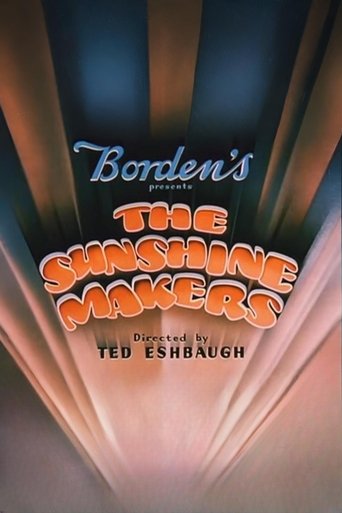
American animator and film director who pioneered early color animation techniques during the 1930s. He established his own independent animation studio, which was quite unusual for the era when most animators worked for major studios. His most celebrated work, 'The Sunshine Makers' (1935), was one of the first animated shorts produced using the revolutionary three-strip Technicolor process, making it historically significant in animation development. Eshbaugh's animation style featured whimsical storytelling and innovative use of color, though his films were produced with limited resources compared to major studio productions. His studio produced several animated shorts during the mid-1930s, including 'Pastry Town Wedding' (1934), which showcased his unique artistic vision. Despite his technical innovations and creative contributions, Eshbaugh's animation career was relatively brief, spanning roughly from 1934 to 1935. After this period, he largely disappeared from the film industry, making him somewhat of an enigmatic figure in animation history whose work represents an important transitional period when the industry was experimenting with new sound and color technologies.
The Craft
Behind the Camera
Eshbaugh's directing style was characterized by whimsical storytelling and innovative use of color technology. He embraced the new three-strip Technicolor process to create vibrant, visually striking animated shorts that stood out from the predominantly black-and-white animation of the era. His approach emphasized visual spectacle and technical innovation over narrative complexity, using animation to explore the creative possibilities of color. As an independent director, he had creative freedom that allowed for experimental techniques and unconventional storytelling methods that differed from mainstream studio productions.
Milestones
- Directed 'The Sunshine Makers' (1935), one of the first three-strip Technicolor animated shorts
- Established independent animation studio in the 1930s
- Pioneered early color animation techniques
- Created 'Pastry Town Wedding' (1934) showcasing unique artistic vision
Best Known For
Must-See Films
Working Relationships
Studios
Why They Matter
Impact on Culture
Ted Eshbaugh's work represents a crucial moment in animation history when the medium was transitioning from black-and-white to color. His use of three-strip Technicolor in 'The Sunshine Makers' helped demonstrate the artistic and commercial potential of color animation, influencing later developments at major studios. As an independent animator, he showed that creative innovation was possible outside the studio system, inspiring future generations of independent animators. His films, though not as widely remembered as those of Disney or Fleischer, are historically significant as examples of early color animation experimentation. Eshbaugh's work contributes to our understanding of how animation technology evolved and how independent creators pushed the boundaries of what was possible in the medium during its formative years.
Lasting Legacy
Ted Eshbaugh's legacy lies primarily in his role as an early pioneer of color animation and independent animation production. Though his career was brief, his work with three-strip Technicolor helped pave the way for the color animation revolution that would transform the industry in the late 1930s and 1940s. His independent studio model demonstrated that creative animation could exist outside the major studio system, a concept that would become increasingly important in later decades. Animation historians and enthusiasts recognize his contributions to technical innovation in the field, even as his personal story remains largely unknown. His surviving films serve as valuable artifacts documenting the early experimentation with color animation technology and the creative approaches of independent animators during Hollywood's Golden Age.
Who They Inspired
Eshbaugh influenced the animation industry primarily through his technical innovations with color technology, demonstrating the artistic potential of three-strip Technicolor in animation. His work as an independent animator showed that creative animation could succeed outside the major studio system, potentially inspiring future independent animators. While not as widely recognized as contemporaries like Walt Disney or Max Fleischer, his contributions to color animation technology helped advance the medium as a whole. His experimental approach to animation and willingness to embrace new technologies represented the innovative spirit that has driven animation throughout its history.
Off Screen
Very little is documented about Ted Eshbaugh's personal life, adding to his mysterious status in animation history. He appears to have been a private individual who focused primarily on his technical and artistic innovations in animation rather than seeking public attention. The lack of personal documentation suggests he may have preferred to remain behind the scenes, letting his work speak for itself.
Did You Know?
- 'The Sunshine Makers' was one of the first three animated shorts ever produced in three-strip Technicolor
- Eshbaugh operated his own independent animation studio, which was rare for the 1930s
- His animation career was remarkably brief, spanning only about two years from 1934-1935
- Very little personal information about Eshbaugh survives, making him somewhat mysterious in animation history
- His films showcased some of the earliest uses of vibrant color in animated shorts
- Eshbaugh's work represents an important transitional period between silent/black-and-white animation and full color animation
- Despite his technical innovations, his films are largely unknown to general audiences today
- His independent status meant he had creative freedom but limited resources compared to major studios
- His surviving films are considered valuable artifacts by animation historians
- The exact reasons for his disappearance from the film industry after 1935 remain unknown
Frequently Asked Questions
Who was Ted Eshbaugh?
American animator and on YTB.my. He operated his own independent animation studio and created some of the first animated shorts using three-strip Technicolor, most notably 'The Sunshine Makers' (1935).
What films is Ted Eshbaugh best known for?
Titles linked here include The Sunshine Makers (1935), Pastry Town Wedding (1934).
When was Ted Eshbaugh born and when did he die?
Unfortunately, specific birth and death dates for Ted Eshbaugh are not well documented, adding to his mysterious status in animation history. He was active as a director primarily during the years 1934-1935.
What awards did Ted Eshbaugh win?
There are no documented awards or nominations for Ted Eshbaugh, likely due to his brief career and independent status. However, his work is historically significant for color animation techniques.
What was Ted Eshbaugh's directing style?
Eshbaugh's directing style emphasized whimsical storytelling and innovative use of color technology. He embraced the new three-strip Technicolor process to create vibrant, visually striking animated shorts that focused on visual spectacle and technical innovation.