Films
1 film
About Frank McCormick
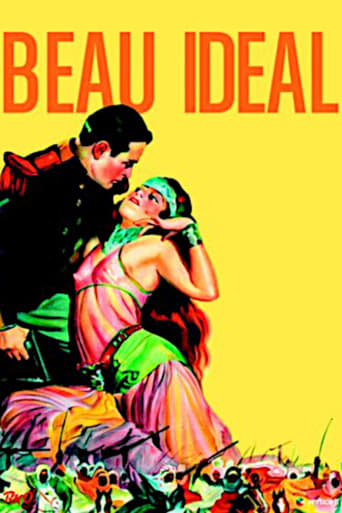
The 1931 film Beau Ideal is the only title linked here for Frank McCormick. His known filmography consists of a single appearance in the 1931 adventure film 'Beau Ideal,' which was directed by Herbert Brenon and served as a sequel to the popular 1926 film 'Beau Geste.' McCormick's career appears to have been extremely brief, with no other documented film credits beyond this one production. Like many character actors of the early 1930s, he may have been part of the studio system's extensive roster of supporting players who appeared in films without achieving lasting fame. The transition from silent films to talkies created opportunities for many actors, but also led to short careers for those who couldn't establish themselves in the new medium. Unfortunately, detailed documentation about McCormick's life, career trajectory, or other potential work in theater or vaudeville remains scarce in historical records.
The Craft
Milestones
- Appeared in 'Beau Ideal' (1931), an early sound adventure film
Best Known For
Must-See Films
Why They Matter
Impact on Culture
Frank McCormick's cultural impact appears to be minimal, as his career was limited to a single film appearance. He represents the thousands of anonymous actors who passed through Hollywood during the early sound era, contributing to the classic cinema without achieving individual recognition. His brief appearance in 'Beau Ideal' places him within the context of early 1930s adventure cinema, a genre that helped establish many of the storytelling conventions that would define Hollywood's Golden Age.
Lasting Legacy
Frank McCormick's legacy is primarily that of an obscure figure from early Hollywood history, representing the countless supporting actors who contributed to classic films but remain largely forgotten by time. His single documented appearance in 'Beau Ideal' (1931) serves as a reminder of the vast, anonymous workforce that made up the studio system during cinema's formative years. While he did not achieve lasting fame, his contribution to this early sound film is part of the broader historical record of American cinema's transition from silent pictures to talkies.
Who They Inspired
Due to the brevity of his documented career, there is no evidence of Frank McCormick having influenced other actors or directors. His limited screen time in a single film suggests he was likely a bit player or extra rather than an influential figure in the industry.
Off Screen
Very little information is available about Frank McCormick's personal life. As a minor actor who appeared in only one documented film, details about his family background, relationships, or life outside of his brief film career have not been preserved in historical records or film archives.
Did You Know?
- Frank McCormick's entire documented film career consists of just one film: 'Beau Ideal' (1931)
- He appeared during the challenging transition period from silent films to talkies
- 'Beau Ideal' was a sequel to the highly successful 1926 film 'Beau Geste'
- The film was directed by Herbert Brenon, a prominent director of the era
- Like many actors of his generation, McCormick's career may have been affected by the Great Depression
- No other film credits or theatrical appearances have been documented for this actor
- He represents the typical fate of many minor character actors from early Hollywood
Frequently Asked Questions
Who was Frank McCormick?
Screen credits include only one documented film, 'Beau Ideal' (1931). He represents the many minor actors who worked briefly in Hollywood during the transition from silent films to talkies but did not achieve lasting fame.
What films is Frank McCormick best known for?
Titles linked here include Beau Ideal (1931).
When was Frank McCormick born and when did he die?
Unfortunately, the birth and death dates of Frank McCormick are not documented in available historical records. Due to his extremely brief and obscure film career, basic biographical information about this actor has been lost to time.
What awards did Frank McCormick win?
Frank McCormick did not receive any documented awards or nominations for his work in cinema. As a minor actor with only one film credit, he would not have been considered for major industry recognition during his brief career.
What was Frank McCormick's acting style?
Due to the limited documentation of his work and the brevity of his career, there is insufficient information to determine Frank McCormick's specific acting style or techniques. His contribution to 'Beau Ideal' appears to have been minor, making detailed analysis of his performance impossible.