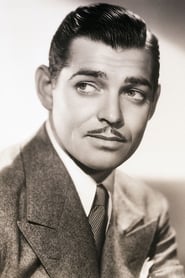
Clark Gable
Actor
Born: February 1, 1901 in Cadiz, Ohio, USA Died: November 16, 1960 Active: 1924-1960 Birth Name: William Clark Gable
Films
1 film
About Clark Gable
Clark Gable, born William Clark Gable on February 1, 1901, in Cadiz, Ohio, rose from humble beginnings to become one of Hollywood's most leading men. After losing his mother as an infant and being raised by his father and stepmother, Gable worked various jobs including oil rigging and tie sales before discovering his passion for acting. He began his career in theater and silent films, making his uncredited film debut in 1924, though his breakthrough came with his first speaking role in 'The Painted Desert' (1931). Signed by MGM, Gable quickly became the studio's biggest star, earning the nickname 'The King of Hollywood' and captivating audiences with his rugged charm and distinctive mustache. His career-defining performances included the Oscar-winning role in 'It Happened One Night' (1934) and the Rhett Butler in 'Gone with the Wind' (1939). After serving in World War II as a bomber crewman, Gable returned to Hollywood and continued his successful career through the 1950s. His final film, 'The Misfits' (1961), co-starring Marilyn Monroe, was released posthumously after Gable died of a heart attack on November 16, 1960, just days after completing filming.
The Craft
On Screen
Clark Gable revolutionized screen acting with his naturalistic approach and charismatic presence, seamlessly transitioning from silent films to talkies with his distinctive baritone voice. His style combined rugged masculinity with unexpected vulnerability, creating a perfect balance that made him equally convincing in romantic comedies and dramatic roles. Gable possessed an effortless confidence and swagger that became his trademark, yet he never relied on theatrics, instead using subtle facial expressions and body language to convey emotion. His performances were marked by authenticity and relatability, making audiences believe in his characters whether he was playing a cynical reporter, a dashing pirate, or a conflicted Southern gentleman.
Milestones
- Academy Award for Best Actor for 'It Happened One Night' (1934)
- Iconic role as Rhett Butler in 'Gone with the Wind' (1939)
- MGM contract player and highest-paid star of 1930s
- Served in WWII as B-17 bomber crewman
- Hollywood Walk of Fame star
- AFI's Greatest Screen Legends ranking #7
Best Known For
Iconic Roles
Must-See Films
Accolades
Won
- Academy Award for Best Actor for 'It Happened One Night' (1934)
- New York Film Critics Circle Award for Best Actor for 'It Happened One Night' (1934)
- Volpi Cup for Best Actor at Venice Film Festival for 'It Happened One Night' (1934)
Nominated
- Academy Award nomination for Best Actor for 'Mutiny on the Bounty' (1935)
- Academy Award nomination for Best Actor for 'Gone with the Wind' (1939)
- Golden Globe nomination for Best Actor for 'Teacher's Pet' (1958)
Special Recognition
- Hollywood Walk of Fame star at 1651 Vine Street
- AFI's Greatest Male Stars of Classic Hollywood cinema ranked #7
- Inducted into the Hall of Famous Missourians
- Flying Cross for WWII service
- Air Medal for combat missions
- American Legion of Merit
- Clark Gable Theatre in Cadiz, Ohio named in his honor
Working Relationships
Worked Often With
Studios
Why They Matter
Impact on Culture
Clark Gable fundamentally shaped the archetype of the Hollywood leading man, establishing a template of masculine charisma and screen presence that would dominate cinema for decades. His role as Rhett Butler in 'Gone with the Wind' created one of cinema's most enduring characters, with his delivery of 'Frankly, my dear, I don't give a damn' becoming legendary despite nearly being censored. Gable's star power helped establish MGM as the premier studio during Hollywood's Golden Age, with his films consistently breaking box office records and saving the studio from financial collapse during the Depression. He represented the ideal American man during the 1930s and 1940s, embodying confidence, strength, and romance for millions of moviegoers worldwide, while his military service during WWII made him a symbol of patriotic duty.
Lasting Legacy
Clark Gable remains. His performances continue to be studied by actors and film scholars, particularly his ability to balance toughness with vulnerability and his naturalistic style that helped modernize screen acting. Gable's impact extended beyond cinema into American culture, where he became a symbol of masculinity and success during challenging economic times, with his films remaining classics that are regularly featured in film retrospectives and preservation efforts. The Clark Gable Theatre in his hometown, various museums, and continued academic study of his work demonstrate his enduring legacy in film history.
Who They Inspired
Gable's naturalistic acting style and charismatic presence influenced generations of leading men, from Cary Grant to modern actors like George Clooney who have cited his screen presence as an inspiration. His ability to excel in both comedy and drama set a standard for versatility that many actors aspire to, while his confident yet approachable demeanor created a new model for stardom. The authenticity he brought to his roles helped shift Hollywood acting away from theatrical styles toward more realistic performances, influencing the evolution of film acting throughout the 20th century. Many actors have specifically studied Gable's technique for conveying emotion through subtle gestures and his mastery of the camera, making him a continuing influence on acting education and performance styles.
Off Screen
Clark Gable's personal life was as dramatic as his film roles, marked by five marriages and numerous high-profile romances. His third marriage to actress Carole Lombard was considered the great love of his life, ending tragically when she died in a plane crash in 1942 while returning from a war bond tour. Devastated by Lombard's death, Gable enlisted in the Army Air Corps and flew combat missions in Europe. He had a reputation as Hollywood's ultimate ladies' man, with relationships including Loretta Young, with whom he had a secret daughter, and Joan Crawford. His final marriage to Kay Spreckels produced his only legitimate child, John Clark Gable, born four months after his father's death. Gable's womanizing and multiple marriages made him a constant subject of Hollywood gossip throughout his career.
Education
Attended Hopedale High School in Ohio, briefly studied medicine at the University of Akron before dropping out to pursue acting, later trained with actress and first wife Josephine Dillon who became his acting coach
Family
- Josephine Dillon (1924-1930)
- Maria Langham (1931-1939)
- Carole Lombard (1939-1942, her death)
- Sylvia Ashley (1949-1952)
- Kay Spreckels (1955-1960, his death)
Did You Know?
- His ears were considered too large for leading man roles early in his career, leading MGM to suggest he have them surgically altered
- Had false teeth that he would remove when not filming, contributing to his distinctive facial structure
- Served as a gunner on B-17 bombers during WWII, flying five combat missions and earning the Flying Cross
- Was originally offered the role of Tarzan but turned it down, allowing Johnny Weissmuller to create the iconic character
- His famous mustache was grown to cover up scars on his upper lip from a childhood accident
- Was paid $7,500 per week at the height of his MGM contract, equivalent to over $140,000 today
- The line 'Frankly, my dear, I don't give a damn' almost didn't make it past censors, who fined the studio $5,000 for including it
- Was nicknamed 'The King of Hollywood' during his peak years, a title that stuck throughout his career
- Had a reputation for wearing no underwear in films, leading to rumors about his personal habits that he never confirmed or denied
- His death was reportedly hastened by his insistence on doing his own stunts in 'The Misfits', including dragging a horse
- Was a close friend of Spencer Tracy and served as best man at Tracy's wedding
- Owned a ranch in Encino, California where he raised horses and cattle
- Was left-handed but was taught to write with his right hand in school
- His final words were reportedly 'Put me to bed' to his wife Kay
- Was a heavy smoker, often seen with cigarettes in his films and personal life
In Their Own Words
Frankly, my dear, I don't give a damn - as Rhett Butler in Gone with the Wind
I don't want to be a 'star.' I want to be an actor.
The only thing I'm interested in is my work. I don't give a damn about anything else.
Acting is not about being someone different. It's finding the similarity in what is apparently different, then finding myself in there.
I'm not a professional actor. I'm a professional human being.
Hollywood is a place where they'll pay you a thousand dollars for a kiss and fifty cents for your soul.
Frequently Asked Questions
Who was Clark Gable?
Clark Gable was one of Hollywood's most iconic leading actors during the Golden Age of cinema, known as 'The King of Hollywood' for his charismatic presence and box office success. He starred in classic films including 'Gone with the Wind' and 'It Happened One Night,' winning an Academy Award and becoming a symbol of American masculinity throughout the 1930s and 1940s.
What films is Clark Gable best known for?
Titles linked here include Gone with the Wind (1939), It Happened One Night (1934).
When was Clark Gable born and when did he die?
Born February 1, 1901; died November 16, 1960.
What awards did Clark Gable win?
Clark Gable won the Academy Award for Best Actor for 'It Happened One Night' (1934), along with the New York Film Critics Circle Award and Venice Film Festival's Volpi Cup for the same role. He received additional Oscar nominations for 'Mutiny on the Bounty' and 'Gone with the Wind.'
What was Clark Gable's acting style?
Gable's acting style was characterized by naturalistic performances, charismatic screen presence, and a distinctive baritone voice that made him perfect for sound films. He combined rugged masculinity with vulnerability, creating a relatable yet commanding presence that worked equally well in comedies and dramas.
How many times was Clark Gable married?
Clark Gable was married five times: to Josephine Dillon (1924-1930), Maria Langham (1931-1939), Carole Lombard (1939-1942), Sylvia Ashley (1949-1952), and Kay Spreckels (1955-1960). His marriage to Carole Lombard was considered the great love of his life until her tragic death.
Did Clark Gable serve in the military?
Yes, Clark Gable enlisted in the Army Air Corps during World War II after the death of his wife Carole Lombard, serving as a bomber crewman and flying five combat missions. He earned the Flying Cross and Air Medal for his service, rising to the rank of major.
What was Clark Gable's legacy in Hollywood?
Clark Gable's legacy includes establishing the template for the Hollywood leading man, influencing generations of actors with his naturalistic style and charismatic presence. He remains one of cinema's most recognizable stars, with his films continuing to be celebrated as classics of Hollywood's Golden Age and his image remaining an enduring symbol of classic American masculinity.