Hattie McDaniel
Actor
Born: June 10, 1895 in Wichita, Kansas, USA Died: October 26, 1952 Active: 1932-1952
Films
1 film
About Hattie McDaniel
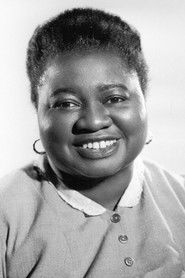
African American actress, singer, and comedian who broke racial barriers in Hollywood during the Golden Age of cinema. Born in 1895 to former slaves, she began her career as a performer in minstrel shows and vaudeville before transitioning to radio and film. Her breakthrough came with her powerful performance as Mammy in 'Gone with the Wind' (1939), which earned her the Academy Award for Best Supporting Actress, making her the first African American to win an Oscar. Despite facing constant racial discrimination and being typecast in servant roles, McDaniel delivered nuanced, dignified performances that subverted stereotypes. Hattie appears in over 300 films throughout her career, often uncredited, while also maintaining a successful radio career with her own show 'The Beulah Show.' McDaniel's courage and talent paved the way for future generations of African American performers, though she faced criticism from some in the Black community for accepting stereotypical roles. She fought for better housing conditions for African Americans in Hollywood and used her platform to challenge segregation, culminating in her posthumous induction into the Black Filmmakers Hall of Fame.
The Craft
On Screen
McDaniel developed a distinctive acting style characterized by warmth, dignity, and subtle defiance within the constraints of stereotypical roles. She brought depth and humanity to maid and servant characters, infusing them with intelligence, wit, and emotional complexity. Her performances often featured a carefully calibrated blend of humor and pathos, using comedy as a tool to challenge racial stereotypes while maintaining audience appeal. McDaniel's vocal delivery was particularly notable, combining a rich, melodic tone with precise timing and emotional authenticity.
Milestones
- First African American to win an Academy Award (1940)
- Star of 'The Beulah Show' on radio (1947-1952)
- Appeared in over 300 films
- Broke racial barriers in Hollywood
- Pioneered roles for African American actors in mainstream cinema
Best Known For
Iconic Roles
Must-See Films
Accolades
Won
- Academy Award for Best Supporting Actress for Gone with the Wind (1939)
- Academy Honorary Award (posthumous, 2024)
Nominated
- No other major nominations during her lifetime despite numerous performances
Special Recognition
- Hollywood Walk of Fame star (Radio, 6290 Hollywood Blvd)
- Black Filmmakers Hall of Fame (1975)
- Colorado Women's Hall of Fame (2010)
- National Association of Black Women Broadcasters Hall of Fame
Working Relationships
Worked Often With
Studios
Why They Matter
Impact on Culture
Hattie McDaniel's impact on American cinema and culture cannot be overstated. As the first African American to win an Academy Award, she shattered a fundamental racial barrier in Hollywood, though her victory was marred by segregation at the ceremony itself where she had to sit at a segregated table. Her success challenged prevailing notions about the place of African Americans in American entertainment, even as the roles available to her remained limited. McDaniel's dignified portrayal of domestic workers helped humanize characters that had previously been one-dimensional stereotypes, while her radio work with 'The Beulah Show' made her one of the first African American women to star in her own national radio program. Her career forced Hollywood and America to confront the paradox of celebrating Black talent while maintaining discriminatory practices.
Lasting Legacy
Hattie McDaniel's legacy extends far beyond her filmography. She opened doors for generations of African American performers who followed, from Sidney Poitier to Halle Berry. Her Oscar win remained the only one for an African American actress in a supporting role for nearly 50 years. The controversy surrounding her career choices sparked important debates about representation and dignity in media that continue today. McDaniel's life story exemplifies both the progress and persistent challenges faced by African Americans in entertainment. In recent years, her contributions have been reevaluated and celebrated, with posthumous honors recognizing her courage and spirit. Her gravesite, which was originally unmarked, now bears a fitting memorial, and her image appeared on a U.S. Postage stamp in 2006 as part of the Black Heritage series.
Who They Inspired
McDaniel's influence on subsequent generations of actors is profound. She demonstrated that African American performers could achieve mainstream success and critical acclaim, even within the constraints of a segregated industry. Her technique of bringing depth and dignity to stereotypical roles influenced how subsequent actors approached similar characters. Whoopi Goldberg, Octavia Spencer, and Viola Davis have all acknowledged McDaniel's impact on their careers. Her willingness to fight for better treatment and compensation helped establish precedents for African American actors' rights in Hollywood. The complexity of her legacy continues to inform discussions about representation, typecasting, and the difficult choices faced by marginalized performers in mainstream media.
Off Screen
Hattie McDaniel was married four times but had no children. Her personal life was marked by both professional success and personal challenges, including health issues and the constant struggle against racial discrimination. She was a devoted sister to her actor brother Sam McDaniel and actress sister Etta McDaniel. McDaniel was known for her generosity within the Black community and often supported fellow African American performers. Despite her fame, she faced housing discrimination in Los Angeles and had to fight for the right to live in white neighborhoods. Her later years were marked by declining health, including breast cancer, which ultimately claimed her life at age 57.
Education
Denver East High School (attended but did not graduate)
Family
- Howard Hickman (1911-1915)
- George Lloyd (1922-1928)
- James Crawford (1931-1935)
- Larry Williams (1941-1945)
Did You Know?
- Was the first African American to win an Academy Award
- Appeared in over 300 films but was often uncredited
- Her Oscar win was controversial among some African Americans who felt she perpetuated stereotypes
- At the 1940 Academy Awards, she had to sit at a segregated table in the back of the room
- Was a talented songwriter who wrote over 40 songs
- Her brother Sam McDaniel was also a successful actor
- She was the first African American woman to sing on American radio (1926)
- Her final wish was to be buried in the Hollywood Forever Cemetery, which had a whites-only policy at the time
- Her Oscar was lost for many years and later found at Howard University
- She was a founding member of the Negro Actors Guild of America
In Their Own Words
I'd rather play a maid than be one
I did my best, and God did the rest
When I go to a picture show and see a colored person playing a servant, I say to myself, 'That's me up there'
I don't mind playing a maid as long as it's a maid with dignity
Hollywood has treated me well in my own way
I've been a member of the Academy of Motion Picture Arts and Sciences for three years. I've paid my dues and I'm a member in good standing
I want you to know I'm mighty proud to be the first Negro to win an award
Frequently Asked Questions
Who was Hattie McDaniel?
African American actress, singer, and comedian who became the first Black person to win an Academy Award. She appeared in over 300 films during the 1930s and 1940s, most famously as Mammy in 'Gone with the Wind' (1939). Despite being typecast in servant roles, she brought dignity and depth to her characters and broke significant racial barriers in Hollywood.
What films is Hattie McDaniel best known for?
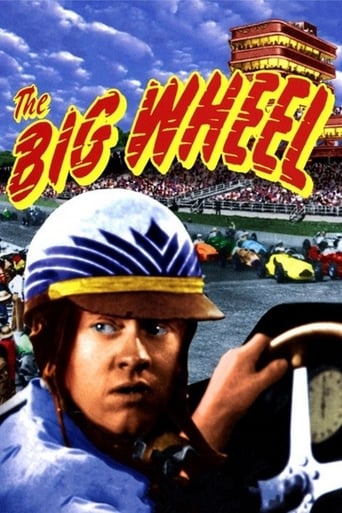
Titles linked here include Gone with the Wind (1939), Show Boat (1936).
When was Hattie McDaniel born and when did she die?
Born June 10, 1895; died October 26, 1952.
What awards did Hattie McDaniel win?
McDaniel's most significant achievement was winning the Academy Award for Best Supporting Actress for 'Gone with the Wind' in 1939, making her the first African American to win an Oscar. She also received a posthumous Academy Honorary Award in 2024. Additional honors include a star on the Hollywood Walk of Fame and induction into the Black Filmmakers Hall of Fame.
What was Hattie McDaniel's acting style?
McDaniel developed a distinctive acting style characterized by warmth, dignity, and subtle defiance within stereotypical roles. She brought depth and humanity to maid characters, infusing them with intelligence and wit. Her performances featured careful emotional balance, using humor to challenge stereotypes while maintaining audience appeal, with a particularly notable vocal delivery combining melodic tone with precise timing.