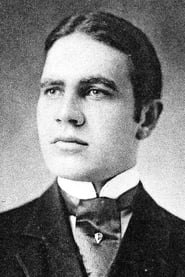
Robert Thornby
Actor & Director
Born: March 6, 1888 in New York City, New York, USA Died: March 29, 1958 Active: 1915-1928
Films
4 films

About Robert Thornby
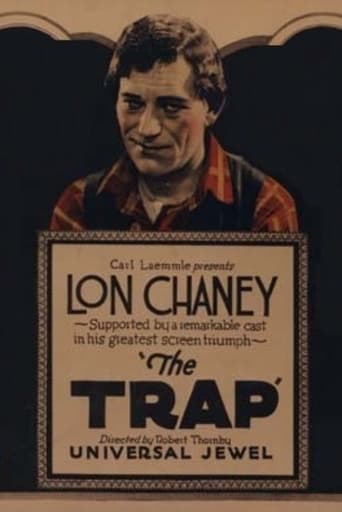
American film director who rose to prominence during the silent era of Hollywood. Born in New York City in 1888, he began his career in the film industry as an actor before transitioning to directing around 1915. Over the next decade, he established himself as a prolific director, helming more than 60 films across various genres including westerns, dramas, and action pictures. His 1922 film 'The Trap,' starring Harry Carey, stands as one of his most recognized works from this period. Thornby was known for his efficient directing style and ability to work quickly, which made him valuable to studios during the rapid production schedules of the silent era. As the film industry transitioned to sound in the late 1920s, Thornby adapted by working as a dialogue director on early talkies, though his primary directing career had largely concluded by 1928. He spent his later years in Los Angeles until his death in 1958, leaving behind a substantial body of work that represents the typical output of a journeyman director of Hollywood's formative years.
The Craft
Behind the Camera
Known for efficient, workmanlike direction with emphasis on clear storytelling and action sequences typical of silent era production values
Milestones
- Transitioned from actor to director in 1915
- Directed over 60 films during the silent era
- Directed 'The Trap' (1922) starring Harry Carey
- Worked with major studios including Fox Film Corporation
- Adapted to sound era as dialogue director in late 1920s
Best Known For
Must-See Films
Working Relationships
Worked Often With
Studios
Why They Matter
Impact on Culture
Robert Thornby represents the archetype of the journeyman director who was essential to Hollywood's development during the silent era. While not achieving the legendary status of directors like D.W. Griffith or Cecil B. DeMille, Thornby contributed significantly to the output of major studios during a period when cinema was establishing itself as America's dominant entertainment medium. His work helped establish narrative conventions and visual storytelling techniques that would influence subsequent generations of filmmakers. The efficiency and reliability he demonstrated as a director embodied the industrial approach to filmmaking that would become characteristic of Hollywood's studio system.
Lasting Legacy
Robert Thornby's legacy lies primarily in his substantial body of work from the silent era, which serves as a valuable record of early American filmmaking practices. His films, particularly his collaborations with western star Harry Carey, represent important examples of genre development during the 1920s. While many of his films have been lost to time due to the deterioration of nitrate film stock, those that survive provide insight into the storytelling techniques and production methods of Hollywood's formative years. His career trajectory—from actor to director to dialogue director—exemplifies the adaptability required of film industry professionals during the rapid technological changes of the 1920s.
Who They Inspired
As a prolific director during the silent era, Robert Thornby influenced filmmaking primarily through his consistent output and workmanlike approach to cinema. His collaborations with established stars helped shape their screen personas and contributed to the development of genre conventions, particularly in western films. While he may not have directly mentored famous directors who followed, his films served as part of the collective body of work that established the visual language and narrative structures that would be refined and built upon by subsequent generations of filmmakers.
Off Screen
Robert Thornby maintained a relatively private personal life throughout his career in Hollywood. Born and raised in New York City, he moved to California to pursue opportunities in the burgeoning film industry. His active years covered the transformative period from silent films to early talkies, requiring adaptation to new technologies and industry practices. He spent his final decades in Los Angeles, remaining connected to the film community even as his directing career wound down. Thornby passed away in Los Angeles at the age of 70, having witnessed the evolution of cinema from its primitive beginnings to the sophisticated studio system of the Golden Age.
Did You Know?
- Directed over 60 films in just 13 years
- Began his film career as an actor before moving behind the camera
- His 1922 film 'The Trap' was one of several westerns he made with star Harry Carey
- Adapted to the sound era by working as a dialogue director
- Many of his silent films have been lost over time due to nitrate film deterioration
- Worked with multiple studios during his career, showing the flexibility of freelance directors in early Hollywood
- His directing style was described as efficient and reliable, making him a favorite for studio production schedules
- The transition from silent to sound films effectively ended his career as a primary director
- Born in New York but became part of the California film industry migration
- His death in 1958 came just as television was beginning to challenge Hollywood's dominance
Frequently Asked Questions
Who was Robert Thornby?
American on YTB.my. He began as an actor before transitioning to directing, working with major studios and stars like Harry Carey.
What films is Robert Thornby best known for?
Titles linked here include The Trap (1922), The Lone Star Ranger (1923).
When was Robert Thornby born and when did he die?
Born March 6, 1888; died March 29, 1958.
What awards did Robert Thornby win?
Robert Thornby did not receive any major awards or nominations during his career, which was typical for many journeyman directors of the silent era who worked primarily as studio employees rather than celebrated auteurs.
What was Robert Thornby's directing style?
Thornby was known for his efficient, workmanlike directing style that emphasized clear storytelling and action sequences. His approach was valued by studios for its reliability during the rapid production schedules of the silent era.
How did Robert Thornby adapt to the sound era?
As the film industry transitioned to sound in the late 1920s, Thornby adapted by working as a dialogue director on early talkies, though his primary career as a film director had largely concluded by 1928.
What was Robert Thornby's contribution to cinema?
Thornby contributed to cinema through his substantial body of work during the silent era, helping establish narrative conventions and genre formulas. His films represent important examples of early Hollywood filmmaking and the development of the studio system.