No Poster
Films
1 film
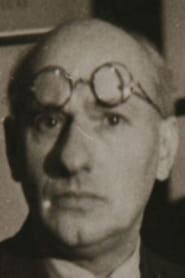
About Béla Balogh
Hungarian film director active during the silent era of cinema, known primarily for his single directorial effort 'Under the Mountains' in 1920. Very little is documented about his life and career, suggesting he may have been a peripheral figure in the early Hungarian film industry. His work emerged during a tumultuous period in Hungarian history following World War I, when the national cinema was undergoing significant changes. The fact that only one film is attributed to him indicates he may have been either a filmmaker who left the industry quickly or someone whose other works have been lost to time. His contribution, though minimal in scope, represents part of the broader tapestry of early European cinema during its formative years. The scarcity of information about Balogh is not uncommon for directors from this era, particularly those from smaller national film industries whose records were not as meticulously preserved as those from major Western studios.
The Craft
Behind the Camera
As a director from the silent era, Balogh would have employed visual storytelling techniques typical of early 1920s cinema, though specific details about his directorial approach are not documented.
Milestones
- Directed 'Under the Mountains' (1920)
Best Known For
Must-See Films
Working Relationships
Studios
Why They Matter
Impact on Culture
Béla Balogh's cultural impact appears to be minimal due to the extremely limited documentation of his work and the apparent brevity of his career. His single known film 'Under the Mountains' (1920) represents a small but important piece of Hungarian cinema history from the silent era, a period when the national film industry was developing its unique voice despite political and social upheaval. While his individual influence cannot be traced extensively, filmmakers like Balogh collectively contributed to the foundation of European cinema during its formative years.
Lasting Legacy
Béla Balogh's legacy is primarily preserved through his single surviving film credit, making him a footnote in the history of Hungarian cinema. His work serves as a reminder of the many filmmakers from the silent era whose contributions have been largely lost to time, either through the destruction of films or the lack of comprehensive documentation. While not a major figure in film history, Balogh represents the countless dedicated artists who helped build the foundation of cinema during its earliest decades.
Who They Inspired
Due to the limited documentation of Balogh's work and career, his influence on other filmmakers cannot be specifically traced. However, like all directors of the silent era, he would have been part of the collective development of cinematic language and techniques that influenced subsequent generations of filmmakers.
Off Screen
Very little information is available about Béla Balogh's personal life, which is not uncommon for directors from the silent era who had brief careers or worked in smaller national film industries.
Did You Know?
- Only known for directing one film in 1920
- Worked during the silent era of Hungarian cinema
- His film 'Under the Mountains' represents early 20th century Hungarian filmmaking
- Like many early filmmakers, detailed records of his life and career are scarce
- His brief active years covered only one year according to available records
- Part of the first generation of Hungarian film directors
- His work emerged during a period of political upheaval in Hungary following WWI
Frequently Asked Questions
Who was Béla Balogh?
Hungarian on YTB.my. Very little is documented about his life and career, suggesting he had a brief tenure in the film industry.
What films is Béla Balogh best known for?
Titles linked here include Under the Mountains (1920).
When was Béla Balogh born and when did he die?
Specific birth and death dates for Béla Balogh are not documented in available sources, which is not uncommon for directors from the silent era who had brief careers.
What awards did Béla Balogh win?
There are no documented awards or nominations for Béla Balogh, which is typical for many filmmakers from the early 1920s when formal award systems were still developing.
What was Béla Balogh's directing style?
Specific details about Balogh's directing style are not documented, but as a silent era director, he would have employed visual storytelling techniques characteristic of early 1920s cinema.
Why is so little known about Béla Balogh?
The scarcity of information about Balogh is common for filmmakers from smaller national film industries of the silent era, whose records were not as meticulously preserved as those from major Western studios.