Films
1 film
About Hans Werckmeister
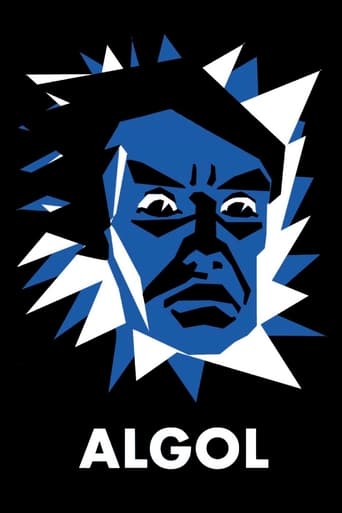
German film director active during the early years of cinema, best known for his contribution to the German Expressionist movement of the 1920s. His career, though brief, produced films of the silent era, 'Algol: Tragedy of Power' (1920), which showcased the visual and thematic concerns that would define Expressionist cinema. Werckmeister worked during a revolutionary period in German film history, when directors were experimenting with new visual techniques and psychological storytelling methods. His film featured the Emil Jannings in one of his early starring roles, demonstrating Werckmeister's ability to attract top talent despite his limited experience. The director's work reflected the post-war anxieties and social upheaval of Weimar Germany, using allegory and symbolism to explore themes of power, corruption, and human nature. Unfortunately, Werckmeister's film career appears to have been extremely brief, with 'Algol' standing as his sole major directorial credit. Despite this limited output, his contribution to Expressionist cinema has been recognized by film historians as part of the foundation that would influence countless filmmakers in the decades that followed.
The Craft
Behind the Camera
Werckmeister's directing style was characteristic of German Expressionism, featuring dramatic lighting, distorted sets, and psychological intensity. He employed visual metaphors and symbolic imagery to convey themes of power and corruption, using chiaroscuro lighting and angular compositions that were hallmarks of the Expressionist movement. His approach to storytelling emphasized the psychological states of his characters over realistic narrative progression, creating a dreamlike and unsettling atmosphere that reflected the anxieties of post-World War I Germany.
Milestones
- Directed 'Algol: Tragedy of Power' (1920)
- Worked with Emil Jannings during his peak period
- Contributed to German Expressionist cinema movement
- Created one of the earliest science fiction/expressionist hybrids
Best Known For
Must-See Films
Accolades
Special Recognition
- Recognized by film historians as contributor to German Expressionist cinema
Working Relationships
Worked Often With
Why They Matter
Impact on Culture
Hans Werckmeister's impact on cinema, while limited by his brief career, is significant through his contribution to the German Expressionist movement. 'Algol: Tragedy of Power' stands as an early example of the fusion of science fiction themes with Expressionist visual style, predating more famous works like 'Metropolis' (1927). The film's exploration of power dynamics and its use of allegory to comment on contemporary social issues influenced how subsequent filmmakers would approach political themes in genre cinema. Werckmeister's work helped establish visual and narrative techniques that would become staples of Expressionist cinema, including the use of distorted sets to reflect psychological states and the employment of dramatic lighting to create emotional intensity.
Lasting Legacy
Despite having only one major directorial credit to his name, Hans Werckmeister's legacy endures through the continued study and appreciation of 'Algol: Tragedy of Power' among film scholars and enthusiasts of German Expressionism. His film serves as an important example of early genre filmmaking that incorporated sophisticated visual techniques and thematic depth. The movie's survival and restoration have allowed modern audiences to witness an important transitional work in the development of both science fiction cinema and Expressionist style. Werckmeister's contribution is frequently cited in academic studies of German cinema from the Weimar period, highlighting how even directors with limited filmographies could significantly influence cinematic art during this revolutionary era.
Who They Inspired
Werckmeister's influence on other filmmakers is primarily indirect, transmitted through the techniques and themes he employed in 'Algol' that would be adopted and expanded upon by more prominent directors of the German Expressionist movement. His use of science fiction as a vehicle for social commentary prefigured later works by Fritz Lang and others who would use genre elements to explore contemporary anxieties. The visual style he employed, with its dramatic contrasts and symbolic set design, influenced the development of film noir in later decades through the work of German directors who emigrated to Hollywood. His approach to using allegory to discuss political power provided a template for filmmakers working under censorship in various political contexts throughout the 20th century.
Off Screen
Very little is documented about Hans Werckmeister's personal life, which has contributed to the mysterious nature of his brief film career. The scarcity of biographical information suggests he may have been primarily involved in other professions outside of cinema, with 'Algol' representing a singular foray into feature film directing. His ability to secure Emil Jannings for his film indicates he had some connections within the German film industry, though the extent of these relationships remains unclear.
Did You Know?
- 'Algol: Tragedy of Power' was one of the first films to combine science fiction elements with German Expressionist visual style
- The film's title refers to Algol, also known as the Demon Star, which was believed in ancient times to represent supernatural power
- Despite its artistic merits, the film was considered commercially unsuccessful at the time of its release
- Emil Jannings, who starred in the film, would later become the first recipient of the Academy Award for Best Actor
- The film's sets were designed by prominent Expressionist artist Robert Neppach
- Only fragments of the original film were believed to survive for many decades, though a more complete version has since been restored
- The movie explored themes of industrial power and corruption that were particularly relevant to Weimar Germany
- Werckmeister's career as a director appears to have lasted only long enough to complete this single feature film
- The film was also known under the title 'Algol' in some markets
- Its blend of fantasy and social commentary made it unusual among Expressionist films of its era
Frequently Asked Questions
Who was Hans Werckmeister?
German on YTB.my. He was a contributor to the German Expressionist movement, though his film career appears to have been extremely brief, with this single notable work representing his major contribution to cinema.
What films is Hans Werckmeister best known for?
Titles linked here include Algol: Tragedy of Power (1920).
When was Hans Werckmeister born and when did he die?
Unfortunately, specific birth and death dates for Hans Werckmeister are not documented in available historical records, contributing to the mysterious nature of this brief but significant contributor to German Expressionist cinema.
What awards did Hans Werckmeister win?
There are no documented awards or nominations for Hans Werckmeister, likely due to his extremely brief career in film directing. His recognition comes primarily from film historians and scholars who study the German Expressionist movement.
What was Hans Werckmeister's directing style?
Werckmeister's directing style was firmly rooted in German Expressionism, featuring dramatic lighting, distorted sets, and psychological intensity. He used visual metaphors and symbolic imagery to explore themes of power and corruption, creating the dreamlike atmosphere characteristic of the Expressionist movement.