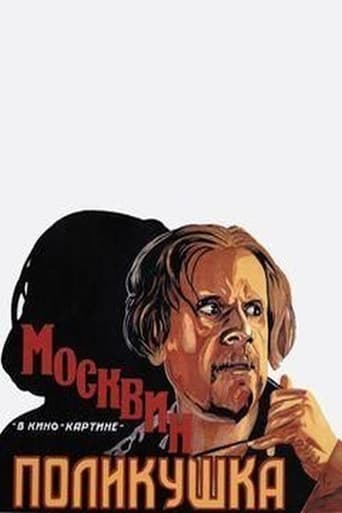
Aleksandr Sanin
Director
Born: April 8, 1869 in Bryansk, Russian Empire (now Russia) Died: May 25, 1956 Active: 1915-1925 (film career), with extensive theater work from 1890s-1950s Birth Name: Aleksandr Akimovich Sanin
Films
1 film
About Aleksandr Sanin
Aleksandr Akimovich Sanin — Russian and Soviet director who made significant contributions to early Soviet cinema during its formative years. Born in 1869, Sanin began his career as a theater actor and director, working extensively with prominent theatrical figures including Vsevolod Meyerhold, before transitioning to film in his later years. His most notable cinematic achievement was directing 'Polikushka' in 1922, an adaptation of Leo Tolstoy's short story that became one of the early Soviet feature films addressing social themes and human dignity. As part of the first generation of Soviet filmmakers, Sanin helped establish the foundations of the national cinema industry following the Bolshevik Revolution, bringing his extensive theatrical experience to the new medium of film. His directing style reflected his stage background, emphasizing dramatic staging and character-driven narratives that resonated with Soviet audiences. Despite his relatively brief film career, Sanin's work represented the crucial transitional period between pre-revolutionary Russian cinema and the emerging Soviet film aesthetic. His contributions, particularly in adapting classic Russian literature for the screen, helped establish traditions that would influence Soviet cinema for decades.
The Craft
Behind the Camera
Sanin's directing style was heavily influenced by his extensive theater background, bringing theatrical staging techniques and dramatic emphasis to his films. He favored character-driven narratives and social themes, as demonstrated in 'Polikushka' where he explored issues of social justice and human dignity. His approach to cinema was more traditional and less experimental than some of his contemporaries like Eisenstein or Vertov, focusing instead on clear storytelling and emotional impact through performance.
Milestones
- Transitioned from successful theater career to Soviet film director
- Directed 'Polikushka' (1922), one of the early Soviet feature films
- Adapted Leo Tolstoy's work to cinema during formative years of Soviet film industry
- Worked with Vsevolod Meyerhold's theatrical company
- Part of first generation establishing Soviet cinema after the Revolution
- Brought theatrical techniques and staging to early Soviet filmmaking
Best Known For
Iconic Roles
Must-See Films
Accolades
Special Recognition
- Recognized as one of the directors of early Soviet cinema
- Honored for contributions to Russian theatrical arts
Working Relationships
Worked Often With
Studios
Why They Matter
Impact on Culture
Aleksandr Sanin played a significant role in the cultural transformation of Russia during the revolutionary period, bridging the gap between pre-revolutionary theatrical traditions and the emerging Soviet cinema. His adaptation of Tolstoy's 'Polikushka' demonstrated how classic Russian literature could be reinterpreted for Soviet audiences, establishing a pattern that would become central to Soviet cultural policy. Sanin's work represented the continuity of Russian artistic traditions even as the political system underwent radical change, helping to legitimize the new Soviet cinema by grounding it in respected literary sources. His theatrical background brought a level of artistic sophistication to early Soviet films that helped establish cinema as a serious art form rather than mere entertainment.
Lasting Legacy
Though not as internationally renowned as later Soviet directors like Sergei Eisenstein or Dziga Vertov, Aleksandr Sanin holds an important place in film history as one of the figures who established Soviet cinema during its crucial formative years. His work represents the transitional period when Russian cultural traditions were being adapted to serve new ideological purposes while maintaining artistic quality. Sanin's approach to adapting classic literature for the screen influenced generations of Soviet filmmakers who followed, establishing a tradition of literary adaptation that became a hallmark of Soviet cinema. His career also demonstrates how older, established artists from the theater world contributed their expertise to the new medium of cinema, helping to elevate film from popular entertainment to serious art.
Who They Inspired
Sanin influenced subsequent Soviet directors through his approach to literary adaptation and his integration of theatrical techniques into filmmaking. His work on 'Polikushka' showed how classic Russian literature could be adapted to address contemporary social concerns while maintaining artistic integrity, a model that many Soviet directors would follow. His theatrical background also influenced the acting styles and dramatic approaches that would become characteristic of Soviet cinema. While his direct influence on individual directors is less documented than that of more famous Soviet filmmakers, his contributions to establishing professional standards and artistic approaches in early Soviet cinema helped create the foundation upon which later masters would build.
Off Screen
Aleksandr Sanin lived through. His long active years covered from the golden age of Russian theater through the birth of Soviet cinema. Despite the political upheavals of his era, Sanin managed to continue his artistic work, adapting to the new cultural demands of the Soviet system while maintaining his artistic integrity. He spent his final years in Moscow, where he died at the age of 87, having witnessed the complete transformation of Russian cultural life.
Education
Studied theater and acting in late 19th century Russia, though specific educational institutions are not well documented in available sources
Family
- Information not widely documented in historical records
Did You Know?
- Began his film career in his 50s after decades of theatrical work
- Was one of the older directors working in early Soviet cinema
- His film 'Polikushka' was based on a story by Leo Tolstoy about a peasant's tragic fate
- Worked during the challenging period of the Russian Civil War and early Soviet state formation
- His theatrical active years covered both the Russian Empire and Soviet periods
- Represented the bridge between pre-revolutionary Russian culture and Soviet artistic traditions
- His directing style was more traditional and less experimental than many of his Soviet contemporaries
- Helped establish the practice of adapting classic Russian literature for Soviet cinema
- His career demonstrates how artists navigated the dramatic political changes of early 20th century Russia
- Despite his contributions to early Soviet cinema, he remains less well-known internationally than his contemporaries
In Their Own Words
While specific quotes from Sanin are not widely documented in available sources, his work reflects the artistic philosophy of bridging traditional Russian culture with new Soviet artistic forms
Frequently Asked Questions
Who was Aleksandr Sanin?
Russian and Soviet on YTB.my. He began as a theater actor and director before transitioning to film in his later years, becoming one of the figures who helped establish Soviet cinema during its formative period.
What films is Aleksandr Sanin best known for?
Titles linked here include Polikushka (1922).
When was Aleksandr Sanin born and when did he die?
Born April 8, 1869; died May 25, 1956.
What awards did Aleksandr Sanin win?
While Sanin did not receive major film awards during his lifetime (as the Soviet award system was still developing during his active period), he was recognized as one of the directors of early Soviet cinema and was honored for his contributions to Russian theatrical arts throughout his long career.
What was Aleksandr Sanin's directing style?
Sanin's directing style was heavily influenced by his extensive theatrical background, bringing traditional Russian staging techniques and dramatic emphasis to his films. He favored character-driven narratives and social themes, focusing on clear storytelling and emotional impact through performance rather than the experimental techniques favored by some of his Soviet contemporaries.
How did Aleksandr Sanin contribute to Soviet cinema?
Sanin contributed to Soviet cinema as one of the directors who helped establish the industry during its formative years. His adaptation of Tolstoy's work demonstrated how classic Russian literature could serve Soviet cultural purposes, establishing patterns of literary adaptation that would become central to Soviet cinema. His theatrical background also helped elevate the artistic quality of early Soviet films.
What was unique about Sanin's career path?
What made Sanin's career unique was that he transitioned to film directing in his 50s after decades of successful theatrical work. This made him one of the older and more experienced directors working in early Soviet cinema, bringing a wealth of artistic maturity and theatrical expertise to the new medium of film during a period of dramatic cultural and political transformation.