Films
1 film
About Shichuan Zhang
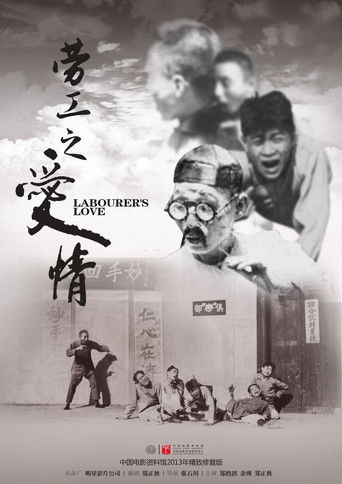
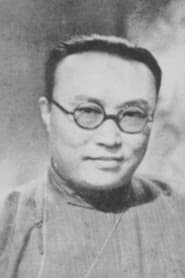
Early Chinese film director active during the nascent period of Chinese cinema in the early 1920s. His career, though brief, represents an important moment in the development of Chinese filmmaking during the silent era. Zhang directed 'Romance of a Fruit Peddler' in 1922, which stands as one of the earliest examples of narrative Chinese cinema. His work emerged during a time when Chinese filmmakers were beginning to establish their own cinematic language separate from foreign influences. The film was produced during a period when Shanghai was becoming the center of China's film industry. Very little is documented about Zhang's life beyond this single directorial credit, suggesting he may have been one of many pioneers who briefly participated in cinema's early development before moving on to other pursuits. His contribution, while limited in scope, represents the foundational efforts that would eventually lead to China's robust film industry.
The Craft
Behind the Camera
As a director from the earliest period of Chinese cinema, Zhang's style would have been influenced by silent film techniques prevalent in the 1920s, likely emphasizing visual storytelling and dramatic gestures common to the era before the advent of sound in Chinese films.
Milestones
- Directed 'Romance of a Fruit Peddler' (1922)
- Pioneer of early Chinese narrative cinema
Best Known For
Must-See Films
Why They Matter
Impact on Culture
Shichuan Zhang's contribution to Chinese cinema, though limited to a single known film, represents part of the foundation upon which China's vast film industry was built. His work in 1922 came during a crucial period when Chinese filmmakers were beginning to establish their own cinematic identity. The early 1920s marked the transition from foreign-dominated film exhibition in China to domestic production, and directors like Zhang were instrumental in this transformation. 'Romance of a Fruit Peddler' exemplifies the early attempts by Chinese filmmakers to create narratives that would resonate with local audiences using cinematic techniques adapted from Western films but infused with Chinese cultural elements.
Lasting Legacy
While Shichuan Zhang may not be a widely remembered name in film history, his work represents an important chapter in the story of Chinese cinema. His 1922 film is often cited to the spirit of early Chinese filmmakers who worked with limited resources and technology to create the foundations of what would become one of the world's largest film industries. The existence of his work demonstrates that Chinese cinema's roots extend back to the very early days of global filmmaking, paralleling developments in Hollywood and Europe.
Who They Inspired
Due to the limited documentation of Zhang's career and the apparent brevity of his time in filmmaking, his direct influence on subsequent generations of Chinese directors is difficult to trace. However, like many early pioneers, his work contributed to the establishment of filmmaking as a viable artistic and commercial enterprise in China, paving the way for the more documented figures who would follow in the late 1920s and 1930s.
Off Screen
Very little information is available about Shichuan Zhang's personal life, which is common for many early Chinese film pioneers from the 1920s. The sparse documentation of his career suggests he may have been a transient figure in the early film industry rather than a long-term participant.
Did You Know?
- Zhang's film 'Romance of a Fruit Peddler' was made during the very early days of Chinese cinema, when the country was producing only a handful of films annually
- 1922 was a significant year for Chinese cinema, marking the period when domestic production began to seriously challenge foreign films in the Chinese market
- Early Chinese directors like Zhang often worked with extremely limited budgets and primitive equipment compared to their Western counterparts
- The film industry in China during this period was centered in Shanghai, which was the country's most cosmopolitan city
- Very few films from China's 1922 production year have survived to the present day due to poor preservation conditions and political upheavals
- Directors from this era often had multiple roles in film production, sometimes writing, directing, and even acting in their own films
- The early 1920s saw Chinese filmmakers beginning to adapt traditional Chinese stories and themes to the new medium of cinema
Frequently Asked Questions
Who was Shichuan Zhang?
Early Chinese on YTB.my. He represents one of the figures in Chinese cinema during its formative years in the early 1920s.
What films is Shichuan Zhang best known for?
Titles linked here include Romance of a Fruit Peddler (1922).
When was Shichuan Zhang born and when did he die?
Unfortunately, specific birth and death dates for Shichuan Zhang are not documented in available historical records, which is common for many early Chinese film pioneers from the 1920s.
What awards did Shichuan Zhang win?
There are no documented awards for Shichuan Zhang's work, which is typical for the period of 1922 Chinese cinema when formal award systems had not yet been established in the country's fledgling film industry.
What was Shichuan Zhang's directing style?
As a director from 1922, Zhang would have employed silent film techniques with emphasis on visual storytelling, dramatic gestures, and intertitles. His style would reflect the early attempts by Chinese filmmakers to develop their own cinematic language.
Why is Shichuan Zhang significant in film history?
Zhang is significant as one of the early pioneers of Chinese cinema during its foundational period. His work in 1922 represents the beginnings of domestic Chinese film production that would eventually grow into one of the world's largest film industries.