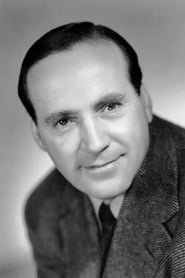
Rudolph Maté
Director
Born: January 21, 1898 in Kraków, Austria-Hungary (now Poland) Died: October 27, 1964 Active: 1919-1964 Birth Name: Rudolf Maté
Films
1 film
About Rudolph Maté
Cinematographer and director: from European art cinema to Golden Age Hollywood productions. Born in Poland, he began his film career in Berlin during the 1920s, working as a cinematographer on silent films before collaborating with director Carl Theodor Dreyer on the masterpiece 'The Passion of Joan of Arc' (1928). Maté immigrated to America in the 1930s, bringing his distinctive visual sensibility to Hollywood, where he served as cinematographer on major productions including 'Foreign Correspondent' (1940) for Alfred Hitchcock and 'Pride of the Yankees' (1942). Transitioning to directing in the late 1940s, Maté helmed numerous film noir classics, most notably the influential 'D.O.A.' (1950), which featured his signature high-contrast lighting and dynamic camera work. Throughout the 1950s, he directed diverse genres from westerns like 'The Far Country' (1954) starring James Stewart to the horror hit 'House of Wax' (1953) in 3D. His directorial style emphasized visual storytelling and technical innovation, reflecting his background as one of cinema's great cinematographers. Maté continued directing until his death in 1964, leaving behind a legacy of visually striking films that bridged European art cinema and American commercial entertainment.
The Craft
Behind the Camera
Rudolph Maté's directing style was heavily influenced by his background as a master cinematographer, characterized by dramatic lighting compositions, innovative camera movements, and a strong visual narrative approach. He favored high-contrast lighting techniques that became hallmarks of film noir, creating shadows and silhouettes that enhanced psychological tension. Maté was technically adventurous, embracing new technologies like 3D in 'House of Wax' and utilizing complex tracking shots to create dynamic visual flow. His direction often emphasized visual storytelling over dialogue, using the camera as an active participant in the narrative rather than just a recording device. Maté's films demonstrate a European sensibility blended with Hollywood commercial instincts, resulting in movies that were both artistically ambitious and entertaining.
Milestones
- Cinematographer on 'The Passion of Joan of Arc' (1928)
- Oscar nomination for Best Cinematography for 'Foreign Correspondent' (1940)
- Transitioned to directing in the late 1940s
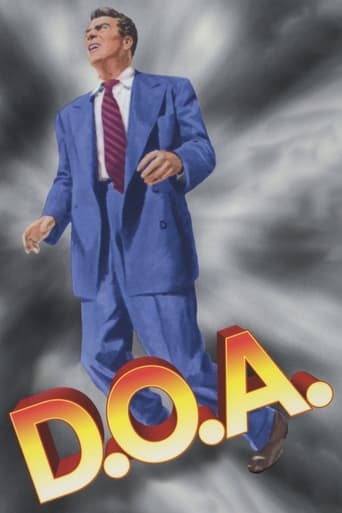
- Directed the film noir classic 'D.O.A.' (1950)
- Directed the 3D horror hit 'House of Wax' (1953)
- Collaborated with major stars including Gary Cooper, James Stewart, and Kirk Douglas
Best Known For
Must-See Films
Accolades
Won
- Academy Award nomination for Best Cinematography - 'Foreign Correspondent' (1940)
- Academy Award nomination for Best Cinematography - 'Pride of the Yankees' (1942)
- Academy Award nomination for Best Cinematography - 'The North Star' (1943)
- Academy Award nomination for Best Cinematography - 'The Adventures of Mark Twain' (1944)
Nominated
- Oscar nomination for Best Cinematography, Black and White - 'Foreign Correspondent' (1940)
- Oscar nomination for Best Cinematography, Black and White - 'Pride of the Yankees' (1942)
- Oscar nomination for Best Cinematography, Black and White - 'The North Star' (1943)
- Oscar nomination for Best Cinematography, Color - 'The Adventures of Mark Twain' (1944)
Special Recognition
- Hollywood Walk of Fame star for his contributions to motion pictures
- Recognized as one of the greatest cinematographers of the classical Hollywood era
- Cited as a major influence on film noir cinematography
Working Relationships
Worked Often With
Studios
Why They Matter
Impact on Culture
Rudolph Maté significantly impacted both the art and craft of cinema through his dual roles as cinematographer and director. As a cinematographer, he helped define the visual language of film noir with his dramatic use of shadows and innovative camera techniques that influenced generations of filmmakers. His work on 'The Passion of Joan of Arc' remains a benchmark for silent film cinematography, demonstrating how camera angles and lighting could enhance emotional storytelling. Maté's transition to directing brought a uniquely visual approach to genre films, particularly evident in 'D.O.A.,' where his cinematographic background created an atmosphere of impending doom through visual means. His embrace of 3D technology in 'House of Wax' showed his willingness to push technical boundaries, helping legitimize 3D as more than just a gimmick. Maté's films continue to be studied in film schools for their visual sophistication and technical excellence.
Lasting Legacy
Rudolph Maté's legacy endures through his visually striking films that bridge European art cinema and American commercial entertainment. His cinematography work, particularly on 'The Passion of Joan of Arc' and 'Foreign Correspondent,' remains influential and is frequently cited by contemporary cinematographers as inspiration. As a director, his film noir contributions, especially 'D.O.A.,' have become classics that define the genre's visual style and narrative tension. Maté demonstrated that technical mastery and artistic vision could coexist in commercial filmmaking, influencing subsequent generations of directors who came from cinematography backgrounds. His ability to work across genres while maintaining a distinctive visual aesthetic has made his films enduring examples of classical Hollywood craftsmanship at its finest.
Who They Inspired
Maté influenced numerous filmmakers through his innovative cinematography techniques, particularly his use of dramatic lighting and dynamic camera movements. His work with German Expressionist aesthetics in early European films helped establish visual techniques that would become staples of film noir. Directors like Robert Siodmak, Fritz Lang, and later cinematographers like Gordon Willis and Roger Deakins have cited Maté's visual style as influential. His success in transitioning from cinematographer to director paved the way for other cinematographers to move into directing, including Nicolas Roeg and Robert Richardson. Maté's technical innovations, especially his work with lighting and camera movement, continue to be studied and emulated in contemporary filmmaking.
Off Screen
Rudolph Maté married French actress and screenwriter Renée Devillers in 1937, and their marriage lasted until his death in 1964. The couple had one child together, a son named Peter. Maté was known as a private individual who rarely gave interviews, preferring to let his work speak for itself. Despite his success in Hollywood, he maintained strong ties to his European roots and often returned to Europe for vacations. He was respected by colleagues for his technical expertise and collaborative spirit, though he was also known for his perfectionism on set.
Education
Studied at the University of Budapest and attended film school in Berlin, where he received early training in cinematography and visual arts during the German Expressionist period.
Family
- Renée Devillers (1937-1964)
Did You Know?
- Originally spelled his name 'Rudolf Maté' before anglicizing it to 'Rudolph'
- Worked as a war photographer during World War I before entering films
- Was the cinematographer on what many consider the greatest silent film ever made, 'The Passion of Joan of Arc'
- Shot over 60 films as a cinematographer before becoming a director
- His film 'D.O.A.' was remade multiple times, including a 1988 version starring Dennis Quaid and Meg Ryan
- Was one of the first directors to embrace 3D technology seriously with 'House of Wax'
- Spoke five languages fluently: Polish, German, French, English, and Hungarian
- Never won an Academy Award despite four nominations, making him one of cinema's most accomplished 'also-rans'
- His last film as cinematographer was 'Gilda' (1946),
- Died of a heart attack in Beverly Hills at age 66
In Their Own Words
Light is the most important element in cinema. It's not just about illumination; it's about emotion, mood, and storytelling.
As a cinematographer, I learned that the camera should never be passive. It must be an active participant in the drama.
The difference between good and great cinematography is knowing where to put the camera and why.
Film noir is not just a genre; it's a visual style that reflects the darkness of the human soul.
When I became a director, I never forgot my roots behind the camera. Every frame must have meaning and beauty.
Frequently Asked Questions
Who was Rudolph Maté?
Renowned cinematographer and on YTB.my. He began his career as a cinematographer in the 1920s, working on masterpieces like 'The Passion of Joan of Arc,' before transitioning to directing in the late 1940s and helming classics including 'D.O.A.' and 'House of Wax'.
What films is Rudolph Maté best known for?
Titles linked here include D.O.A. (1950), House of Wax (1953).
When was Rudolph Maté born and when did he die?
Born January 21, 1898; died October 27, 1964.
What awards did Rudolph Maté win?
Despite being nominated for four Academy Awards for Best Cinematography ('Foreign Correspondent,' 'Pride of the Yankees,' 'The North Star,' and 'The Adventures of Mark Twain'), Maté never won an Oscar. He did receive a star on the Hollywood Walk of Fame for his contributions to cinema.
What was Rudolph Maté's directing style?
Maté's directing style was heavily influenced by his cinematography background, emphasizing visual storytelling, dramatic lighting, and innovative camera movements. He favored high-contrast lighting techniques and dynamic compositions that enhanced psychological tension, particularly in his film noir works.
How did Rudolph Maté influence cinema?
Maté influenced cinema through his cinematography techniques that helped define film noir aesthetics, his successful transition from cinematographer to director, and his willingness to embrace new technologies like 3D. His visual style continues to influence contemporary filmmakers and cinematographers.