George O'Hara
Actor
Born: January 23, 1899 in New York City, New York, USA Died: October 16, 1966 Active: 1919-1935 Birth Name: George Bolger
Films
1 film
About George O'Hara
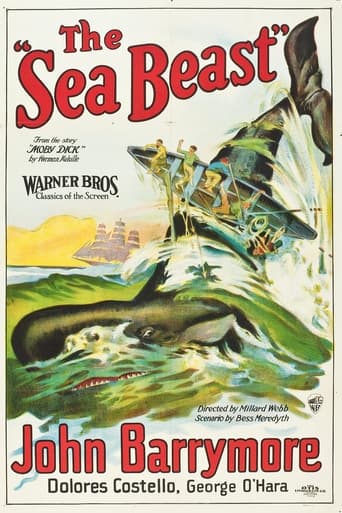
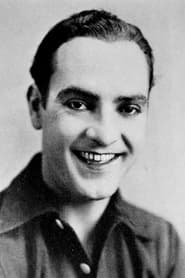
George O'Hara, born George Bolger, was an American actor and screenwriter who rose to prominence during the silent film era. Beginning his career as a model, he transitioned to acting in the late 1910s and quickly became a popular romantic lead, particularly known for his work in comedy films at Fox Film Corporation. Throughout the 1920s, he appeared in numerous silent films, often starring opposite leading actresses like Corinne Griffith and establishing himself as a reliable presence in romantic comedies. His role in 'The Sea Beast' (1926) alongside John Barrymore demonstrated his versatility beyond pure comedy. With the advent of sound films, O'Hara successfully transitioned to screenwriting in the early 1930s, penning scripts for various comedy series. His career in front of the camera gradually diminished, but he continued contributing to Hollywood through his writing until the mid-1930s. O'Hara's journey from leading man to respected screenwriter exemplifies the adaptability required of many silent era stars during Hollywood's technological transition.
The Craft
On Screen
Known for his charming and affable screen presence, George O'Hara specialized in light romantic comedy roles during the silent era. His acting style was characterized by expressive facial features and physical comedy skills that translated well to silent films. O'Hara possessed a natural charisma that made him believable as a romantic lead, while his comedic timing allowed him to excel in lighter fare. His performances typically conveyed warmth and approachability, making him a popular choice for films requiring a likable male protagonist.
Milestones
- Transitioned from modeling to silent film acting
- Became popular romantic lead at Fox Film Corporation
- Appeared in 'The Sea Beast' (1926) with John Barrymore
- Successfully transitioned to screenwriting in early 1930s
- Wrote scripts for popular comedy series
Best Known For
Iconic Roles
Must-See Films
Working Relationships
Worked Often With
Studios
Why They Matter
Impact on Culture
George O'Hara represents the typical journey of many silent era actors who successfully adapted to Hollywood's changing landscape. His career trajectory from leading man to screenwriter demonstrates the versatility required during the transition from silent to sound films. While not achieving legendary status, O'Hara's work in popular silent comedies contributed to the development of the romantic comedy genre during its formative years in Hollywood. His ability to transition behind the camera as a writer also exemplifies how many silent era stars found continued relevance in the industry through different creative capacities.
Lasting Legacy
George O'Hara's legacy lies primarily in his contributions to silent film comedy and his successful adaptation to the changing film industry. Though not as widely remembered as some of his contemporaries, his body of work during the 1920s represents the typical romantic comedy fare that entertained audiences of the era. His later career as a screenwriter demonstrates the resilience and adaptability of silent era performers who managed to remain relevant in Hollywood's technological evolution. O'Hara's career serves as a valuable case study in the challenges and opportunities faced by actors during one of cinema's most transformative periods.
Who They Inspired
While George O'Hara did not achieve the level of influence that would make him a major figure in film history, his work in romantic comedies during the silent era contributed to the development of genre conventions that would later be refined by sound films. His successful transition to screenwriting also provided a model for other actors facing career challenges during the transition to sound. O'Hara's career demonstrates the importance of adaptability in the film industry, a lesson that continues to be relevant for performers in subsequent generations.
Off Screen
George O'Hara was married twice during his lifetime. His first marriage was to actress Virginia Vance in 1926, though the marriage ended in divorce. He later married actress and screenwriter Evelyn Keyes in 1938, but this marriage also ended in divorce. O'Hara had no children from either marriage. In his later years, he largely stepped away from the entertainment industry and lived a relatively private life in Los Angeles until his death in 1966.
Education
Limited information available about his formal education
Family
- Virginia Vance (1926-1928)
- Evelyn Keyes (1938-1940)
Did You Know?
- Born George Bolger but used the stage name George O'Hara for his film career
- Began his entertainment career as a model before transitioning to acting
- Was primarily associated with Fox Film Corporation during his acting career
- Successfully transitioned from acting to screenwriting in the early 1930s
- Married actress Evelyn Keyes, who was significantly younger than him
- Appeared in 'The Sea Beast' (1926), which was an adaptation of Moby Dick starring John Barrymore
- His film career largely coincided with the silent era and early sound period
- Like many silent era stars, his career diminished with the full advent of sound films
- Wrote scripts for several popular comedy series in the 1930s
- Retired from the entertainment industry before the end of the 1930s
Frequently Asked Questions
Who was George O'Hara?
American with credits in this catalog. Born George Bolger in 1899, he was known for his romantic leading roles in silent comedies, particularly at Fox Film Corporation, before transitioning to screenwriting in the 1930s.
What films is George O'Hara best known for?
Titles linked here include The Sea Beast (1926), The Garden of Eden (1928).
When was George O'Hara born and when did he die?
Born January 23, 1899; died October 16, 1966.
What awards did George O'Hara win?
There are no significant awards or nominations recorded for George O'Hara during his career in the entertainment industry. Like many actors of his era, he did not receive the formal recognition that became more common in later decades of Hollywood.
What was George O'Hara's acting style?
George O'Hara was known for his charming and affable screen presence, specializing in light romantic comedy roles during the silent era. His style featured expressive facial features and physical comedy skills that translated well to silent films, combined with natural charisma that made him believable as a romantic lead.
How did George O'Hara transition from acting to writing?
With the advent of sound films in the late 1920s and early 1930s, George O'Hara, like many silent era actors, found opportunities diminishing. He successfully transitioned to screenwriting in the early 1930s, penning scripts for various comedy series. This adaptation allowed him to remain relevant in Hollywood's changing landscape even as his acting career wound down.