No Poster
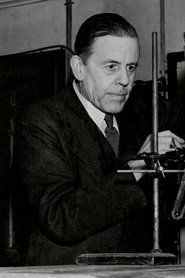
F. Percy Smith
Director
Born: January 12, 1880 in London, England Died: March 24, 1944 Active: 1908-1944 Birth Name: Frank Percy Smith
Films
1 film
About F. Percy Smith
Frank Percy Smith — British naturalist, photographer, and early filmmaker who revolutionized the field of nature documentaries through his innovative time-lapse and microscopic cinematography techniques. Born in London in 1880, Smith developed a passion for natural history from childhood and began experimenting with photography to document plant growth and insect behavior in ways never before captured on film. He joined Charles Urban's Urban Trading Company in the early 1900s, where he created films like 'The Birth of a Flower' (1910) and 'The Acrobatic Fly' (1910), which demonstrated his ability to reveal natural phenomena invisible to the naked eye. During World War I, Smith applied his technical expertise to create military training films, showcasing his versatility as a filmmaker. In the 1920s and 1930s, he worked extensively with British Instructional Films, producing a series of acclaimed nature documentaries that established many conventions of the genre. Smith's meticulous approach to filming, combined with his deep scientific knowledge, allowed him to capture the hidden world of nature with unprecedented clarity and artistic vision. He continued working in film until his death in 1944, leaving behind a legacy that influenced generations of nature documentary filmmakers and helped establish scientific cinema as a legitimate art form.
The Craft
Behind the Camera
Smith's directing style was characterized by meticulous scientific observation combined with artistic sensibility, focusing on revealing natural processes invisible to the human eye through innovative camera techniques including time-lapse photography, microscopic filming, and careful composition of natural subjects.
Milestones
- Created 'The Acrobatic Fly' (1910)
- Pioneered time-lapse photography techniques
- Worked for Charles Urban's Urban Trading Company
- Produced 'The Birth of a Flower' (1910)
- Created military training films during WWI
- Developed microscopic cinematography methods
- Worked with British Instructional Films in the 1920s-1930s
Best Known For
Must-See Films
Accolades
Special Recognition
- Recognized as a pioneer of scientific cinema
- Contributed to the development of documentary filmmaking techniques
Working Relationships
Worked Often With
Studios
Why They Matter
Impact on Culture
Frank Percy Smith fundamentally changed how audiences perceived the natural world by making invisible processes visible through his innovative film techniques. His time-lapse photography of flowers blooming and microscopic filming of insects revealed aspects of nature that had never been seen before, inspiring wonder and scientific curiosity in early cinema audiences. Smith's work helped establish nature documentary as a legitimate film genre and demonstrated cinema's potential as an educational tool. His techniques influenced countless filmmakers who followed, from the BBC Natural History Unit to modern nature documentarians like David Attenborough. Smith's films bridged the gap between scientific observation and popular entertainment, making complex natural processes accessible and engaging to general audiences during the early 20th century.
Lasting Legacy
Frank Percy Smith's legacy endures in the techniques and approaches he developed for nature cinematography, many of which are still used in modern documentary filmmaking. His work in time-lapse photography laid the groundwork for countless nature documentaries that followed, and his methodical approach to filming natural subjects established standards for scientific accuracy in nature films. The 'Secrets of Nature' series he contributed to became a model for educational filmmaking and influenced generations of documentary filmmakers. Smith's ability to combine scientific rigor with artistic vision helped establish nature documentary as both an educational tool and an art form. Today, his films are studied by film historians and naturalists alike as early examples of how cinema could reveal the hidden wonders of the natural world.
Who They Inspired
Smith's innovative techniques directly influenced the development of nature documentary filmmaking, particularly through his work with the 'Secrets of Nature' series which inspired similar educational film series worldwide. His time-lapse photography methods were adopted and refined by later filmmakers including the BBC Natural History Unit. Filmmakers like David Attenborough and the production teams behind modern nature documentaries owe a debt to Smith's work in making invisible natural processes visible. His approach to combining scientific accuracy with cinematic storytelling became a template for educational filmmaking throughout the 20th century. Contemporary filmmakers using macro photography and time-lapse techniques are continuing the tradition Smith established over a century ago.
Off Screen
Frank Percy Smith was known to be a dedicated naturalist who spent much of his life studying and documenting the natural world. He was married and had children, though specific details about his family life are limited in historical records. His passion for natural history extended beyond his professional work into his personal interests, and he was known among colleagues for his patience and meticulous attention to detail in both his scientific observations and filmmaking techniques.
Education
Self-taught in photography and natural history; no formal film education available during his early career period
Family
- Unknown
Did You Know?
- Smith was one of the first filmmakers to use time-lapse photography to show plant growth
- He built his own specialized cameras and equipment to film microscopic subjects
- His film 'The Acrobatic Fly' showed a fly performing seemingly impossible tricks, achieved through careful training and filming techniques
- Smith developed techniques to keep insects and small creatures alive and active during filming sessions
- During WWI, he created training films for the British military using his expertise in close-up photography
- His work with Charles Urban helped establish Britain as a leader in early scientific and educational cinema
- Smith could spend weeks or even months filming a single sequence to capture the perfect natural process
- He was known to keep elaborate insect habitats in his home to study and film his subjects
- His films were among the first to demonstrate cinema's educational potential beyond entertainment
- Smith's techniques for filming underwater and microscopic subjects were revolutionary for their time
In Their Own Words
The camera reveals what the eye cannot see, and in nature's hidden processes lies the greatest drama of all.
Patience is the filmmaker's greatest virtue when working with nature's own timetable.
Every creature, no matter how small, has its own story to tell if we but take the time to watch and listen.
Frequently Asked Questions
Who was F. Percy Smith?
Frank Percy Smith — British naturalist and filmmaker who revolutionized nature documentaries through his innovative time-lapse and microscopic cinematography techniques. He worked primarily in the early 20th century and was instrumental in establishing scientific cinema as both an educational tool and art form.
What films is F. Percy Smith best known for?
Titles linked here include The Acrobatic Fly (1910), The Birth of a Flower (1910).
When was F. Percy Smith born and when did he die?
Born January 12, 1880; died March 24, 1944.
What awards did F. Percy Smith win?
While formal film awards were limited during Smith's active period, he was widely recognized as a pioneer of scientific cinema and nature documentary filmmaking. His contributions were primarily acknowledged through the lasting influence his techniques had on future generations of filmmakers.
What was F. Percy Smith's directing style?
Smith's directing style combined meticulous scientific observation with artistic sensibility, focusing on revealing natural phenomena through innovative camera techniques. He pioneered time-lapse photography, microscopic filming, and careful composition to make invisible natural processes visible to audiences.
How did F. Percy Smith influence modern filmmaking?
Smith's techniques in time-lapse photography and microscopic cinematography laid the groundwork for modern nature documentaries. His work influenced the BBC Natural History Unit and countless documentary filmmakers who continue to use and refine his methods for capturing natural phenomena on film.