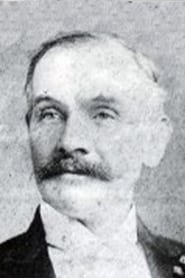
Birt Acres
Director
Born: July 23, 1852 in Richmond, Virginia, USA Died: December 27, 1918 Active: 1895
Films
2 films
About Birt Acres
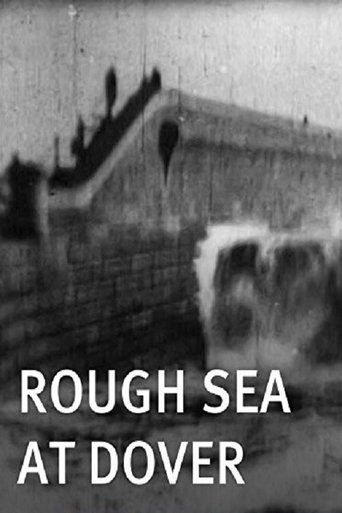
Figure in the earliest days of cinema, making significant contributions to the development of motion picture technology in Britain during the mid-1890s. Born in America but raised in England, Acres began his career as a photographer and inventor before becoming fascinated with the possibilities of moving images. In 1895, he partnered with Robert W. Paul to develop one of Britain's first film cameras, and together they created some of the earliest motion pictures ever made in the country. Acres directed several short films that year, most notably 'Rough Sea at Dover,' which demonstrated his ability to capture dynamic natural scenes. His filmmaking career was remarkably brief, lasting essentially only through 1895, as he soon returned to his primary passion of photography and invention. Despite the short duration of his film work, Acres in establishing the technical and artistic foundations of British cinema during its nascent stages. His innovations in camera technology and his early experiments in capturing motion on film helped pave the way for the British film industry that would follow.
The Craft
Behind the Camera
As one of cinema's earliest directors, Acres' style was purely observational and documentary-like, capturing real scenes and events without narrative structure or artistic embellishment. His films were typically single, unedited shots that lasted less than a minute, focusing on capturing movement and action as it naturally occurred. His approach was experimental, exploring the technical possibilities of the new medium rather than pursuing storytelling or artistic expression.
Milestones
- Developed one of Britain's first film cameras with Robert W. Paul
- Directed 'Rough Sea at Dover' (1895), one of the earliest British films
- Created 'The Oxford and Cambridge Boat Race' (1895)
- Filmed 'The Boxing Kangaroo' (1895)
- Pioneered early motion picture technology in Britain
- Contributed to the development of 35mm film format
Best Known For
Must-See Films
Accolades
Special Recognition
- Recognized as one of Britain's film pioneers in historical cinema studies
- Featured in the British Film Institute's early cinema archives
Working Relationships
Worked Often With
Studios
Why They Matter
Impact on Culture
Birt Acres holds a significant place in cinema history as one of the true pioneers of British filmmaking. His work in 1895 represents some of the earliest motion pictures created in Britain, helping to establish the technical and artistic foundations for the British film industry. While his career in cinema was remarkably brief, his contributions to early film technology, particularly his work on camera development with Robert W. Paul, were instrumental in advancing the medium. His films, though simple by modern standards, demonstrated the potential of motion pictures to capture and preserve moving images of real life, influencing subsequent generations of British filmmakers. Acres' work represents the experimental spirit of cinema's birth, when inventors and photographers were first discovering the possibilities of this revolutionary new art form.
Lasting Legacy
Birt Acres' legacy endures as one of the foundational figures in British cinema history, despite his extremely brief involvement in filmmaking. His technical innovations in camera design and his early films are studied by film historians as examples of cinema's earliest days. The British Film Institute and other cinema archives preserve his work as important artifacts of film history. Acres represents the transition from still photography to motion pictures, embodying the spirit of the 1890s when inventors worldwide were racing to perfect moving image technology. His name appears in historical accounts of early cinema alongside other pioneers like the Lumière brothers and Thomas Edison, cementing his place in the pantheon of film innovators.
Who They Inspired
Acres influenced early British cinema primarily through his technical innovations rather than through artistic influence on other filmmakers, given his brief career. His work on early camera technology with Robert W. Paul helped establish technical standards that would influence subsequent British film equipment development. His films served as early examples of what could be captured on celluloid, inspiring other pioneers to explore the medium's possibilities. While he didn't directly mentor filmmakers due to his short cinema career, his experimental approach to capturing motion on film demonstrated the artistic potential of the new medium to others who would follow.
Off Screen
Birt Acres led a diverse professional life, primarily working as a photographer and inventor before his brief but significant foray into cinema. He was married twice during his lifetime, first to Annie Maria Sherrin and later to Rose Adelaide Miles. Acres had several children from his marriages. Beyond his work in early film, he was known for his innovations in photography and held various patents for photographic equipment. After his brief cinema career in 1895, he returned to his photography business and continued working as an inventor until his death in 1918.
Education
Limited formal education documented; largely self-taught in photography and mechanical engineering
Family
- Annie Maria Sherrin (1875-?)
- Rose Adelaide Miles (1888-1918)
Did You Know?
- Born in America but became a British citizen
- Originally worked as a photographer before entering cinema
- His film career lasted only one year (1895)
- Developed one of the first 35mm film cameras in Britain
- His film 'Rough Sea at Dover' is considered one of the earliest examples of capturing nature on film
- Partnered with Robert W. Paul to create early film equipment
- Held multiple patents for photographic and film equipment
- Returned to photography after his brief film career
- His films were typically less than one minute long
- Considered one of the 'fathers of British cinema' despite his short career
In Their Own Words
No widely documented quotes from Birt Acres survive from his lifetime
Frequently Asked Questions
Who was Birt Acres?
British film pioneer and inventor who made some of the earliest motion pictures in Britain during 1895. He worked as a photographer and developed one of Britain's first film cameras with Robert W. Paul, creating historically significant films like 'Rough Sea at Dover' before returning to photography.
What films is Birt Acres best known for?
Titles linked here include Rough Sea at Dover (1895), The Oxford and Cambridge Boat Race (1895).
When was Birt Acres born and when did he die?
Born July 23, 1852; died December 27, 1918.
What awards did Birt Acres win?
Birt Acres did not receive any formal awards during his lifetime, as he worked in cinema during its earliest days before film awards existed. However, he is now recognized posthumously as one of the important pioneers of British cinema and is featured in film history archives and studies.
What was Birt Acres' directing style?
Acres' directing style was purely observational and experimental, typical of cinema's earliest days. His films consisted of single, unedited shots lasting less than a minute, capturing real scenes and events without narrative structure. His approach focused on demonstrating the technical possibilities of motion pictures rather than pursuing artistic storytelling.
Why was Birt Acres' film career so short?
Acres' film career lasted only about a year in 1895 because he was primarily interested in the technical and inventive aspects of cinema rather than filmmaking itself. After developing early film technology and creating several films, he returned to his main career as a photographer and inventor, leaving filmmaking to others who would develop the artistic side of the medium.
How did Birt Acres contribute to early film technology?
Acres made significant contributions to early film technology by co-developing one of Britain's first practical film cameras with Robert W. Paul. He helped advance 35mm film technology and held patents for various photographic and film equipment innovations that were crucial in the early development of motion picture technology in Britain.