Te Wei
Director
Born: January 22, 1915 in Shanghai, China Died: February 4, 2010 Active: 1949-2010 Birth Name: Te Sen (特森)
Films
1 film
About Te Wei
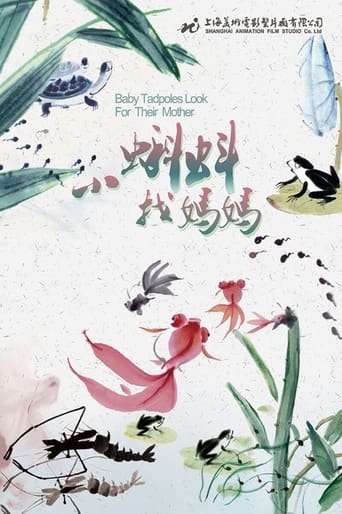
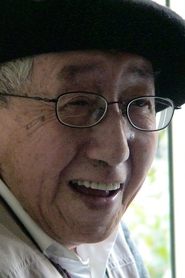
Te Wei (特伟) was a Chinese animation director who revolutionized the art form by incorporating traditional Chinese painting techniques into animated films. Born in Shanghai in 1915, he began his career as a cartoonist and illustrator before transitioning to animation after the founding of the People's Republic of China in 1949. He became the first director of the Shanghai Animation Film Studio in 1957, where he would create his most influential works. His 1960 masterpiece 'Where is Mama' (小蝌蚪找妈妈) broke new ground by using ink wash painting techniques to create fluid, poetic animation that captured the essence of traditional Chinese art. Throughout his career spanning over four decades, Te Wei continued to innovate with films like 'The Cowboy's Flute' (1963) and 'Feeling from Mountain and Water' (1988), both employing traditional artistic styles. He mentored generations of Chinese animators and established a unique aesthetic for Chinese animation that it from Western and Japanese styles. His work earned international recognition and helped establish Chinese animation as a significant force in global cinema. Te Wei remained active in the animation community until his death in 2010, leaving behind a legacy that Chinese animators today.
The Craft
Behind the Camera
Te Wei's directing style was characterized by the innovative integration of traditional Chinese painting techniques into animation, particularly ink wash painting (水墨画). He emphasized poetic, fluid movements and naturalistic storytelling that reflected Chinese artistic traditions. His approach was minimalist yet expressive, often using negative space and subtle color palettes to create atmospheric, contemplative pieces. Unlike Western animation's emphasis on exaggerated movement and bright colors, Te Wei's style favored elegance, subtlety, and artistic refinement, creating a distinctly Chinese animation language that drew from centuries of artistic heritage.
Milestones
- Became first director of Shanghai Animation Film Studio (1957)
- Directed groundbreaking 'Where is Mama' (1960)
- Created 'The Cowboy's Flute' (1963) using traditional painting techniques
- Directed 'Feeling from Mountain and Water' (1988)
- Established unique Chinese animation aesthetic
- Mentored generations of Chinese animators
Best Known For
Must-See Films
Accolades
Won
- Golden Rooster Award for Lifetime Achievement (1995)
- Outstanding Artist Award from Chinese Ministry of Culture
- International Animation Festival awards
- China Film Lifetime Achievement Award
Nominated
- Multiple international animation festival nominations
Special Recognition
- Considered the 'Walt Disney of China'
- Honored as a National Treasure of Chinese Animation
- Posthumously recognized for contributions to Chinese culture
Working Relationships
Worked Often With
Studios
Why They Matter
Impact on Culture
Te Wei fundamentally transformed Chinese animation by establishing a unique aesthetic that it from Western and Japanese styles. His integration of traditional Chinese painting techniques into animation created a new art form that celebrated Chinese cultural heritage while pushing artistic boundaries. His films, particularly 'Where is Mama' and 'Feeling from Mountain and Water,' demonstrated that animation could be a medium for high art, not just entertainment. This approach elevated the status of animation in China and influenced how Chinese culture was perceived internationally. Te Wei's work helped preserve and promote traditional Chinese artistic techniques in a modern medium, ensuring their relevance for new generations. His films have been studied in art schools worldwide as examples of how traditional art forms can be adapted to contemporary media.
Lasting Legacy
Te Wei's legacy as the father of modern Chinese animation is unparalleled. He established the Shanghai Animation Film Studio as China's premier animation institution and created a distinctive Chinese animation style that continues to influence animators today. His techniques of combining traditional painting with animation have become a hallmark of Chinese animation aesthetics. Many of his films remain classics and are still studied by animation students worldwide. The 'Te Wei style' of animation—characterized by its poetic, painterly quality—has become a reference point for Chinese animators seeking to create work with cultural authenticity. His emphasis on artistic integrity over commercial success set a standard for Chinese animation that continues to inspire. The international recognition his films received helped put Chinese animation on the global map and opened doors for future Chinese animators.
Who They Inspired
Te Wei influenced generations of Chinese animators through his work at the Shanghai Animation Film Studio and his innovative techniques. His approach to animation as a fine art form rather than just commercial entertainment changed how Chinese animators viewed their craft. Many contemporary Chinese animators cite his work as inspiration for incorporating traditional Chinese artistic elements into modern animation. His films have been studied by animation students worldwide, spreading his influence beyond China. The technical innovations he developed for creating animated ink wash paintings have been adapted and refined by subsequent animators. His success proved that culturally specific animation could achieve international recognition, encouraging other animators to explore their own cultural heritage. The artistic standards he set continue to influence the quality and aesthetic direction of Chinese animation today.
Off Screen
Te Wei was born into a family of artists in Shanghai and showed early talent in drawing. He married and had children who continued his artistic legacy. Throughout his life, he remained deeply connected to traditional Chinese culture and arts, collecting paintings and calligraphy. He was known for his humble personality despite his enormous influence on Chinese animation. In his later years, he continued to mentor young animators and promote Chinese animation internationally. He lived in Shanghai for most of his life and was actively involved in the artistic community until his death at age 95.
Education
Self-taught artist with formal training in traditional Chinese painting and calligraphy
Family
- Wife's name not publicly documented
Did You Know?
- 'Where is Mama' was based on a popular Chinese children's story about tadpoles searching for their mother
- The film used revolutionary ink wash painting animation techniques that took years to perfect
- Te Wei was largely self-taught in animation, learning through experimentation
- He was often called the 'Walt Disney of China' for his role in Chinese animation
- His films were banned during the Cultural Revolution but later rehabilitated
- Te Wei continued creating art well into his 80s
- His work influenced the aesthetic of Studio Ghibli's co-founder Isao Takahata
- The Shanghai Animation Film Studio under his direction produced over 200 animated films
- Te Wei was also accomplished in traditional Chinese painting and calligraphy
- His films have been preserved in the permanent collection of major international film archives
In Their Own Words
Animation is not just for children; it is an art form that can express the deepest emotions and cultural values
We must create animation with Chinese characteristics, rooted in our own cultural heritage
The brush stroke in animation can be as expressive as in traditional painting
Art should transcend time and culture, speaking to universal human experiences
Innovation comes from respecting tradition while daring to experiment
Frequently Asked Questions
Who was Te Wei?
Chinese animation on YTB.my. He founded the Shanghai Animation Film Studio and directed classic films like 'Where is Mama' (1960), establishing himself as the father of modern Chinese animation.
What films is Te Wei best known for?
Titles linked here include Where is Mama (1960), The Cowboy's Flute (1963).
When was Te Wei born and when did he die?
Born January 22, 1915; died February 4, 2010.
What awards did Te Wei win?
Te Wei received numerous awards including the Golden Rooster Award for Lifetime Achievement in 1995, the Outstanding Artist Award from the Chinese Ministry of Culture, and multiple international animation festival awards. He was also honored as a National Treasure of Chinese Animation for his contributions to the art form.
What was Te Wei's directing style?
Te Wei's directing style was characterized by the innovative integration of traditional Chinese painting techniques, particularly ink wash painting, into animation. He emphasized poetic, fluid movements and naturalistic storytelling that reflected Chinese artistic traditions, creating a distinctive aesthetic that Chinese animation from Western and Japanese styles.