
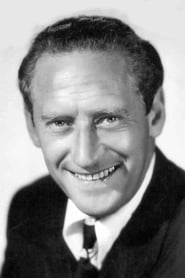
Al Ritz
Actor
Born: October 27, 1901 in Newark, New Jersey, USA Died: December 16, 1965 Active: 1920s-1960s Birth Name: Albert Joachim
Films
1 film
About Al Ritz
Al Ritz (born Albert Joachim) was the eldest member of the renowned comedy trio The Ritz Brothers, which also included his brothers Jimmy and Harry. Born into a Jewish family in Newark, New Jersey, Al began performing in vaudeville with his brothers in the 1920s, developing their signature manic, chaotic style of comedy. As the nominal straight man of the group, Al often played the more composed character while his brothers engaged in zany antics, though he frequently participated in their trademark musical numbers and dance routines. The Ritz Brothers transitioned to Broadway in the early 1930s with shows like 'Flying High' before signing with 20th Century Fox in 1936, where they appeared in a series of successful musical comedies. Their film career peaked in the late 1930s with movies like 'On the Avenue' (1937), 'The Three Musketeers' (1939), and 'The Gorilla' (1939). After their Fox contract ended, the brothers continued performing in nightclubs, on television, and in occasional films through the 1950s and 1960s. Al's over four decades of entertainment, making him a pioneer of American comedy performance during the Golden Age of Hollywood.
The Craft
On Screen
Al Ritz specialized in a unique blend of deadpan delivery and physical comedy, serving as the anchor for his brothers' more outrageous performances. His style incorporated elements of vaudeville timing, musical comedy, and subtle facial expressions that provided perfect contrast to the chaos surrounding him. Unlike traditional straight men, Al would often break character unexpectedly, adding an extra layer of surrealism to their routines. His performances featured precise dance movements, smooth vocal delivery in musical numbers, and an ability to maintain composure while his brothers engaged in their trademark mayhem.
Milestones
- Formed The Ritz Brothers comedy trio with brothers Jimmy and Harry
- Starred in Broadway hit 'Flying High' (1932)
- Signed contract with 20th Century Fox (1936)
- Appeared in 20+ films during Golden Age of Hollywood
- Performed in major venues across America including the Copacabana
- Transitioned successfully to television in the 1950s
- Received star on Hollywood Walk of Fame
Best Known For
Iconic Roles
Must-See Films
Accolades
Won
- Hollywood Walk of Fame Star (1960)
Special Recognition
- Star on Hollywood Walk of Fame for Motion Pictures (located at 6673 Hollywood Blvd)
- Inducted into New Jersey Hall of Fame as part of The Ritz Brothers
Working Relationships
Worked Often With
Studios
Why They Matter
Impact on Culture
The Ritz Brothers, with Al as their foundation, represented a unique bridge between vaudeville traditions and Hollywood's Golden Age comedy. Their manic, surreal style of comedy influenced generations of performers, from the Marx Brothers to modern comedy troupes. They were among the first comedy teams to successfully integrate musical numbers into their routines, setting a precedent for future musical comedies. Their work helped establish the template for the 'straight man' character in comedy ensembles, with Al's particular style of subtle humor serving as a model for countless performers who followed. The Ritz Brothers also broke barriers by bringing Jewish humor and sensibility to mainstream American audiences during a period when such representation was limited.
Lasting Legacy
Al Ritz's legacy endures through The Ritz Brothers' influence on American comedy and their preserved film catalog. Their innovative approach to combining music, dance, and comedy paved the way for future entertainment formats, including television variety shows. The trio's work is studied by comedy historians and performers as an example of perfect ensemble timing and the art of the comedy trio. Film preservation societies continue to restore and showcase their movies, introducing new generations to their unique brand of humor. Al's particular contribution as the anchor of the group demonstrated the importance of the straight man role in comedy, influencing how comedy ensembles would be structured for decades to come.
Who They Inspired
Al Ritz and The Ritz Brothers directly influenced comedy teams like The Three Stooges, who adapted elements of their chaotic energy, and The Marx Brothers, who incorporated more musical elements after seeing The Ritz Brothers' success. Their style can be seen in later comedy groups from The Three Stooges to modern ensembles like The Kids in the Hall. The way Al balanced deadpan delivery with physical comedy became a template for straight men in comedy, influencing performers like Bud Abbott and Dick Smothers. Their integration of musical comedy elements influenced everything from Broadway shows to television variety programs, including shows hosted by Dean Martin and Jerry Lewis, who cited The Ritz Brothers as an inspiration.
Off Screen
Al Ritz married twice during his lifetime, first to Esther Ritz with whom he had children, and later to Sylvia Ritz. He maintained close relationships with his brothers throughout their careers, both professionally and personally, with the trio living near each other in California for many years. Despite his public persona as the composed member of the comedy team, those close to him described Al as having a dry wit and being the business-minded member who handled many of the group's contractual negotiations. He was known for his dedication to his craft, often spending hours perfecting dance routines and musical numbers with his brothers.
Education
Limited formal education; trained in vaudeville and performance arts through practical experience in traveling shows and theater circuits
Family
- Esther Ritz (1925-1945)
- Sylvia Ritz (1946-1965)
Did You Know?
- Al was the oldest of the Ritz Brothers by 7 years
- Originally performed under the name 'The Ritz Brothers' despite not all being biologically brothers (Harry was adopted)
- Their family name was originally 'Joachim' before adopting 'Ritz' as their stage name
- The trio was discovered by Broadway producer Alex A. Aarons while performing in a Newark nightclub
- They were known for their trademark 'Ritz Brothers laugh' - a contagious, high-pitched giggle
- Al was the business-minded brother who negotiated most of their contracts
- The Ritz Brothers appeared at President Franklin D. Roosevelt's birthday celebration in 1937
- They were among the first comedy teams to have their own radio show
- Al was an accomplished dancer who often choreographed the group's routines
- The trio was famous for their charity work, especially for Jewish organizations and war bond drives during WWII
- Their film 'The Gorilla' (1939) was one of the first horror-comedy hybrids
- Al once turned down a solo career opportunity to stay with his brothers
In Their Own Words
Comedy is serious business - you have to be deadly serious about being funny
The secret to our success? Three brothers who never stopped arguing about who was funniest
In our family, if you weren't laughing, you weren't paying attention
Vaudeville taught us everything - how to sing, dance, and fall flat on your face and make it look intentional
Frequently Asked Questions
Who was Al Ritz?
Al Ritz was the eldest member of The Ritz Brothers comedy trio, a popular American comedy team active from the 1920s through the 1960s. He served as the straight man and business manager for the group, appearing in numerous films and stage productions during Hollywood's Golden Age.
What films is Al Ritz best known for?
Al Ritz is best known for his appearances in The Ritz Brothers films including 'The Gorilla' (1939), 'The Three Musketeers' (1939), 'On the Avenue' (1937), 'Life of the Party' (1937), and 'Straight, Place and Show' (1938). These films showcased their unique blend of comedy, music, and dance.
When was Al Ritz born and when did he die?
Al Ritz was born on October 27, 1901, in Newark, New Jersey, and passed away on December 16, 1965, in Los Angeles, California, at the age of 64. His birth name was Albert Joachim.
What awards did Al Ritz win?
Al Ritz received a star on the Hollywood Walk of Fame in 1960 for his contributions to motion pictures. The Ritz Brothers were also inducted into the New Jersey Hall of Fame, recognizing their significant impact on American entertainment.
What was Al Ritz's acting style?
Al Ritz specialized in deadpan comedy as the straight man of The Ritz Brothers, using subtle facial expressions and precise timing to contrast with his brothers' manic performances. His style incorporated vaudeville techniques, musical comedy elements, and an ability to maintain composure amidst chaos.
How did The Ritz Brothers influence comedy?
The Ritz Brothers pioneered a unique style of surreal, musical comedy that influenced later comedy teams and variety shows. Their integration of music, dance, and comedy set standards for entertainment formats that would follow in both film and television.
Were The Ritz Brothers really brothers?
Al and Jimmy Ritz were biological brothers, while Harry was their adopted brother. Despite this, they performed and lived as brothers throughout their careers, with the family name originally being Joachim before adopting 'Ritz' as their stage name.