Films
2 films
About Suzanne Kaaren
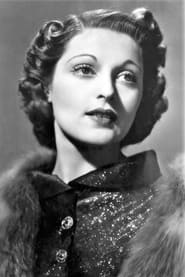
American actress associated with the late silent-to-early sound era of Hollywood, with a screen career that appears to have been brief and concentrated in the second half of the 1930s and the early 1940s. She is best remembered today for supporting and featured appearances in low-budget genre films and comedy shorts, including an appearance in the Three Stooges comedy Disorder in the Court (1936) and the horror feature The Devil Bat (1940). Like many studio-era performers whose careers were built through short roles, atmospheric parts, and genre pictures rather than headline stardom, Kaaren worked within the fast-moving world of B-movie production where reliability and screen presence mattered as much as marquee status. Surviving documentation on her life is limited, and she does not appear to have had a long public career beyond her film work in this period. Her name remains familiar to classic-cinema enthusiasts primarily because of her credits in cult favorites that continue to circulate on television, home video, and streaming platforms. Her filmography suggests she was one of the many talented contract or freelance players who contributed to the texture of Hollywood genre cinema without becoming a major star. Because available biographical records are sparse, many personal details about her life remain undocumented in widely accessible sources.
The Craft
On Screen
Based on her surviving film appearances, Suzanne Kaaren's screen work appears to have relied on straightforward, polished studio-era performance conventions rather than highly individualized star mannerisms. Her roles likely depended on expressive reaction, clear diction in sound pictures, and an efficient presence suited to shorts and low-budget features. In the films for which she is remembered, she functions as a supporting player who helps establish tone and pacing rather than as the dramatic center. Her style fits the pragmatic, often economical acting demanded by 1930s Columbia shorts and Poverty Row horror productions.
Milestones
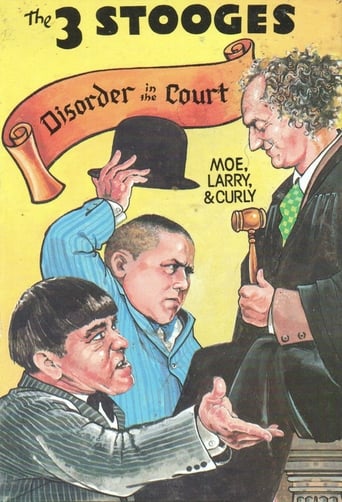
- Appeared in the Three Stooges short subject Disorder in the Court (1936), a widely remembered comedy entry from Columbia Pictures.
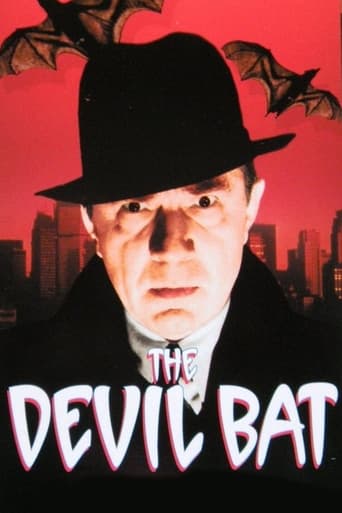
- Appeared in The Devil Bat (1940), a cult horror film associated with the rise of the low-budget studio-era monster picture.
- Worked during a period when supporting performers helped shape the look and pace of B-movies and short comedies.
- Maintained a screen presence in classic genre cinema despite a brief and limited filmography.
- Remains a recognizable name among collectors and historians of vintage Hollywood shorts and horror films.
Best Known For
Iconic Roles
Must-See Films
Working Relationships
Worked Often With
Studios
Why They Matter
Impact on Culture
Suzanne Kaaren's cultural impact is tied less to celebrity than to preservation: she represents the many working actors whose performances gave classic Hollywood shorts and genre films their texture. Her appearance in Disorder in the Court places her within the enduring Three Stooges comedy tradition,. Her role in The Devil Bat also links her to the early horror cycle that helped define the audience appetite for low-budget monster films in the 1940s. For viewers and historians, performers like Kaaren are important because they remind us that classic cinema was built not only by stars and auteurs but also by a large supporting community of dependable, capable players.
Lasting Legacy
Suzanne Kaaren's legacy lies in her presence in films that remain accessible and popular with classic-cinema audiences, especially viewers interested in comedy shorts and vintage horror. Although she was not a marquee-name star, her work survives in titles that continue to be discussed, screened, and restored as part of the American studio-era record. Her career exemplifies the many brief but essential screen careers that sustained Hollywood's production machine. In film history, such performers are invaluable because they preserve the social and aesthetic fabric of the period: accents, mannerisms, costume presentation, and supporting-character energy that help make these films feel alive.
Who They Inspired
There is no evidence that Suzanne Kaaren directly influenced later performers in a documented, personal mentorship sense. Her influence is instead indirect and historical, as part of the body of supporting work that shaped audience expectations for 1930s comedy and 1940s horror. Performers in similar roles helped establish the rhythm and tonal balance of short subjects and genre films, and later historians and fans continue to appreciate those contributions. Her work is representative of the many unheralded actors whose performances became part of the shared visual language of classic Hollywood.
Off Screen
Publicly available biographical information about Suzanne Kaaren's personal life is extremely limited. Standard classic-film references do not consistently provide details about her family background, marriages, children, or activities outside the screen. She appears to have kept a low profile, and unlike major stars of the era, she did not leave behind a substantial documented personal history in mainstream film sources. As a result, her private life remains largely undocumented in readily available historical records.
Did You Know?
- Suzanne Kaaren is remembered by classic-film fans mainly through two cult favorites: a Three Stooges short and a horror feature.
- Her screen career, as currently documented, was very brief and concentrated between 1936 and 1940.
- She appeared in Disorder in the Court,.
- She also appeared in The Devil Bat, a notable early-1940s low-budget horror film starring Bela Lugosi.
- She did not become a major studio star, which makes her a typical example of a working actress of the period whose surviving record is limited.
- Her filmography is valued by collectors and historians because it intersects with two enduring cult genres: slapstick comedy and horror.
- Many of her personal biographical details, including birth and death information, are not readily established in mainstream reference sources.
- Her surviving screen legacy is preserved primarily through the films themselves rather than through publicity stills, interviews, or extensive studio promotion.
Frequently Asked Questions
Who was Suzanne Kaaren?
American actress active in Hollywood from the late 1930s into 1940. She is best remembered for appearances in Disorder in the Court and The Devil Bat, which have kept her name visible among classic-cinema fans.
What films is Suzanne Kaaren best known for?
Titles linked here include Disorder in the Court (1936), The Devil Bat (1940).
When was Suzanne Kaaren born and when did she die?
Her birth and death dates are not readily confirmed in widely available standard reference sources. Available film records identify her as a studio-era actress active between 1936 and 1940, but her vital statistics remain unclear.
What awards did Suzanne Kaaren win?
No major awards or nominations are currently documented for Suzanne Kaaren in the available record. Her career appears to have been that of a working supporting actress rather than a decorated star.
What was Suzanne Kaaren's acting style?
Her acting style, as seen in surviving film appearances, fits the efficient, polished conventions of studio-era supporting players. She likely emphasized clear reaction, presence, and support for the scene’s comic or dramatic function rather than broad star-centered performance.
What is Suzanne Kaaren's legacy in film history?
Her legacy is as part of the deep supporting talent pool that made classic Hollywood shorts and genre pictures work. She remains of interest because her credits connect her to enduring cult films that are still watched and studied today.