
Films
3 films
About Yekaterina Derevshchikova
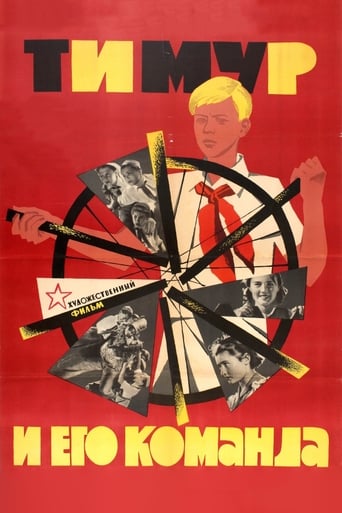
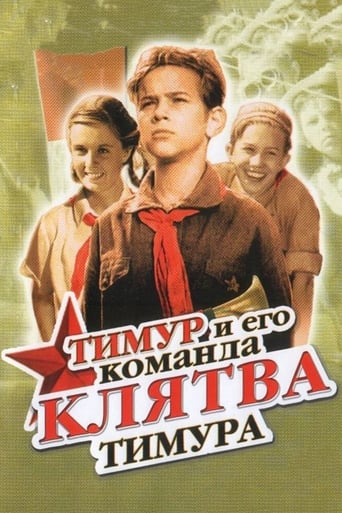
Yekaterina Derevshchikova worked on several notable films during the early 1940s, a period that coincided with World War II and the height of Stalinist cinema. Her career, though relatively brief, spanned from 1940 to 1946, during which she worked with some of the Soviet Union's most prominent directors of the era. She gained recognition for her roles in the Timur film series, which were based on Arkady Gaidar's beloved stories about young pioneers helping families of soldiers during the war. Her performance in 'The Stone Flower' (1946), directed by the renowned Aleksandr Ptushko, showcased her versatility in one of the first Soviet color films. Derevshchikova embodied the ideal of the Soviet youth actor, bringing authenticity and youthful energy to roles that emphasized collectivist values and patriotic duty. Her filmography, though limited, represents important works in Soviet cinema history that helped shape the cultural narrative of the wartime and immediate post-war periods.
The Craft
On Screen
Derevshchikova's acting style reflected the Soviet realist tradition of the 1940s, characterized by earnest performances that emphasized moral clarity and patriotic values. Her portrayals were marked by a naturalistic approach that appealed to Soviet audiences seeking authentic representations of youth during wartime. She brought a sincere enthusiasm to her roles, particularly in the Timur films where she embodied the ideal of the Soviet pioneer - dedicated, selfless, and committed to collective good.
Milestones
- Starred in 'Timur and His Team' (1940)
- Appeared in sequel 'Timur's Oath' (1942)
- Featured in 'The Stone Flower' (1946), one of the first Soviet color films
Best Known For
Iconic Roles
Must-See Films
Working Relationships
Worked Often With
Studios
Why They Matter
Impact on Culture
Yekaterina Derevshchikova contributed to Soviet cinema during a critical period when films served as powerful tools for morale and ideological education. Her work in the Timur films helped create enduring cultural icons that influenced generations of Soviet youth, promoting values of friendship, duty, and collective responsibility. These films became part of the cultural fabric of the Soviet Union, with characters and stories that were referenced in education and popular culture for decades. Her participation in 'The Stone Flower' also placed her at the forefront of Soviet technical innovation in cinema, as the film was among the first to utilize color technology in the USSR.
Lasting Legacy
Derevshchikova's legacy is preserved through her contributions to some of Soviet cinema's most beloved films. The Timur series, in which she appeared, remains an important part of Russian film history and continues to be studied as an example of wartime Soviet cinema. While her individual career may not have been extensive, her work helped create films that transcended their time to become classics of Soviet children's cinema, influencing how youth were portrayed in film throughout the Eastern Bloc.
Who They Inspired
As part of the ensemble cast in the Timur films, Derevshchikova contributed to creating a template for youth characters in Soviet cinema that would be emulated in subsequent decades. The films she appeared in helped establish conventions for portraying young people in Soviet media, emphasizing collective action over individual achievement and promoting socialist ideals through relatable characters.
Off Screen
Limited information is available about Yekaterina Derevshchikova's personal life, which was common for many Soviet-era actors who maintained private lives away from public scrutiny. As with many actors during this period, her career was likely influenced by the political climate and cultural policies of the Stalin era.
Did You Know?
- The Timur films were based on stories by Arkady Gaidar,
- 'The Stone Flower' was one of the first Soviet films shot in color using Agfacolor technology
- The Timur character became so popular that 'Timurite' movements emerged across the Soviet Union where children helped families of soldiers
- During WWII, Soviet cinema focused heavily on patriotic themes and morale-boosting content
- Child actors in Soviet films were often selected from drama schools affiliated with major studios
- The 1940s is considered a golden age for Soviet children's cinema
- Many Soviet actors of this era had dual careers in both theater and film
- Film production in the USSR faced significant challenges during WWII, with many studios evacuated eastward
Frequently Asked Questions
Who was Yekaterina Derevshchikova?
Soviet actress active during the 1940s, best known for her roles in the Timur film series and 'The Stone Flower'. She worked during a pivotal period in Soviet cinema, appearing in films that became cultural touchstones for generations of Soviet viewers.
What films is Yekaterina Derevshchikova best known for?
Titles linked here include Timur and His Team (1940), Timur's Oath (1942).
When was Yekaterina Derevshchikova active as an actress?
Her known film active years covered from 1940 to 1946, coinciding with World War II and the immediate post-war period in Soviet cinema. This was a time when films played an important role in Soviet cultural and political life.
What was the significance of the Timur films she appeared in?
The Timur films were based on Arkady Gaidar's stories about a young pioneer leader who helps families of soldiers during the war. These films became cultural phenomena in the USSR, inspiring real-life 'Timurite' movements among Soviet youth and serving as important propaganda and educational tools.
How did Soviet cinema in the 1940s influence her career?
Soviet cinema in the 1940s was heavily focused on patriotic themes and morale-boosting content during WWII. Derevshchikova's roles reflected these priorities, with her characters embodying the ideal Soviet values of collectivism, duty, and service to the community.