Films
1 film
About Brunnet
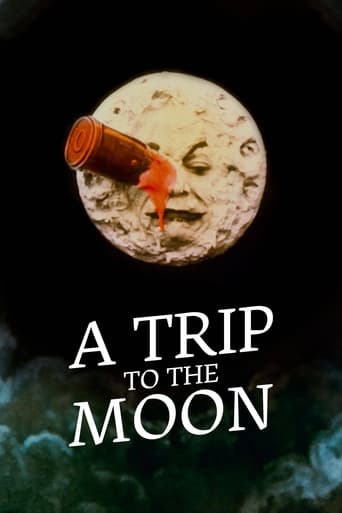
Brunnet is credited on a single production — A Trip to the Moon (1902). Brunnet's brief career coincided with the birth of narrative filmmaking, when actors were often drawn from theatrical backgrounds and worked anonymously in film productions. Like many early cinema performers, Brunnet's contribution was primarily as part of ensemble casts that brought Méliès' fantastical visions to life through elaborate costumes and mime performances. Brunnet appears during a pivotal moment when film was transitioning from simple novelty to sophisticated storytelling medium. Unfortunately, like many early film actors, detailed records of Brunnet's life and career beyond this single film appearance have been lost to history.
The Craft
Milestones
- Appeared in Georges Méliès' 'A Trip to the Moon' (1902),
Best Known For
Must-See Films
Working Relationships
Worked Often With
Studios
Why They Matter
Impact on Culture
Brunnet's contribution to cinema, while brief, is part of the foundational legacy of early French film. As a performer in 'A Trip to the Moon,' the actor participated in what would become. This film helped establish many cinematic techniques and storytelling conventions that would influence generations of filmmakers. The collective work of actors like Brunnet in Méliès' films demonstrated the potential of cinema as a medium for elaborate fantasy and spectacle, paving the way for the development of narrative film as an art form.
Lasting Legacy
While individual details about Brunnet are scarce, the actor's legacy is preserved through participation in one of cinema's most important early works. 'A Trip to the Moon' remains a cornerstone of film history, studied by scholars and admired by audiences over a century later. The film's enduring popularity ensures that all contributors, including ensemble actors like Brunnet, remain part of the historical record of cinema's birth.
Who They Inspired
As an early cinema performer, Brunnet was part of the generation that established acting conventions for the new medium of film. The theatrical style employed in Méliès' productions influenced how early film actors approached performance, emphasizing visual storytelling through gesture and expression that could communicate without dialogue.
Off Screen
Very little is known about Brunnet's personal life, as was common for many early cinema actors who worked before the era of film stardom and detailed record-keeping. Like many performers in Méliès' productions, the actor was likely drawn from theatrical or variety show backgrounds common in Paris at the time.
Did You Know?
- Brunnet was one of the anonymous actors who helped bring Georges Méliès' fantastical visions to life before film actors became celebrities
- The actor worked during a time when film performers were not credited by name in most productions
- 'A Trip to the Moon' was one of the first films to achieve international success and distribution
- Méliès' films required actors to perform in elaborate costumes and makeup, often in physically demanding fantasy sequences
- The film's famous 'moon in the eye' scene required actors to hold positions for extended periods during early camera technology limitations
- Early French cinema actors like Brunnet were typically recruited from Parisian theatrical and variety show circuits
- The Star Film Company, where Brunnet worked, was one of the world's first film production companies
Frequently Asked Questions
Who was Brunnet?
Screen credits include Georges Méliès' 1902 film 'A Trip to the Moon' during the very early days of cinema. Like many early film performers, detailed biographical information about the actor is scarce, but their contribution is preserved through participation in this landmark film.
What films is Brunnet best known for?
Titles linked here include A Trip to the Moon (1902).
When was Brunnet born and when did they die?
Specific birth and death dates for Brunnet are not available in historical records, which was common for many early cinema actors who worked before systematic record-keeping in the film industry.
What awards did Brunnet win?
Brunnet did not receive any formal awards or recognition, as the actor worked during the earliest days of cinema before award ceremonies and industry honors were established.
What was Brunnet's acting style?
While specific details about Brunnet's acting style are not documented, actors in Méliès' films typically employed theatrical, exaggerated gestures suitable for silent film and fantasy productions. The style emphasized visual storytelling through movement and expression.