Films
1 film
About Henry Short
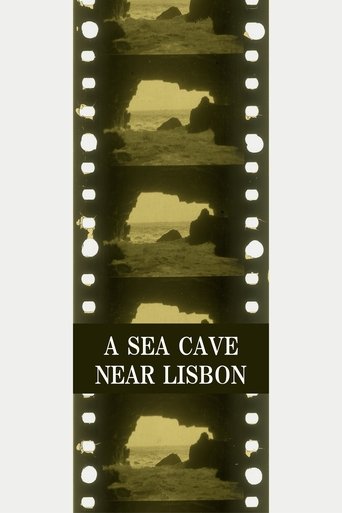
Henry Short appears to be an extremely obscure figure from the earliest days of cinema, with virtually no documented biographical information available in film history records. The only known credit attributed to him is the direction of 'A Sea Cave Near Lisbon' in 1896, placing him among the very first filmmakers in history. Given the extremely limited filmography and lack of historical documentation, it's possible this was a pseudonym, a misattribution, or a filmmaker whose work has been largely lost to time. The 1896 date places him squarely in the era of motion pictures, contemporaneous with the Lumière brothers in France and Edison's work in America. Without additional records or surviving films, his complete career arc and personal history remain unknown to film historians. His single known credit suggests he may have been an early experimenter with the new medium of cinema, possibly working in or near Lisbon, Portugal.
The Craft
Behind the Camera
Given the era (1896), likely employed static camera positions typical of early cinema, focusing on documentary-style actuality footage rather than narrative storytelling
Milestones
- Directed 'A Sea Cave Near Lisbon' (1896)
Best Known For
Must-See Films
Why They Matter
Impact on Culture
Henry Short's cultural impact is impossible to assess due to the lack of surviving work and historical documentation. As a filmmaker from 1896, if his work was authentic, he would have been part of the very first generation of motion picture pioneers, contributing to the birth of cinema as an art form and medium of expression.
Lasting Legacy
The legacy of Henry Short remains largely undocumented, with only a single film credit to his name. If 'A Sea Cave Near Lisbon' was indeed produced, it would represent one of the earliest motion pictures ever created, placing him among cinema's true pioneers. However, the lack of surviving work or detailed records means his contribution to film history, if any, remains largely unknown to modern scholars and enthusiasts.
Who They Inspired
Due to the absence of documented information and surviving films, Henry Short's influence on subsequent filmmakers cannot be determined. Filmmakers from the 1896 period who did leave documented work, such as the Lumière brothers and Georges Méliès, established foundational techniques that influenced generations, but Short's specific contributions remain unclear.
Off Screen
No personal information about Henry Short has been documented in historical film records. The extreme scarcity of information about this filmmaker suggests they may have been active only briefly during cinema's earliest experimental phase.
Did You Know?
- Henry Short is
- His only known film credit is from 1896, making him contemporary with cinema's absolute pioneers
- No surviving copies of 'A Sea Cave Near Lisbon' are known to exist
- The lack of biographical information is typical of many early filmmakers who worked before cinema was recognized as a serious art form
- The film's location (Lisbon) suggests he may have been Portuguese or working in Portugal
- 1896 was only the second year of commercial cinema exhibition worldwide
Frequently Asked Questions
Who was Henry Short?
Extremely obscure early cinema on YTB.my.' Very little historical information exists about this filmmaker, making him.
What films is Henry Short best known for?
Titles linked here include A Sea Cave Near Lisbon (1896).
When was Henry Short born and when did he die?
The birth and death dates of Henry Short are unknown. The lack of biographical information is typical of many early filmmakers who worked during cinema's experimental phase before proper record-keeping was established.
What awards did Henry Short win?
Henry Short did not receive any known awards or honors. The formal award systems for cinema, including the Academy Awards, would not be established for decades after his brief period of activity in 1896.
What was Henry Short's directing style?
While specific details about Henry Short's directing style are unknown, filmmakers from 1896 typically used static cameras and focused on actuality footage rather than narrative storytelling. His film's title suggests it may have been a documentary-style short capturing a natural location.