Arthur von Gerlach
Director
Born: February 17, 1876 in Berlin, Germany Died: August 3, 1925 Active: 1922-1925
Films
2 films
About Arthur von Gerlach
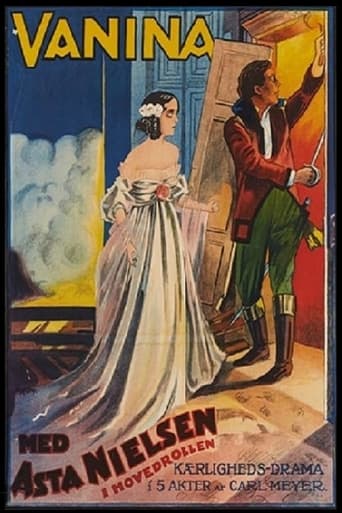
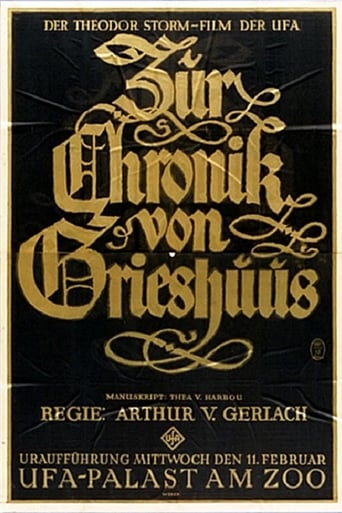
German film director active during the silent era, best German Expressionist cinema. Born in 1876, he began his film career relatively late in life, making his directorial debut with 'Vanina' in 1922 at the age of 46. His most acclaimed work, 'The Chronicles of the Gray House' (1925), was an adaptation of Theodor Storm's novel and showcased his mastery of visual storytelling and atmospheric composition. Von Gerlach was part of the vibrant German film scene of the 1920s, working alongside other directors of the era. His films were characterized by their psychological depth, visual symbolism, and innovative use of shadow and light. Unfortunately, his promising career was cut short when he died in 1925, shortly after completing his second feature film. Despite his brief filmography, von Gerlach's work has been recognized by film historians as an important contribution to German silent cinema and the broader Expressionist movement.
The Craft
Behind the Camera
Arthur von Gerlach's directing style was heavily influenced by German Expressionism, characterized by dramatic use of lighting, shadow play, and visual symbolism. He employed innovative camera angles and composition to create psychological depth and emotional intensity in his films. His approach emphasized mood and atmosphere over straightforward narrative, using visual elements to convey characters' inner states. Von Gerlach demonstrated particular skill in adapting literary works to cinema, maintaining the psychological complexity of source material while utilizing cinematic techniques unique to the silent era.
Milestones
- Directed 'Vanina' (1922)
- Directed 'The Chronicles of the Gray House' (1925)
- Contributed to German Expressionist cinema
- Adapted classic literature to film
Best Known For
Must-See Films
Accolades
Special Recognition
- Recognized as an important contributor to German Expressionist cinema
- Posthumous recognition in film history retrospectives
Working Relationships
Worked Often With
Studios
Why They Matter
Impact on Culture
Arthur von Gerlach contributed to the German Expressionist film movement that significantly influenced international cinema, particularly in the areas of visual style and psychological storytelling. His work, though limited in quantity, exemplified the artistic ambitions of German cinema in the 1920s, a period often considered the golden age of German film. 'The Chronicles of the Gray House' in particular demonstrated how literary adaptations could be transformed through cinematic techniques, influencing subsequent approaches to literary filmmaking. His visual style and atmospheric direction contributed to the development of film noir and psychological thriller genres that would emerge in later decades.
Lasting Legacy
Arthur von Gerlach's legacy lies primarily in his contribution to German Expressionist cinema and his demonstration of how literary works could be successfully adapted to the silent film medium. Though his career was brief, his films have been studied by film historians as examples of the artistic sophistication achieved in German cinema during the 1920s. His work serves as an important reference point for understanding the evolution of visual storytelling techniques and the psychological depth that could be achieved in silent cinema. Von Gerlach represents the many talented directors of the era whose careers were cut short by historical circumstances or early death, leaving behind a small but significant body of work.
Who They Inspired
Von Gerlach's visual techniques and approach to psychological storytelling influenced subsequent generations of filmmakers, particularly those working in film noir and psychological thriller genres. His adaptation methods demonstrated how classic literature could be reimagined through cinematic language, providing a model for future directors tackling literary adaptations. The atmospheric qualities and visual symbolism in his films contributed to the broader influence of German Expressionism on international cinema, particularly in Hollywood during the 1930s and 1940s when many German filmmakers emigrated to the United States.
Off Screen
Arthur von Gerlach came from an aristocratic German family, as indicated by the 'von' in his name. He entered the film industry relatively late in life after pursuing other interests and careers. Details about his personal life remain scarce due to the limited documentation of his career and the historical period. His early death at age 49 prevented him from leaving behind extensive personal records or interviews that might have provided more insight into his life beyond his brief filmmaking career.
Education
Limited information available about his formal education, though his aristocratic background suggests he received a comprehensive education typical of his social class in late 19th century Germany.
Did You Know?
- Began his directing career at age 46, making him a latecomer to filmmaking
- His entire directorial output consisted of only two feature films
- Died in 1925, the same year his most famous film was released
- Came from an aristocratic German background, as indicated by the 'von' in his name
- His film 'The Chronicles of the Gray House' was based on a novel by Theodor Storm
- Part of the German Expressionist movement that included directors like F.W. Murnau and Fritz Lang
- His active years covered only three years but produced two significant works of German cinema
- His films are studied today as examples of literary adaptation in silent cinema
In Their Own Words
While specific quotes from Arthur von Gerlach are not widely documented, his films themselves serve as his lasting statement on the power of visual storytelling and psychological depth in cinema.
Frequently Asked Questions
Who was Arthur von Gerlach?
German on YTB.my. He directed only two feature films, 'Vanina' (1922) and 'The Chronicles of the Gray House' (1925), before his early death at age 49.
What films is Arthur von Gerlach best known for?
Titles linked here include Vanina (1922), The Chronicles of the Gray House (1925).
When was Arthur von Gerlach born and when did he die?
Born February 17, 1876; died August 3, 1925.
What awards did Arthur von Gerlach win?
There are no documented awards that Arthur von Gerlach received during his lifetime, as his career was very brief and occurred during the early years of cinema when formal award systems were not yet established. However, his work has been posthumously recognized by film historians as significant contributions to German Expressionist cinema.
What was Arthur von Gerlach's directing style?
Arthur von Gerlach's directing style was characterized by German Expressionist techniques, including dramatic use of lighting, shadow play, and visual symbolism. He emphasized mood and atmosphere through innovative camera work and composition, creating psychological depth and emotional intensity in his silent films.