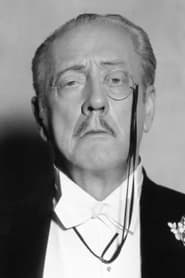
Lorimer Johnston
Actor
Born: August 7, 1858 in Mays Landing, New Jersey, USA Died: November 20, 1941 Active: 1911-1929
Films
1 film
About Lorimer Johnston
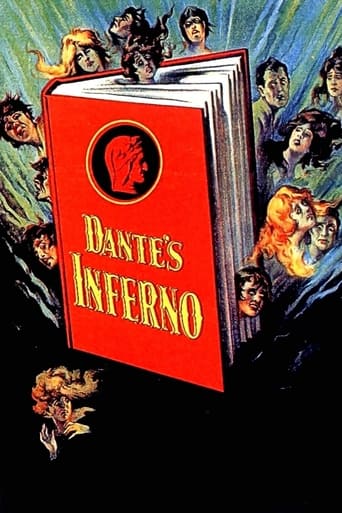
Figure in American silent cinema, serving as both actor and director during the formative years of Hollywood. Born in New Jersey in 1858, he began his film career in the early 1910s as an actor before transitioning to directing around 1913. Johnston became particularly known for his work on western films, directing numerous shorts and features for Universal and other studios. His most notable acting appearance came in 1924's spectacular adaptation of Dante's Inferno, where he played a supporting role in this ambitious production. Throughout his career, Johnston demonstrated versatility across genres, though westerns remained his specialty. He continued working through the 1920s before retiring as the sound era began. His contributions to early American cinema helped establish many conventions of the western genre and demonstrated the multi-talented nature of early filmmakers who often wore multiple hats.
The Craft
On Screen
Johnston's acting style was typical of the silent era, characterized by exaggerated gestures and facial expressions to convey emotion without dialogue. As a character actor, he often played authority figures, villains, or supporting roles that required gravitas and stage presence. His theatrical background influenced his screen performances, which were more dramatic than naturalistic by modern standards.
Milestones
- Transitioned from acting to directing in 1913
- Directed over 70 silent films
- Specialized in western genre films
- Appeared in Dante's Inferno (1924)
- Worked extensively with Universal Studios
- Pioneered early western film conventions
- Directed notable serial films
- Mentored early Hollywood talent
Best Known For
Iconic Roles
Must-See Films
Accolades
Special Recognition
- Pioneer of American Western Cinema
Working Relationships
Worked Often With
Studios
Why They Matter
Impact on Culture
Lorimer Johnston contributed significantly to the development of the American western film genre during its formative years. His efficient directing style helped establish many of the conventions that would define westerns for decades, including the emphasis on clear moral storytelling, action sequences, and the romanticized portrayal of the American West. His work during the silent era helped create the visual language of cinema that would influence countless filmmakers who followed.
Lasting Legacy
Though not as widely remembered as some of his contemporaries, Johnston's legacy lives on through his substantial body of work in silent westerns. His films serve as important historical documents of early American cinema and the development of the western genre. The efficiency and clarity of his storytelling techniques influenced subsequent generations of western directors, and his career exemplifies the versatile nature of early Hollywood filmmakers who often served multiple roles in production.
Who They Inspired
Johnston influenced the development of western film conventions through his prolific output and consistent approach to storytelling. His work with cowboy stars like Art Acord and Jack Hoxie helped establish the archetype of the western hero in popular culture. His directing techniques, particularly his use of outdoor locations and action choreography, became standard practices in the western genre and influenced directors who followed in both silent and sound eras.
Off Screen
Lorimer Johnston married actress Caroline Duer in 1911, who frequently appeared in his films as an actress. Their partnership was both personal and professional, representing a common pattern in early Hollywood where couples worked together on film projects. Johnston was known as a dedicated family man who maintained a relatively private personal life despite his public career in the burgeoning film industry. He retired from filmmaking in the late 1920s and lived his final years in California.
Education
Limited formal education was typical for his generation of early filmmakers; he learned his craft through practical experience in the theater and early film industry
Family
- Caroline Duer (1911-1941)
Did You Know?
- Born in the same year as the first commercially successful motion picture projector was patented
- Began his film career at age 53, relatively late for early film pioneers
- Directed both feature films and serials during his career
- His wife Caroline Duer appeared in many of his films
- Worked during the transition from short films to feature-length productions
- Survived the transition from New Jersey to Hollywood as the film industry moved west
- His active years covered the entire silent era
- Dante's Inferno (1924) was
- Often used the same crew and actors across multiple productions
- Retired just as sound films were becoming dominant in Hollywood
In Their Own Words
The western is more than just a genre; it's the American story told through the lens of the frontier
In silent films, the camera must speak where words cannot
Every frame should tell a story, every gesture should mean something
Frequently Asked Questions
Who was Lorimer Johnston?
American actor and on YTB.my. He was active from 1911 through the late 1920s, directing over 70 films and establishing many conventions of the western genre.
What films is Lorimer Johnston best known for?
Titles linked here include Dante's Inferno (1924), The Lone Star Ranger (1923).
When was Lorimer Johnston born and when did he die?
Born August 7, 1858; died November 20, 1941.
What awards did Lorimer Johnston win?
During his career in the silent era, formal awards for filmmakers were not yet established as they would be later in cinema history. His recognition came through his prolific output and contribution to developing the western genre rather than through formal awards.
What was Lorimer Johnston's directing style?
Johnston's directing style was efficient and workmanlike, emphasizing clear storytelling and action sequences. He was particularly skilled at outdoor filming, action choreography, and creating the visual language of westerns that would influence the genre for decades.