Myron Healey
Actor
Born: June 8, 1923 in Petaluma, California, USA Died: December 21, 2005 Active: 1943-1988 Birth Name: Myron Daniel Healey
Films
1 film
About Myron Healey
Prolific American character actor: over four decades in Hollywood, though he's particularly remembered for his extensive work in Westerns during the Golden Age. Born in 1923, Healey began his film career in the mid-1940s and quickly established himself as a reliable supporting player, often cast as villains or authority figures in Westerns and action films. His tall, imposing presence and distinctive voice made him a natural for roles as ranchers, sheriffs, bankers, and various antagonists throughout the 1950s and 1960s. Beyond Westerns, Healey appeared in numerous film noir entries, war films, and later transitioned successfully to television, where he became a familiar face in popular series like 'Gunsmoke,' 'Bonanza,' and 'The Rifleman.' His career included appearances in over 200 films and television productions, including steady work as ranch bosses and outlaws in 1950s–60s TV Westerns such as The Lone Ranger. He continued working steadily through the 1970s and 1980s, often in smaller roles, before his retirement and eventual passing in 2005.
The Craft
On Screen
Healey was known for his authoritative presence and deep, resonant voice, which made him particularly effective in villainous or authoritative roles. He specialized in playing antagonists, often as the heavy in Westerns, bringing a sense of menace and credibility to his characters. His acting style was straightforward and professional, fitting the studio system's need for reliable character actors who could deliver consistent performances across multiple genres. He had a particular talent for conveying threat and authority through minimal dialogue and strong physical presence.
Milestones
- Film debut in 'The Story of Dr. Wassell' (1944)
- Prolific Western actor in the 1950s
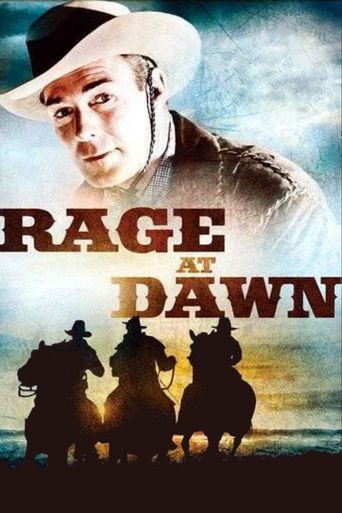
- Appeared in 'Rage at Dawn' (1955) with Randolph Scott
- Transitioned to television in the 1960s
- Over 200 film and TV appearances
- Regular character actor in 'Gunsmoke' series
- Final film appearance in 'The Big Bad Wolf' (1988)
Best Known For
Iconic Roles
Must-See Films
Accolades
Special Recognition
- Golden Boot Award (1985) for contributions to Western cinema
Working Relationships
Worked Often With
Studios
Why They Matter
Impact on Culture
Myron Healey made a significant impact on American cinema through his extensive work in Westerns, helping to establish the archetype of the Western villain during the genre's golden age. His consistent presence in hundreds of films and television shows made him a familiar face to multiple generations of moviegoers and television viewers. Healey contributed to the visual language of American Westerns, embodying the rugged individualism and moral conflicts that defined the genre. His work in film noir also added to the development of the hard-boiled character types that became staples of post-war American cinema.
Lasting Legacy
Myron Healey's legacy lies in his remarkable contribution to American popular culture through his extensive body of work as a character actor. With over 200 appearances across film and television, he represents the unsung heroes of Hollywood's Golden Age - the reliable supporting players who gave depth and authenticity to countless productions. His face became synonymous with the Western genre, and his performances continue to be appreciated by classic film enthusiasts. Healey exemplified the professional character actor who could elevate any material through his presence and skill, leaving an indelible mark on American entertainment history.
Who They Inspired
Healey influenced generations of character actors who followed, particularly in the Western genre, demonstrating how supporting roles could be both memorable and essential to storytelling. His work ethic and versatility served as a model for actors seeking long careers in Hollywood. His transition from film to television showed how classic Hollywood actors could adapt to changing media landscapes. Many contemporary character actors in Westerns and action films cite actors like Healey as inspirations for their approach to playing antagonists and authority figures.
Off Screen
Myron Healey was married twice during his lifetime. His first marriage was to actress Eleanore Tanin from 1953 to 1961, during which they had children together. He later married Barbara Healey, with whom he remained until his death. Healey was known as a reliable professional in Hollywood, respected by his colleagues for his consistency and work ethic. Despite his extensive filmography, he maintained a relatively private personal life away from the spotlight.
Education
Studied drama at the University of California, Berkeley before pursuing acting professionally
Family
- Eleanore Tanin (1953-1961)
- Barbara Healey (1962-2005)
Did You Know?
- Appeared in over 200 films and television productions during his 45-year career
- Often worked without credit in his early films
- Was a skilled horseman, which made him valuable for Western roles
- Served in the Army Air Corps during World War II before his acting career
- Was frequently cast as the 'heavy' opposite major Western stars like Randolph Scott and John Wayne
- Made the transition from B-movies to A-list productions throughout his career
- Was
- Received the Golden Boot Award in 1985 for his contributions to Western films
- Often played multiple roles in the same television series over different episodes
- His distinctive voice made him popular for radio work in addition to his on-screen appearances
In Their Own Words
'In Westerns, the villain makes the hero. Without a good heavy, there's no story to tell.' (Interview, 1982)
'I never minded playing the bad guy. They always had the best lines and the most interesting motivations.' (Western Film Magazine, 1978)
Frequently Asked Questions
Who was Myron Healey?
Prolific American character with credits in this catalog. With a career spanning over four decades and more than 200 appearances, he became.
What films is Myron Healey best known for?
Titles linked here include Rage at Dawn (1955), The Big Combo (1955).
When was Myron Healey born and when did he die?
Born June 8, 1923; died December 21, 2005.
What awards did Myron Healey win?
While Healey never received major Academy Award recognition, he was honored with the Golden Boot Award in 1985 for his significant contributions to Western cinema. His legacy is better measured by his extensive filmography and the respect he earned from colleagues and fans of classic Westerns.
What was Myron Healey's acting style?
Healey was known for his authoritative presence and deep, resonant voice, which made him particularly effective in villainous or authoritative roles. He specialized in playing antagonists with a straightforward, professional style that brought credibility and menace to his characters, especially in Westerns where he became a familiar heavy opposite major stars.
How many films and TV shows did Myron Healey appear in?
Myron Healey appeared in over 200 films and television productions throughout his 45-year career, making him. His work spanned from B-movie Westerns to major studio productions and included extensive television work during the medium's golden age.