Viola Savoy
Actor
Born: December 12, 1899 in New York City, New York, USA Died: August 17, 1934 Active: 1915-1915
Films
1 film
About Viola Savoy
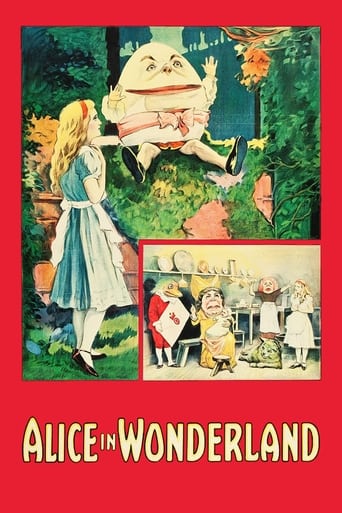
Viola Savoy worked on one surviving credit: Alice in Wonderland (1915). Savoy's performance as Alice required her to navigate the fantastical world of Wonderland through the exaggerated physical acting style typical of the silent era, conveying wonder, confusion, and courage primarily through facial expressions and body language. Despite her compelling performance and the film's ambitious scope, Savoy's film career appears to have been exceptionally brief, with 'Alice in Wonderland' being her only known credited film role. The young actress embodied the innocence and curiosity that defined Carroll's protagonist, bringing the character to life for early cinema audiences. Her contribution to film history, while limited in scope, represents an important milestone in the adaptation of classic literature to the screen.
The Craft
On Screen
Employed the dramatic, exaggerated physical acting style characteristic of the silent era, using expressive facial gestures and body movements to convey emotion and narrative in the absence of synchronized sound
Milestones
- Starred as Alice in the first feature-length American adaptation of 'Alice in Wonderland' (1915)
- Worked with the Thanhouser Company
- Represented early cinema's efforts to adapt classic literature
Best Known For
Iconic Roles
Must-See Films
Accolades
Special Recognition
- Recognized as an early film pioneer in literary adaptations
Working Relationships
Worked Often With
Studios
Why They Matter
Impact on Culture
Viola Savoy's portrayal of Alice in the 1915 film adaptation represents an important milestone in cinematic history as one of the first feature-length attempts to bring Lewis Carroll's beloved fantasy world to the silver screen. Her performance helped establish the visual template for how Alice would be portrayed in subsequent adaptations, emphasizing innocence, wonder, and the journey of discovery that defines the character. The film itself, while now largely lost, was ambitious for its time, featuring elaborate costumes and special effects that pushed the boundaries of what was possible in early cinema. Savoy's contribution to this effort helped demonstrate the potential of film as a medium for adapting classic literature, influencing countless future adaptations of Carroll's work.
Lasting Legacy
Viola Savoy's legacy in film history is primarily defined by her role as the first Alice in a feature-length American film adaptation of 'Alice in Wonderland.' Though her career was brief, her performance represents an important chapter in the evolution of literary adaptations in cinema. The 1915 Thanhouser production stands as proof of early American filmmakers' ambition and creativity, with Savoy at its center as the embodiment of one of literature's most iconic characters. Her work continues to be studied by film historians interested in the transition of literary classics to the screen and the development of acting techniques in the silent era.
Who They Inspired
While Viola Savoy's direct influence on other performers is difficult to trace due to her brief career, her portrayal of Alice established early conventions for how the character would be interpreted on screen. Her performance demonstrated how the fantastical elements of Carroll's work could be translated through the visual medium of film, influencing subsequent adaptations. The physical expressiveness required in her performance exemplified the acting techniques that would dominate silent cinema, serving as an example for other actors working in the medium during that transitional period in film history.
Off Screen
Viola Savoy was born in New York City in 1899 and led a relatively private life away from the entertainment industry after her brief film career. She married and had children, choosing to focus on family life rather than pursuing further opportunities in the burgeoning film industry. Her early death at age 34 in 1934 cut short what might have been a longer life, leaving behind a small but significant legacy in early cinema history.
Education
Unknown, likely educated in New York City area
Family
- Unknown (married after film career)
Did You Know?
- The 1915 'Alice in Wonderland' was one of the first feature-length films produced by the Thanhouser Company
- Most of the film is now considered lost, with only fragments surviving in film archives
- Savoy was approximately 15-16 years old when she played Alice
- The film was released in seven reels, making it quite lengthy for its time
- Thanhouser invested heavily in the production, creating elaborate costumes and sets
- The film was one of several adaptations of 'Alice in Wonderland' produced during the silent era
- Savoy's performance required her to interact with various fantasy creatures played by actors in heavy makeup and costumes
- The film included innovative special effects for the time, including size-changing sequences
- Despite its ambitious production, the film was not a major commercial success
- Savoy retired from acting shortly after this film, making it her only known screen appearance
In Their Own Words
No documented quotes from Viola Savoy survive from her brief time in the public eye
Frequently Asked Questions
Who was Viola Savoy?
American actress from the silent film era, best known for starring as Alice in the 1915 feature film adaptation of 'Alice in Wonderland' produced by the Thanhouser Company. Her career was exceptionally brief, with this role being her only known film appearance before she retired from acting.
What films is Viola Savoy best known for?
Titles linked here include Alice in Wonderland (1915).
When was Viola Savoy born and when did she die?
Born December 12, 1899; died August 17, 1934.
What awards did Viola Savoy win?
Viola Savoy did not receive any formal awards or nominations during her brief film career in 1915, as the modern award system for films had not yet been established. The Academy Awards would not be created until 1929, well after her retirement from acting.
What was Viola Savoy's acting style?
Viola Savoy employed the dramatic, physically expressive acting style typical of the silent era, using exaggerated facial expressions and body movements to convey emotion and narrative. Her performance as Alice required her to communicate wonder, confusion, and courage through visual means alone, as synchronized sound technology had not yet been developed.
Why did Viola Savoy's career end so quickly?
While specific reasons are not definitively documented, it was common for actors in the early film industry to have brief careers, especially young performers who might have chosen to pursue marriage and family life instead. Savoy's retirement after just one film suggests she may have been more interested in a private life than a career in the nascent film industry.
Is the 1915 'Alice in Wonderland' film still available to watch?
Unfortunately, most of the 1915 'Alice in Wonderland' film starring Viola Savoy is considered lost, with only fragments surviving in various film archives. This was common for silent films, as the unstable nitrate film stock used during that era deteriorated over time, and many films were not preserved for posterity.