Films
1 film
About Albrecht Schmidt
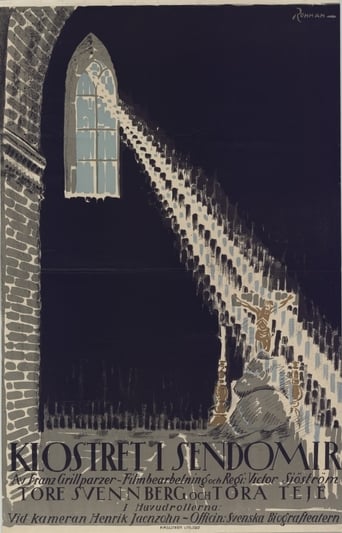
The 1920 film The Monastery of Sendomir is the only title linked here for Albrecht Schmidt. His known filmography is extremely limited, with his only documented credit being in the 1920 German silent drama 'The Monastery of Sendomir' (Das Kloster von Sendomir). This film was based on a story by Austrian playwright Franz Grillparzer and directed by Rudolf Meinert. Schmidt's career appears to have been brief, spanning only the year 1920, which was not uncommon for many character actors of the silent era who appeared in only a handful of productions. Like many actors of his generation, his career was likely impacted by the transition to sound films in the late 1920s and early 1930s. Very little documentation survives about his personal life or other potential stage work, which was common for supporting actors of this period whose primary recognition came through their film appearances rather than extensive biographical documentation.
The Craft
Milestones
- Appeared in 'The Monastery of Sendomir' (1920)
Best Known For
Must-See Films
Why They Matter
Impact on Culture
Albrecht Schmidt's contribution to cinema, while minimal in scope, represents the collective work of countless character actors who formed the backbone of silent film productions. His appearance in 'The Monastery of Sendomir' places him within the important context of German silent cinema during its golden age, a period that produced groundbreaking works in cinematic art. Though his role was likely small, he participated in the adaptation of classic literature to film, helping to establish narrative techniques that would influence cinema for decades to come. The preservation of his name in film credits shows the collaborative nature of filmmaking, where even minor contributors played essential roles in creating enduring works of art.
Lasting Legacy
Albrecht Schmidt's legacy is primarily that of a representative figure from the vast ensemble of silent era actors whose individual stories have largely been lost to time. His documented appearance in 'The Monastery of Sendomir' ensures his place in film history, however minor, as a participant in one of Germany's notable silent film productions. His career exemplifies the transient nature of early film acting, where many performers appeared in only a handful of films before disappearing from historical records. The very existence of his name in contemporary film databases demonstrates the ongoing efforts of film historians and archivists to preserve even the most obscure contributors to cinema's foundational years.
Who They Inspired
Given the limited documentation of Albrecht Schmidt's career and the brevity of his known filmography, there is no available information about his influence on other actors or filmmakers. His role appears to have been that of a journeyman actor typical of the silent era, whose work supported the main narratives without achieving lasting individual recognition or mentorship status within the industry.
Off Screen
Very little information is available about Albrecht Schmidt's personal life, which is typical for many supporting actors from the silent era whose biographical details were not extensively documented.
Did You Know?
- Albrecht Schmidt's entire known filmography consists of just one film from 1920
- His only documented film appearance was in a German adaptation of an Austrian literary work
- The film he appeared in, 'The Monastery of Sendomir,' was based on a story by Franz Grillparzer
- His active years covered only a single year during the golden age of German silent cinema
- Like many supporting actors of his era, biographical information about him is extremely limited
- He worked during the same period as German cinema legends like Fritz Lang and F.W. Murnau
- His only known film was directed by Rudolf Meinert, a significant figure in early German film production
Frequently Asked Questions
Who was Albrecht Schmidt?
German with credits in this catalog.' His career was extremely brief, spanning only the year 1920, which was not uncommon for many character actors of early cinema.
What films is Albrecht Schmidt best known for?
Titles linked here include The Monastery of Sendomir (1920).
When was Albrecht Schmidt born and when did he die?
Unfortunately, specific birth and death dates for Albrecht Schmidt are not available in historical records, which is typical for many supporting actors from the silent era whose biographical information was not extensively documented.
What awards did Albrecht Schmidt win?
There are no documented awards or nominations for Albrecht Schmidt, which is consistent with his status as a minor character actor whose career was limited to a single film appearance in 1920.
What was Albrecht Schmidt's acting style?
Specific details about Albrecht Schmidt's acting style are not documented in available historical records. As a silent era actor, he would have employed the exaggerated physical expressions and gestures characteristic of the period, but no detailed critiques of his performance style survive.