Films
1 film
About Georgiy Stabovoy
Soviet film director active during the silent era of Russian cinema. His career appears to have been exceptionally brief, with his only known directorial credit being the 1927 film 'Two Days.' This places him among the many experimental filmmakers working in the Soviet Union during the 1920s, a period that saw tremendous innovation in cinematic techniques and storytelling. Unfortunately, very little documentation survives about his life, training, or broader career trajectory. The fact that he directed only one known film suggests he may have been part of the vast pool of filmmakers who emerged during this fertile period but did not continue in the industry. His work represents a small piece of the early Soviet cinema, which included directors like Eisenstein, Pudovkin, and Vertov. The disappearance of his career after 1927 may be related to the political and cultural shifts that occurred in Soviet cinema during the late 1920s and early 1930s.
The Craft
Behind the Camera
No detailed documentation of his directing style survives, though as a Soviet filmmaker in 1927, he likely worked within the experimental and revolutionary traditions of early Soviet cinema, possibly influenced by montage theory and the cinematic innovations of his contemporaries.
Milestones
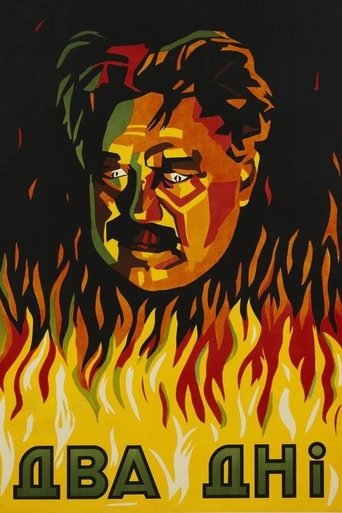
- Directed the silent film 'Two Days' (1927)
Best Known For
Must-See Films
Working Relationships
Studios
Why They Matter
Impact on Culture
Georgiy Stabovoy's cultural impact is difficult to assess due to the extreme scarcity of information about his work and career. His single known film 'Two Days' (1927) represents one small contribution to the remarkable explosion of cinematic creativity in the Soviet Union during the 1920s. This period was revolutionary in film history, with Soviet filmmakers new techniques in editing, cinematography, and narrative structure that would influence cinema worldwide. While major directors like Eisenstein and Pudovkin are well-documented, countless other filmmakers like Stabovoy participated in this creative flowering, their contributions now largely forgotten or lost.
Lasting Legacy
The legacy of Georgiy Stabovoy is primarily that of a representative figure from the vast pool of filmmakers who worked during the golden age of Soviet silent cinema. His brief career and single film credit highlight how many talented individuals participated in early cinema but whose names have faded from historical record. His story serves as a reminder of the thousands of films and filmmakers from the silent era whose work has been lost to time, war, or the simple passage of years. While he may not have achieved lasting fame, his participation in Soviet cinema of 1927 places him within.
Who They Inspired
Due to the lack of surviving information about Georgiy Stabovoy's work and career, his influence on other filmmakers cannot be determined. It's possible that as part of the Soviet film community of the 1920s, he was influenced by the revolutionary cinematic theories being developed by his more famous contemporaries, and may have in turn contributed to the creative exchange that defined this period.
Off Screen
No personal information about Georgiy Stabovoy is available in existing film archives or historical records. Like many minor figures from early Soviet cinema, his biographical details have been lost to time.
Did You Know?
- Only known to have directed one film in his entire career
- His film 'Two Days' was made during the peak of Soviet silent cinema innovation
- His career appears to have lasted only a single year - 1927
- Like many minor Soviet filmmakers, virtually no biographical information survives
- His name is barely mentioned in major film history references
- Represents one of the countless 'lost' figures from early cinema history
- The film 'Two Days' may itself be lost, as is common with many Soviet silent films
Frequently Asked Questions
Who was Georgiy Stabovoy?
Soviet on YTB.my.' His career appears to have been extremely brief, lasting just one year, and very little biographical information about him survives today.
What films is Georgiy Stabovoy best known for?
Titles linked here include Two Days (1927).
When was Georgiy Stabovoy born and when did he die?
Unfortunately, no birth or death dates for Georgiy Stabovoy are available in existing historical records. Like many minor figures from early Soviet cinema, his biographical details have been lost to time.
What awards did Georgiy Stabovoy win?
There are no records of Georgiy Stabovoy receiving any awards or nominations for his work. Given his brief career and the limited documentation of his single film, any recognition he may have received has not been preserved in film history.
What was Georgiy Stabovoy's directing style?
No detailed information about Georgiy Stabovoy's directing style survives. As a Soviet filmmaker in 1927, he likely worked within the experimental traditions of early Soviet cinema, possibly influenced by the montage techniques and revolutionary approaches being developed by his contemporaries like Eisenstein and Pudovkin.