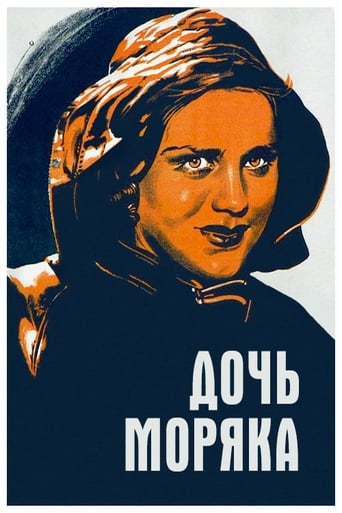
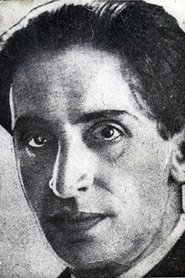
Heorhiy Tasin
Director
Born: 1895 in Ukraine, Russian Empire Died: 1956 Active: 1930s-1940s Birth Name: Heorhiy/Georgiy Tasin
Films
1 film
About Heorhiy Tasin
Heorhiy Tasin (also known as Georgiy Tasin) was a prominent Soviet Ukrainian film director who emerged during the golden age of Soviet cinema in the 1930s and early 1940s. He began his career in the Ukrainian film industry, working at the Kyiv Film Studio (later known as Dovzhenko Film Studio) during a period of significant artistic development in Soviet Ukraine. Tasin's directorial work reflected the socialist realist aesthetic mandated by Soviet cultural policy while also incorporating elements of Ukrainian cultural identity and storytelling traditions. His most notable film, 'Seaman's Daughter' (1941), was released just before the Nazi invasion of the Soviet Union, which dramatically altered the course of Soviet filmmaking. Like many artists of his generation, Tasin's career was significantly impacted by World War II and the subsequent political purges that affected the Ukrainian cultural sphere. His work, though limited in quantity due to the turbulent historical period, represents an important chapter in the development of Ukrainian cinema within the Soviet system.
The Craft
Behind the Camera
Socialist realist approach with Ukrainian cultural elements, focusing on working-class protagonists and collective values
Milestones
- Director of 'Seaman's Daughter' (1941)
- Work at Kyiv Film Studio
- Contributions to Soviet Ukrainian cinema
- Pre-war film production in Ukraine
Best Known For
Must-See Films
Accolades
Special Recognition
- Recognition in Soviet Ukrainian film history
Working Relationships
Worked Often With
Studios
Why They Matter
Impact on Culture
Heorhiy Tasin represents an important but often overlooked figure in the development of Soviet Ukrainian cinema during a critical historical period. His work contributed to the establishment of a distinct Ukrainian film identity within the broader Soviet cinematic framework, even while operating under the constraints of socialist realism. The timing of his most famous work, released just before the devastation of World War II, places him at a pivotal moment when Ukrainian cinema was developing its voice before being disrupted by war and political repression. His films, though few in surviving record, are part of the foundation upon which post-war Ukrainian cinema was rebuilt.
Lasting Legacy
Tasin's legacy is primarily preserved through film historical records and the documentation of pre-war Soviet Ukrainian cinema. While his complete filmography may not have survived the ravages of World War II and the subsequent Soviet archival policies, his contribution to Ukrainian film culture is recognized by cinema historians studying this period. His work serves as an example of how Ukrainian filmmakers navigated the complex requirements of Soviet cultural policy while attempting to maintain cultural specificity.
Who They Inspired
As a director working in the Soviet Ukrainian system, Tasin was part of a generation that established the professional standards and aesthetic approaches that would influence subsequent Ukrainian filmmakers. His work during the pre-war period contributed to the development of cinema infrastructure and talent pools in Ukraine that would prove crucial for post-war reconstruction of the film industry.
Off Screen
Limited information is available about Tasin's personal life, which was common for many Soviet-era filmmakers whose private details were often not extensively documented. Like many artists working in the Soviet system during the 1930s and 1940s, his life was likely deeply affected by the political upheavals of the time, including Stalin's purges and World War II.
Education
Likely educated in Soviet film institutions, though specific details are not well documented in available sources
Did You Know?
- His most famous film 'Seaman's Daughter' was released in 1941, the same year that Nazi Germany invaded the Soviet Union
- The original Russian title of 'Seaman's Daughter' was 'Моряшка' (Moryashka)
- He worked during
- The Kyiv Film Studio where he worked was later renamed after famous Ukrainian director Alexander Dovzhenko
- Like many Soviet-era filmmakers, detailed biographical information about Tasin is limited in Western sources
- His active years covered the transition from silent films to talkies in Soviet cinema
- Ukrainian filmmakers of his generation often had to navigate between Soviet cultural mandates and Ukrainian cultural expression
Frequently Asked Questions
Who was Heorhiy Tasin?
Soviet Ukrainian on YTB.my. He worked at the Kyiv Film Studio and contributed to the development of Ukrainian cinema during the pre-war Soviet period.
What films is Heorhiy Tasin best known for?
Titles linked here include Seaman's Daughter (1941).
When was Heorhiy Tasin born and when did he die?
Born 1895; died 1956.
What awards did Heorhiy Tasin win?
Specific awards for Heorhiy Tasin are not well documented in available sources, which is common for many Soviet-era filmmakers whose recognition may have been primarily institutional rather than through formal awards systems.
What was Heorhiy Tasin's directing style?
Tasin's directing style followed the socialist realist approach mandated by Soviet cultural policy, while incorporating elements of Ukrainian cultural identity. His work focused on working-class protagonists and collective values, typical of Soviet cinema of the era.