Films
2 films
About Albert Van Antwerp
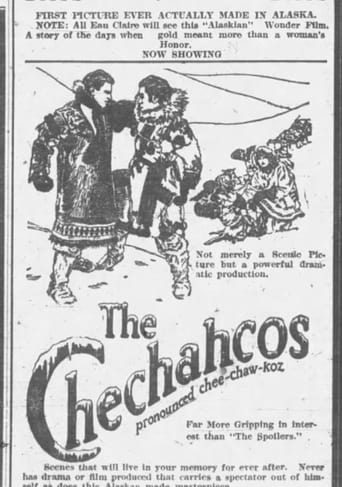
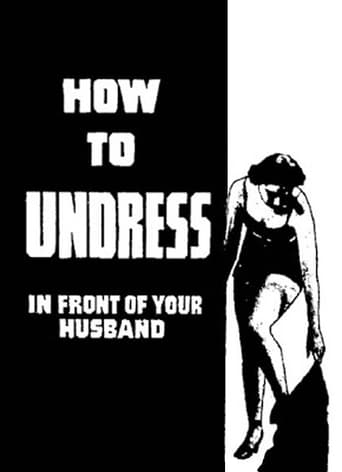
Albert Van Antwerp is credited on a single production — The Chechahcos (1924). His most notable appearance was in 'The Chechahcos' (1924), a historically significant film as it was the first feature-length motion picture produced entirely in Alaska. This silent film, shot on location in the Alaskan wilderness, depicted stories from the gold rush era and showcased Van Antwerp's ability to perform in the dramatic style required by silent cinema. His career continued into the sound era, where he appeared in shorter comedy films such as 'How to Undress in Front of Your Husband' (1937), demonstrating his versatility across different film formats. While he never achieved major stardom, Van Antwerp was part of the supporting cast that helped bring early American cinema to life during its formative years. His filmography, though limited, spans the crucial period when cinema was evolving from silent pictures to 'talkies,' making him a representative figure of actors who adapted to this technological and artistic revolution.
The Craft
On Screen
Van Antwerp's acting style was typical of the silent era, characterized by expressive physical gestures and facial expressions necessary to convey emotion without dialogue. His work in 'The Chechahcos' demonstrated the dramatic intensity required for outdoor adventure films of the period, while his later appearance in comedy shorts suggests he adapted his style to the more naturalistic acting that became prevalent with the advent of sound.
Milestones
- Appeared in 'The Chechahcos' (1924), the first feature film produced entirely in Alaska
- Transitioned successfully from silent films to early sound cinema
- Worked in both feature films and comedy shorts during the 1920s and 1930s
Best Known For
Iconic Roles
Must-See Films
Why They Matter
Impact on Culture
Albert Van Antwerp's contribution to cinema history, while not widely recognized, is significant through his participation in 'The Chechahcos,' a film that represented early attempts to capture regional American stories on film. This movie was part of the broader movement in the 1920s to create films outside the Hollywood system, showcasing local landscapes and stories. His career trajectory from silent films to early sound productions exemplifies the adaptability required of actors during this transitional period in cinema history.
Lasting Legacy
Van Antwerp's legacy is tied to the historical significance of 'The Chechahcos' as an early example of regional American filmmaking. The film itself has been preserved as an important cultural artifact representing Alaska's early film history and the broader American silent era. While Van Antwerp himself did not achieve lasting fame, his work contributes to our understanding of the types of actors who populated American cinema during its formative years.
Who They Inspired
As a supporting actor rather than a star, Albert Van Antwerp's direct influence on other performers is difficult to trace. However, his career represents the journey of many actors who worked during the silent-to-sound transition, adapting their skills to meet the changing demands of the film industry and serving as part of the foundation upon which later generations of actors would build their careers.
Off Screen
Very little documented information is available about Albert Van Antwerp's personal life, which is not uncommon for supporting actors from the silent and early sound era who never achieved major stardom. Like many actors of his generation, his life story remains largely undocumented in film history resources.
Did You Know?
- 'The Chechahcos' (1924) was the first feature film produced entirely in Alaska, making Van Antwerp part of cinema history
- The title 'Chechahcos' comes from the Chinook jargon word for 'newcomers' or 'tenderfeet', referring to gold prospectors
- The film was shot on location in Alaska, requiring actors to work in challenging outdoor conditions typical of the silent era location shoots
- Van Antwerp's active years covered the critical transition period from silent films to sound pictures in the late 1920s
- His appearance in 'How to Undress in Front of Your Husband' (1937) represents the type of comedy short subjects that were popular as supporting features in theaters during the 1930s
- The survival of 'The Chechahcos' as a preserved film ensures that Van Antwerp's work remains accessible to film historians and enthusiasts today
Frequently Asked Questions
Who was Albert Van Antwerp?
American with credits in this catalog. His active years covered the crucial transitional period when cinema evolved from silent pictures to talkies.
What films is Albert Van Antwerp best known for?
Titles linked here include The Chechahcos (1924), How to Undress in Front of Your Husband (1937).
When was Albert Van Antwerp born and when did he die?
Unfortunately, detailed biographical information about Albert Van Antwerp's birth and death dates is not readily available, which is not uncommon for supporting actors from the silent and early sound era who did not achieve major stardom.
What awards did Albert Van Antwerp win?
There are no documented awards or major recognitions for Albert Van Antwerp, which was typical for many supporting actors of his era who worked steadily but did not achieve the level of fame that would garner industry awards.
What was Albert Van Antwerp's acting style?
Van Antwerp's acting style was characteristic of the silent era, emphasizing expressive physical gestures and facial expressions necessary for non-verbal storytelling. His later work in sound films suggests he adapted to the more naturalistic style that became prevalent with the advent of synchronized dialogue.